

Creating Career Path...

Finding Further Careers...

Microbiologist

View this career for different education levels:

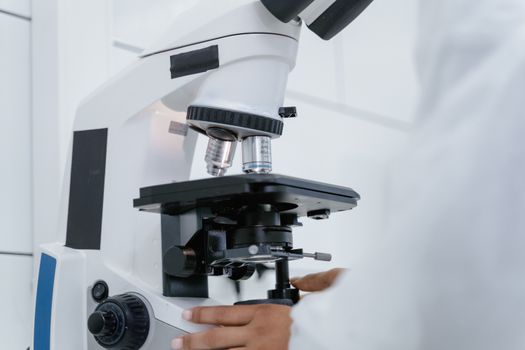
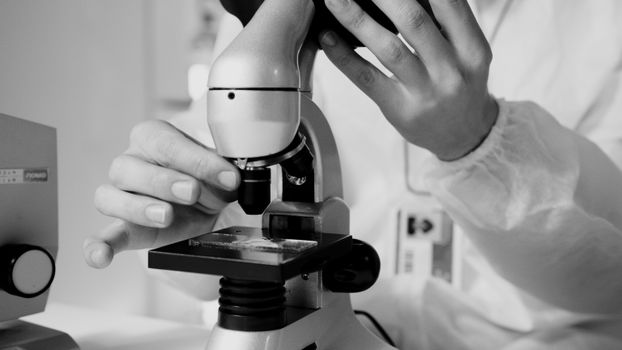
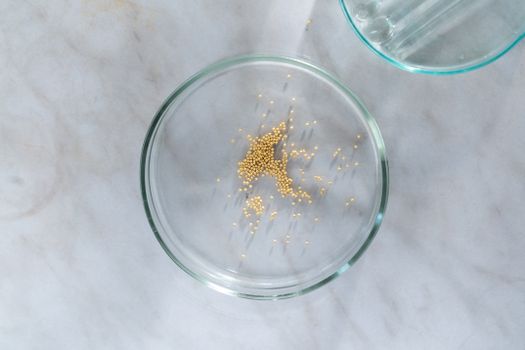
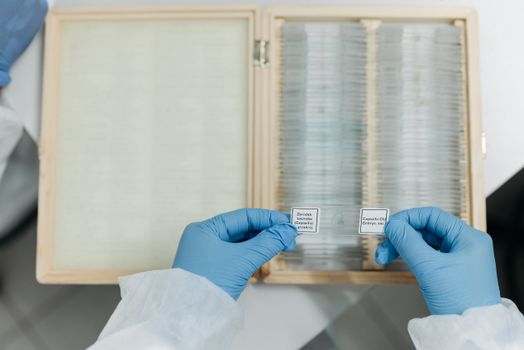
Imagine a world so tiny you cant see it with your eyes, but it's everywhere! A Microbiologist is like a detective for these tiny living things, called microbes. This includes bacteria, viruses, fungi, and even some very small parasites. In the UK, a Microbiologist studies these microbes to understand how they work, what they do, and how they affect us and our environment. This could involve looking at samples from people to find out what's making them ill, checking food for harmful germs to make sure it's safe to eat, or even working to find new medicines that can fight off infections. They spend a lot of time in laboratories, using special microscopes and equipment to grow and study these tiny organisms. Being a Microbiologist means you get to do lots of exciting things. You might be involved in research to discover new types of microbes or figure out how existing ones can become resistant to medicines. You could also work in hospitals helping doctors diagnose illnesses, or in companies developing new vaccines. It's a job that needs a lot of careful observation, problem-solving, and a keen interest in science. You'll often work as part of a team, sharing your findings and collaborating on projects to make important discoveries that can improve public health and safety.

Microbiologist

Flag Media

Please select a reason for flagging this content.

📊 Statistics

Average UK Salary

A newly qualified Microbiologist in the UK can expect to earn around 25,000 to 30,000 pounds per year. With more experience, this can increase to 35,000 to 50,000 pounds, and senior roles can go even higher.

Job Outlook

There are hundreds of job vacancies for Microbiologists advertised in the UK each year across various sectors, showing a steady demand for these vital roles.

Working Hours

Most Microbiologists in the UK work standard office hours, typically 37-40 hours a week, though some roles, especially in hospitals or manufacturing, might involve shift work or being on call.

🚀 Careers in this path

Flag Media

Please select a reason for flagging this content.

Virologist

Imagine being a detective for tiny invaders! A Virologist studies viruses, like the flu or chickenpox, to understand how they work and how to stop them from making people ill. You might look at them through powerful microscopes and help create vaccines.

Flag Media

Please select a reason for flagging this content.

Food Safety Microbiologist

Have you ever wondered how we know our food is safe to eat? A Food Safety Microbiologist checks food and drinks for tiny germs that could make us sick. They help ensure that restaurants, supermarkets, and food factories are keeping everything super clean and safe for everyone.

Flag Media

Please select a reason for flagging this content.

Environmental Microbiologist

An Environmental Microbiologist explores the tiny living things in places like soil, water, and even the air around us. They help us understand how these microorganisms affect our planet, like cleaning up pollution or helping plants grow, and how we can protect our environment.

Build Your Foundations

Focus on Science Subjects

At school, try your best in science subjects like Biology, Chemistry, and even Physics. These will give you a great start for understanding how the world works, especially the tiny parts!

When you choose your GCSEs, definitely pick Biology and Chemistry if they are options. For A-Levels, selecting Biology and Chemistry is usually essential for a university degree in microbiology or related sciences. Maths can also be very helpful for understanding data and statistics in science.

Explore the Microscopic World

Learn about microbes outside of lessons. Watch documentaries, read books, or visit science museums to see how amazing and important these tiny organisms are.

Many science museums, like the Science Museum in London or local university open days, have exhibits on microbiology and health. There are also fantastic educational YouTube channels and BBC documentaries that explore microbes and their impact on our lives, from making cheese to fighting diseases. Look for opportunities to use a microscope if your school has one!

Join Science Clubs

If your school has a science club, join it! It's a fun way to do experiments and learn more with friends who also like science.

Science clubs often offer hands-on activities that go beyond the regular curriculum. You might get to do experiments with fungi, look at pond water under a microscope, or even learn about DNA. It's a great chance to ask questions and discover new interests in a relaxed environment.

Higher Education & Specialisation

Choose a University Degree

After school, you'll usually need to go to university and study a science degree like Microbiology, Biomedical Science, or a related field.

Most microbiologist roles require a Bachelor's degree (BSc) in Microbiology or a closely related biological science. Some universities offer specific Microbiology degrees, while others have broader Biological Sciences degrees where you can choose microbiology modules later on. Look at different university courses to see what interests you most and what entry requirements they have.

Gain Practical Lab Skills

While at university, try to get experience working in a lab. This could be through your course, a summer job, or volunteering.

Many university courses include lab practicals, but actively seeking out extra experience is really beneficial. Some degrees offer a 'sandwich year' where you work in industry or research for a year. You could also look for summer internships or volunteer opportunities in university labs or hospitals. Practical skills like using microscopes, culturing microbes, and working safely in a lab are super important for a microbiologist.

Consider Further Study (Optional)

For some specialised microbiology jobs, or if you want to do research, you might choose to study for a Master's (MSc) or PhD degree.

A Master's degree can help you specialise in a particular area of microbiology, such as clinical microbiology or environmental microbiology, and often involves a research project. A PhD is a doctoral degree that involves several years of intensive research and is usually required for senior research positions in universities or pharmaceutical companies. It's a big commitment but opens up many advanced opportunities.

Starting Your Career

Apply for Entry-Level Roles

Look for your first job as a 'Trainee Microbiologist', 'Lab Assistant', or 'Junior Scientist' in places like hospitals, food companies, or research labs.

Entry-level roles often involve supporting senior microbiologists, performing routine tests, preparing samples, and maintaining lab equipment. These jobs are fantastic for building your confidence and applying what you've learned. You might find opportunities in NHS hospitals (e.g., in pathology labs), pharmaceutical companies, food and drink manufacturers, or environmental agencies.

Develop Specialised Skills

Once you're working, keep learning and try to become really good at specific techniques or areas of microbiology that interest you.

Microbiology is a huge field! You could specialise in medical microbiology (diagnosing infections), industrial microbiology (making vaccines or medicines), environmental microbiology (water quality, waste treatment), or food microbiology (food safety). Companies often provide training, and you can also attend workshops or short courses to gain new skills and knowledge in your chosen specialism.

Join Professional Organisations

Become a member of professional groups for microbiologists. They can help you meet other scientists and learn about new discoveries.

Organisations like the Microbiology Society or the Royal Society of Biology offer networking events, conferences, journals, and career resources. Being a member shows you're serious about your career, and it's a great way to stay updated on the latest research, find mentors, and explore different career paths within microbiology.

🎯 View Apprenticeships

Explore relevant apprenticeships that can help you kickstart your career in Microbiologist. Apprenticeships offer hands-on experience and training while earning a wage.

Career Progressions

No career progressions found for Microbiologist

Sample Qualifications

How to become

You can get into this job through:

  • a university course
  • an apprenticeship
  • working towards this role

University

To become a microbiologist, you could do a degree in:

  • microbiology
  • biology
  • life sciences
  • biological science

Some degree courses include an integrated master's qualification like MBiol or MSci. You'll usually have more time for independent research and they're designed to lead directly onto further postgraduate study like a PhD.

Training programme for the NHS

If you want to work in the NHS as a microbiologist, you could apply to the Scientist Training Programme (STP) after your degree.

You'll train on the job, get paid a salary and receive a master's degree at the end.

Entry requirements

You'll usually need:

  • 5 GCSEs at grades 9 to 4 (A* to C), or equivalent, including English, maths and science
  • 2 or 3 A levels, or equivalent, including biology for a degree
  • a degree in a relevant subject for postgraduate study

More Information

Apprenticeship

You may be able to become a microbiologist by doing an apprenticeship, for example:

  • Scientist Level 6 Degree Apprenticeship
  • Research Scientist Level 7 Degree Apprenticeship

These apprenticeships can take between 3 and 5 years to complete.

Entry requirements

You'll usually need:

  • 4 or 5 GCSEs at grades 9 to 4 (A* to C) and A levels, or equivalent, for a degree apprenticeship

More Information

Work

You might be able to get into microbiology by working your way up from a laboratory technician.

You would need to study part time for a biological science degree or degree apprenticeship while you work.

Volunteering

Volunteering in the NHS is a good way to get work experience in a healthcare lab. This can be helpful when you apply for jobs or training.

More Information

Professional and industry bodies

You can join the Microbiology Society to get professional recognition, find training opportunities and make new contacts.

Further information

You can get more advice about working in microbiology from the Microbiology Society and Health Careers.

Interested in More Career Paths?

Explore other careers or use our AI to discover personalised paths based on your interests.

Stay connected

Join our newsletter to stay up to date on features and releases

Address
Developing Experts Limited
Exchange Street Buildings
35-37 Exchange Street
Norwich
NR2 1DP
UK

Phone
01603 273515

Email
[email protected]

Copyright 2026 Developing Experts, All rights reserved.