
Creating Career Path...

Finding Further Careers...

Microbiologist

View this career for different education levels:

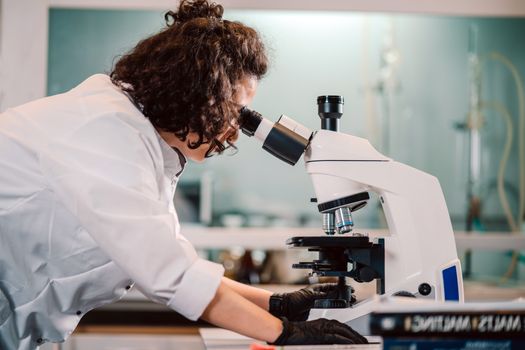
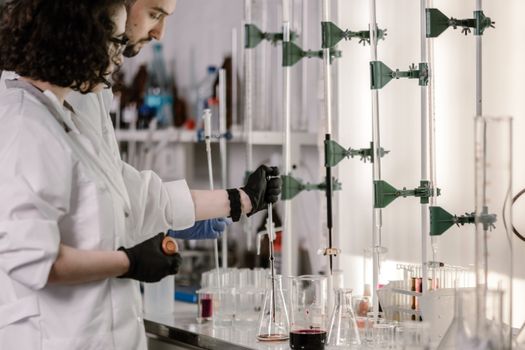
Imagine tiny, tiny creatures that you cant see with your eyes, like super-small bugs! A microbiologist is a bit like a detective for these tiny creatures, which we call microbes or germs. They use special microscopes to look at them up close and learn all about them. These microbes can be good for us, like the ones that help make yummy cheese or bread, or they can be naughty and make us sick. Microbiologists work in lots of different places, like hospitals to find out what germ is making someone ill, in food factories to make sure our food is safe to eat, or in big labs trying to find new medicines to stop bad germs. They might grow the germs in special dishes, then watch how they behave or test different things on them. It's a very important job that helps keep us all healthy and safe!

Microbiologist

Flag Media

Please select a reason for flagging this content.

📊 Statistics

Average Starting Salary

New microbiologists in the UK can expect to earn around 20,000 to 25,000 pounds a year. This is like pocket money for grown-ups who are just starting out.

Experienced Salary

With more experience, a microbiologist could earn between 30,000 and 50,000 pounds a year, especially if they become a senior scientist or manager. That's a lot more! Some very experienced people in special roles can earn even more.

Job Market Size

There are many thousands of scientists working in the UK in different fields, and microbiologists are a very important part of this group. The British Society for Antimicrobial Chemotherapy has many members, showing it's a big and important job.

🚀 Careers in this path

Flag Media

Please select a reason for flagging this content.

Germ Detective

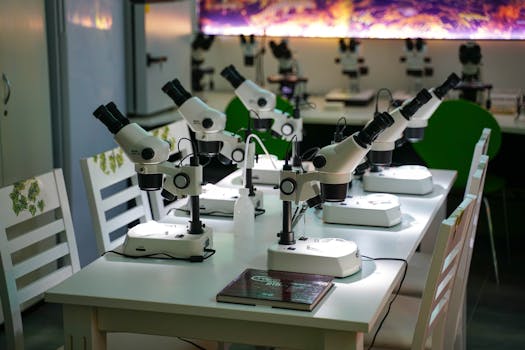
Imagine you're a super detective, but instead of finding clues about people, you're looking for tiny, tiny living things called germs! You'd use a special magnifying glass (called a microscope) to see them up close, find out where they live, and how they grow. It's like a tiny, invisible world!

Flag Media

Please select a reason for flagging this content.

Food Safety Hero

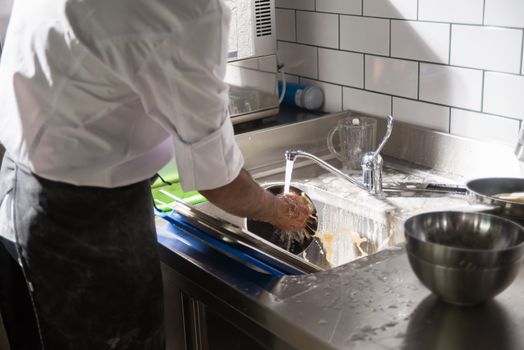
Do you like making sure things are safe and healthy to eat? A Food Safety Hero makes sure that all the yummy food we eat, like our favourite biscuits or school dinners, doesn't have any nasty germs in it that could make us poorly. You'd help make sure our food is always super safe and tasty!

Flag Media

Please select a reason for flagging this content.

Plant Health Pal

Have you ever seen a plant look a bit sad or droopy? A Plant Health Pal helps sick plants get better! You'd look for tiny germs or bugs that might be making the plants poorly and help find ways to make them strong and healthy again, so they can grow big and tall.

Learning About Tiny Things

Be Curious About Science

Start by being super curious about how the world works, especially living things!

At school, pay close attention in your science lessons. Ask lots of questions about plants, animals, and even things you can't see! Learning about biology and chemistry early on will give you a great head start. Try to visit science museums or watch nature documentaries to spark your interest even more.

Learn About Germs and Bugs

Find out about bacteria, viruses, and fungi, which are the tiny living things microbiologists study.

You can read books about germs, watch educational videos, or even look up pictures of different microbes online (with a grown-up's help!). Understanding what these tiny creatures are and what they do is the first step to becoming a great microbiologist. You'll learn they're not all bad; some are even helpful!

Use a Toy Microscope

Play with a toy microscope to see tiny things up close, like leaves or sugar crystals.

A toy microscope can be a fantastic way to see the world differently. You can look at a tiny piece of a leaf, a strand of hair, or even some sugar crystals. This helps you get used to looking at things that are very small and sparks your imagination about what else might be too small to see with just your eyes. It's like being a tiny explorer!

Growing Your Knowledge

Do Well in Science at School

Try your best in science lessons, especially biology, to understand how living things work.

When you get to secondary school, subjects like Biology, Chemistry, and sometimes Physics will be really important. These subjects teach you the basic rules of how life and matter work, which are essential for understanding microbiology. Good grades in these subjects will help you later on when applying for further education.

Visit a University Open Day

Go to a university open day to see what a science lab looks like and ask questions.

Many universities have special days where you can visit and see what it's like to study there. You might get to see real science labs, look through powerful microscopes, and even talk to real scientists or students who are studying microbiology. It's a great way to imagine yourself working in a lab one day and get excited about your future.

Learn About Staying Healthy

Understand how germs can make us sick and how good hygiene helps us stay healthy.

Microbiologists often work with germs that can cause illness, so understanding how diseases spread and how to prevent them is key. Learning about handwashing, healthy eating, and vaccinations isn't just good for you, it also teaches you about the real-world impact of microbes and how we fight against the harmful ones.

Becoming a Microbiologist

Study at University

Go to university to get a special degree in Microbiology or a related science like Biology.

After school, you'll need to go to university to get a degree. A Bachelor's degree in Microbiology, Biomedical Science, or a related subject like Biology or Biochemistry is usually the first step. This will teach you all the in-depth knowledge and practical skills you need, like how to safely work with microbes in a lab and use advanced equipment.

Do an Internship or Placement

Try to get a work placement in a lab during your university studies to get real experience.

While you're at university, look for opportunities to do an internship or a work placement. This is where you get to work in a real lab for a few weeks or months. It's fantastic for gaining practical skills, seeing what the job is really like, and meeting people who already work as microbiologists. It makes your CV look great too!

Start Your First Job

Look for entry-level jobs in labs, like a Junior Microbiologist or a Lab Technician.

Once you have your degree and some work experience, you can start applying for jobs! Many people start as a Junior Microbiologist, a Lab Technician, or a Research Assistant. These roles allow you to keep learning, develop your skills, and work under the guidance of more experienced scientists. You could work in hospitals, food companies, universities, or even pharmaceutical companies!

🎬 Useful Videos

🎯 View Apprenticeships

Explore relevant apprenticeships that can help you kickstart your career in Microbiologist. Apprenticeships offer hands-on experience and training while earning a wage.

Career Progressions

No career progressions found for Microbiologist

Sample Qualifications

How to become

You can get into this job through:

  • a university course
  • an apprenticeship
  • working towards this role

University

To become a microbiologist, you could do a degree in:

  • microbiology
  • biology
  • life sciences
  • biological science

Some degree courses include an integrated master's qualification like MBiol or MSci. You'll usually have more time for independent research and they're designed to lead directly onto further postgraduate study like a PhD.

Training programme for the NHS

If you want to work in the NHS as a microbiologist, you could apply to the Scientist Training Programme (STP) after your degree.

You'll train on the job, get paid a salary and receive a master's degree at the end.

Entry requirements

You'll usually need:

  • 5 GCSEs at grades 9 to 4 (A* to C), or equivalent, including English, maths and science
  • 2 or 3 A levels, or equivalent, including biology for a degree
  • a degree in a relevant subject for postgraduate study

More Information

Apprenticeship

You may be able to become a microbiologist by doing an apprenticeship, for example:

  • Scientist Level 6 Degree Apprenticeship
  • Research Scientist Level 7 Degree Apprenticeship

These apprenticeships can take between 3 and 5 years to complete.

Entry requirements

You'll usually need:

  • 4 or 5 GCSEs at grades 9 to 4 (A* to C) and A levels, or equivalent, for a degree apprenticeship

More Information

Work

You might be able to get into microbiology by working your way up from a laboratory technician.

You would need to study part time for a biological science degree or degree apprenticeship while you work.

Volunteering

Volunteering in the NHS is a good way to get work experience in a healthcare lab. This can be helpful when you apply for jobs or training.

More Information

Professional and industry bodies

You can join the Microbiology Society to get professional recognition, find training opportunities and make new contacts.

Further information

You can get more advice about working in microbiology from the Microbiology Society and Health Careers.

Interested in More Career Paths?

Explore other careers or use our AI to discover personalised paths based on your interests.

Stay connected

Join our newsletter to stay up to date on features and releases

Address
Developing Experts Limited
Exchange Street Buildings
35-37 Exchange Street
Norwich
NR2 1DP
UK

Phone
01603 273515

Email
[email protected]

Copyright 2026 Developing Experts, All rights reserved.