

Creating Career Path...

Finding Further Careers...

Weather Forecaster For TV

View this career for different education levels:

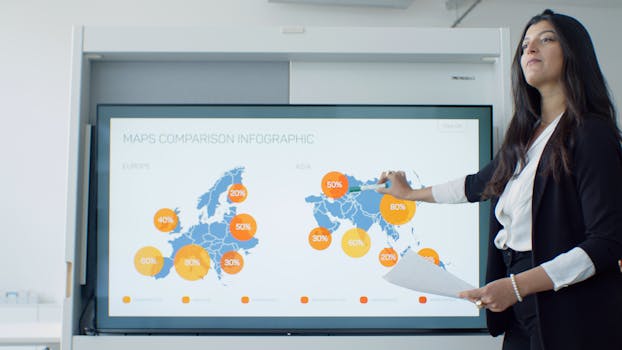
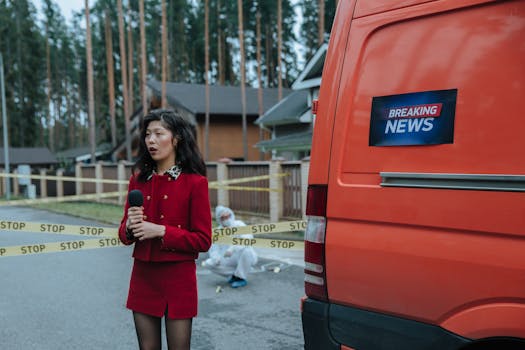
Imagine waking up every day and knowing what the weather will be like! A TV weather forecaster is a very important person who tells everyone on television if it will be sunny, rainy, or snowy. They use special computers and maps to understand what the sky is doing. They then explain it in an easy-to-understand way, so you know if you need to take your umbrella to school or wear your wellies. They work really hard to make sure their predictions are as accurate as possible, helping people plan their day, whether they are going to the park or planting vegetables in their garden. They might stand in front of a big green screen that makes it look like maps are behind them, pointing to different parts of the UK to show where the rain is going. It is a bit like being a detective for the weather! To become a TV weather forecaster, you need to be good at science, especially learning about how weather works. You also need to be good at talking clearly and confidently to lots of people on TV. It is a bit like being an actor and a scientist all at once! They might work early in the morning or late at night, depending on when their TV show is on. They help keep everyone in the UK informed about the weather, which is super important for everything from farming to planning a picnic. They often need to go to university to study things like meteorology, which is the science of weather.

Weather Forecaster For TV

Flag Media

Please select a reason for flagging this content.

📊 Statistics

Starting Salary

A new weather forecaster for TV in the UK might start earning around 20,000 to 25,000 pounds a year. This is like how much a teacher might earn when they first start.

Experienced Salary

With more experience, a TV weather forecaster in the UK could earn between 30,000 and 50,000 pounds a year. Very famous forecasters on national TV could earn even more.

Number of Positions

There are not hundreds of TV weather forecaster jobs in the UK. It is a special job, so there might only be a few hundred people working in this role across all the TV channels in the country. It is a bit like being a famous footballer, not everyone gets to do it.

🚀 Careers in this path

Flag Media

Please select a reason for flagging this content.

Storm Chaser

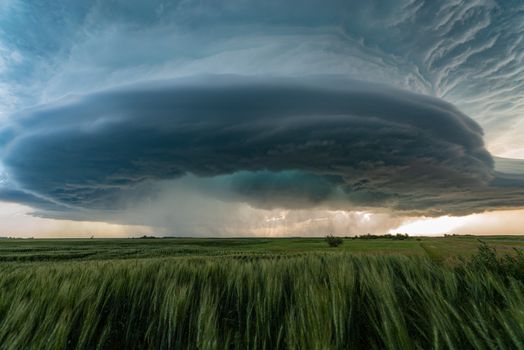
Imagine you love watching the sky and want to learn all about big storms, like thunder and lightning! A storm chaser travels around to see storms up close and help tell people when they might be coming.

Flag Media

Please select a reason for flagging this content.

Cloud Photographer

If you love taking pictures and think clouds are amazing, you could be a cloud photographer! You would take beautiful photos of all sorts of clouds, like fluffy ones, wispy ones, and big dark ones, to show everyone how wonderful they are.

Flag Media

Please select a reason for flagging this content.

Climate Change Researcher

This is like being a weather detective! You would study how the weather is changing over a very long time, like if it's getting warmer or rainier, and try to figure out why and what we can do to help our planet.

Learning About Weather

Be a Weather Detective

Start by looking at the sky every day and noticing what the weather is doing. Is it sunny? Cloudy? Raining? Try to guess what the weather will be like tomorrow!

You can keep a little weather diary. Write down if it's hot or cold, if there are big fluffy clouds or dark rainy ones. What sounds does the wind make? Does the sun feel strong? This helps you become really observant, which is super important for a weather forecaster. You could even draw pictures of the different types of weather you see.

Read Weather Books

Find fun books about weather, clouds, and how rain is made. There are lots of amazing stories and facts that can teach you all about it.

Visit your local library or ask a grown-up to help you find non-fiction books about weather. Look for books that explain things like the water cycle (how rain goes up and comes down again) or different types of clouds like cumulus (fluffy ones) and stratus (flat ones). Learning the names of things will help you sound like a real expert!

Watch Weather Reports

Watch your favourite TV weather forecasters and see how they explain the weather. Notice their maps, their pictures, and how they talk.

Pay attention to how they point to different parts of the map and use their hands. What words do they use to describe the weather? How do they make it interesting? You could even practice pretending to be a weather forecaster in front of a mirror, using a pretend map and talking about the weather outside your window.

School Learning Adventures

Do Well in Science

Science lessons at school are super important because weather is all about science! Pay attention to topics like water, air, and the Earth.

In primary school, you'll learn about different materials, forces, and how the world works. All of these things are connected to weather. For example, learning about evaporation is key to understanding how clouds form. Asking questions in science class will help you understand even more about the world around you.

Practice Speaking

Being a TV presenter means talking clearly and confidently. Join school plays or show-and-tell to practice speaking in front of people.

Getting good at speaking out loud is a big part of being on TV. When you do a presentation at school or read a story to your class, you're practicing. Try to speak slowly and clearly, and remember to smile! The more you practice, the easier and more fun it will become.

Learn About Maps

Weather forecasters use maps all the time. Learn about different countries, cities, and where things are on a map in your geography lessons.

Geography helps you understand where different places are and how weather can be different in mountains compared to by the sea. Knowing your way around a map is crucial for showing people where the rain or sunshine will be. You could even draw your own simple weather map of your town!

Growing Up with Goals

Keep Learning Maths

Maths helps weather forecasters understand numbers about temperature, wind speed, and how much rain will fall. It's a key skill!

As you get older, maths will help you understand charts and graphs that show weather patterns. Learning about averages, percentages, and how to read data are all very important for understanding the science behind the weather. Don't worry if it seems tricky sometimes, just keep trying your best!

Study Meteorology

When you're older, you could study something called 'Meteorology' at university. This is the science of weather, and it's what real weather experts learn.

Meteorology is a fascinating subject that teaches you all about the atmosphere, climate, and how to predict weather. It involves lots of science and maths. There are universities in the UK that offer degrees in meteorology, which would give you all the knowledge you need to become a professional weather forecaster.

Practice Presenting

Join a school TV club or make little weather videos at home. The more you practice talking to a camera, the better you'll get!

You could use a phone or tablet to record yourself giving a short weather report for your family. Think about how you would stand, what you would say, and how you would point to a pretend map. Practicing helps you feel more comfortable and confident, which is exactly what you need for a job on TV.

🎯 View Apprenticeships

Explore relevant apprenticeships that can help you kickstart your career in Weather Forecaster For TV. Apprenticeships offer hands-on experience and training while earning a wage.

Career Progressions

This page showcases various career options and the pathways to reach them. Each career listed here shares transferable skills and knowledge, making it easier for individuals to transition between them.

Your current career is highlighted to help you see how it fits into the broader landscape of potential career choices. By clicking on any career, you can learn more about it, including the training and education required to pursue it.

Remember, progressing in your career often involves further learning and training. This page provides insights into future career options as well as those that can lead up to your current one.

These career progression decisions are informed by comparing the skills and knowledge needed for different occupations, along with data on how people move between them. Explore the possibilities and discover the exciting journey ahead in your career!

Sample Qualifications

A 'Weather Forecaster For TV' is primarily responsible for analysing weather data and predicting weather patterns, which are the core duties of a Meteorologist. While they also present on TV, their foundational expertise and qualifications lie in meteorology, making this the most appropriate fit from the given list.

How to become

You can get into this job through:

  • a university course
  • training with a professional body

University

You'll usually need a degree in meteorology or a related subject like:

  • physical sciences
  • maths
  • geography
  • computer science
  • environmental science

You might need a postgraduate qualification in meteorology or climatology if you want to do research.

You can find out more about relevant degree subjects from the Royal Meteorological Society.

Getting experience of computer modelling during your degree or postgraduate course can be useful in this role.

Entry requirements

You'll usually need:

  • 4 or 5 GCSEs at grades 9 to 4 (A* to C), or equivalent, including English, maths and science
  • 2 or 3 A levels, or equivalent, including a science, for a degree
  • a degree in a relevant subject for postgraduate study

More Information

Volunteering

You can get  experience with the Met Office 10 week summer internship schemes. There are schemes for different groups, including graduates and A level students who are thinking about meteorology as a career.

Other Routes

You can apply to the Met Office for a place as a trainee on their forecasting and observations course.

You'll need a degree or equivalent qualification in science, maths or a related subject like geography. Other subjects may be accepted if you have the right qualities.

More Information

Career tips

You can do a short work placement to find out more about meteorology as a career, if you're aged between 13 and 18.

Further information

You can learn more about becoming a meteorologist from the Met Office and the Royal Meteorological Society.

Interested in More Career Paths?

Explore other careers or use our AI to discover personalised paths based on your interests.

Stay connected

Join our newsletter to stay up to date on features and releases

Address
Developing Experts Limited
Exchange Street Buildings
35-37 Exchange Street
Norwich
NR2 1DP
UK

Phone
01603 273515

Email
[email protected]

Copyright 2026 Developing Experts, All rights reserved.