
Creating Career Path...

Finding Further Careers...

Clean Energy Programme Delivery Manager

View this career for different education levels:

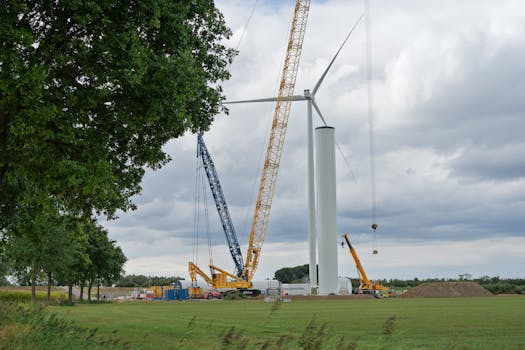
Imagine a world where all our electricity comes from sunshine and wind. A Clean Energy Programme Delivery Manager is like a super important organiser who helps make that happen! They dont just build things themselves, but they make sure all the different parts of a big clean energy project, like building a new wind farm or a huge solar panel field, work together smoothly. They talk to lots of different people, check that everything is on time and on budget, and make sure the project helps our planet. They are like the conductor of an orchestra, making sure all the musicians play at the right time to make beautiful music, but for clean energy projects! They could be working on projects that bring electricity from big windmills out at sea to homes, or making sure new ways to store energy, like giant batteries, are installed properly. This job is all about helping the UK use more power that is good for the Earth, like power from the sun, wind, or water. They make sure everyone knows what they need to do, from the engineers designing the wind turbines to the teams building them. They help solve any problems that pop up and make sure the whole project finishes on time and works really well to give us clean electricity. It is a very rewarding job because you are directly helping to fight climate change and create a cleaner, healthier world for everyone.

Clean Energy Programme Delivery Manager

Flag Media

Please select a reason for flagging this content.

📊 Statistics

Salary Range

A Clean Energy Programme Delivery Manager in the UK can earn between 45000 and 75000 pounds a year. If you have lots of experience, it could be even more, sometimes up to 90000 pounds.

Job Openings

There are hundreds of jobs like this across the UK. Many new wind farms, solar farms, and other green projects mean that there are always new opportunities to help manage these important programmes.

Industry Growth

The clean energy industry in the UK is growing super fast. This means there will be even more exciting jobs in the future as we build more renewable power sources.

🚀 Careers in this path

Flag Media

Please select a reason for flagging this content.

Wind Turbine Inventor

Imagine designing new types of wind turbines that are even better at making electricity from the wind! You'd draw pictures, build models, and think of clever ways to make them super efficient.

Flag Media

Please select a reason for flagging this content.

Solar Panel Park Organiser

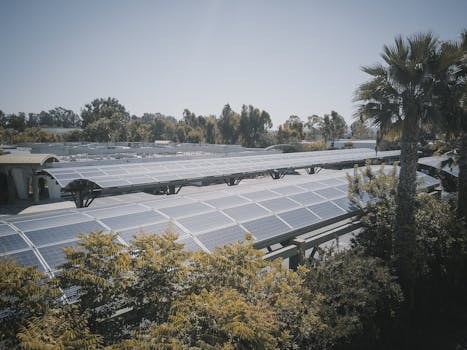
This job is all about helping to build big parks full of solar panels. You'd figure out the best places to put them so they catch lots of sunshine and help bring clean power to homes and schools.

Recycling Robot Builder

You'd get to design and build cool robots that can sort different types of rubbish really quickly and smartly. These robots would help recycle more things, turning old items into new ones and saving energy.

Learning About Energy

Be Curious About Science

Start by learning about how things work in the world, especially science and maths. This will help you understand different types of energy.

At school, pay special attention in science lessons. You'll learn about electricity, forces, and different types of energy like heat and light. Maths is also important for understanding measurements and how to solve problems. Reading books or watching documentaries about how power stations work, or how wind turbines generate electricity, can also be really exciting and informative. You could even try some simple science experiments at home with a grown-up to see energy in action.

Explore Renewable Energy

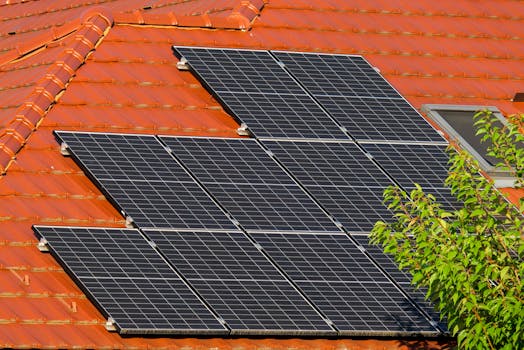
Find out about clean energy sources like solar panels, wind turbines, and hydro power. These are super important for our planet!

Look for information about renewable energy. You could visit science museums that have exhibits on solar power or wind energy. Watch videos online about how solar panels turn sunshine into electricity or how giant wind turbines spin to make power. Talk to your teachers about projects you could do at school that involve renewable energy, like building a small model wind turbine or a solar-powered car. Learning about these early will give you a great head start.

Visit Energy Sites

If you can, visit places where clean energy is made, like a wind farm or a solar park. It's amazing to see them up close!

Ask your parents or teachers if there are any visitor centres at wind farms, solar parks, or hydro power stations nearby. Many of these places have special tours or viewing areas where you can learn more about how they work and the amazing technology involved. Seeing these huge structures up close can be really inspiring and help you understand the scale of clean energy projects. Sometimes, local councils or energy companies run open days, so keep an eye out for those opportunities.

Growing Your Skills

Study Hard in School

When you get a bit older, focus on subjects like maths, science, and maybe even design and technology. These help you understand how to build things.

In secondary school, choosing subjects like Physics, Chemistry, Maths, and even Geography can be very helpful. Physics teaches you about energy and electricity, Chemistry can explain materials, and Maths is essential for problem-solving and calculations. Geography can help you understand environmental impacts and where different types of energy are best placed. If your school offers Design & Technology, it's a great way to learn about planning and making things, which is a big part of managing projects.

Join Clubs and Groups

Join clubs that involve building, problem-solving, or helping the environment. This helps you work with others and learn new skills.

Look for school clubs like a science club, robotics club, or an eco-committee. These groups often work on projects together, which is great practice for a future programme manager. You'll learn how to share ideas, work as a team, and solve challenges. If there's an environmental group in your local area, joining them could give you practical experience in helping the planet and understanding community projects, which is important for clean energy initiatives.

Learn to Plan and Organise

Practice organising things, like your school projects or even a fun event with friends. A manager needs to be super organised!

Start by organising your own schoolwork, making sure you know what needs to be done and by when. You could also help plan family events or organise a small project with friends, like putting on a play or building a den. Think about what steps are needed, what materials you'll need, and who will do what. This helps you develop skills in sequencing tasks, allocating resources, and making sure everything gets done on time, which are all key skills for a programme delivery manager.

Becoming a Professional

Go to University

After school, you'll usually go to university to study subjects like Engineering, Environmental Science, or Project Management.

To become a Clean Energy Programme Delivery Manager, many people go to university to get a degree. Good degree choices would be Electrical Engineering, Mechanical Engineering, Civil Engineering, Renewable Energy Engineering, Environmental Science, or even a degree in Project Management. These courses will teach you the deep technical knowledge and management skills needed to lead big clean energy projects. Look for universities that have strong links to industry or offer placements.

Get Work Experience

Try to get a job or do an internship at a company that works with clean energy. This helps you see how real projects are run.

While you're at university, or even after, try to get internships or summer jobs with companies involved in renewable energy. This could be a solar panel installation company, a wind farm developer, or an energy consultancy firm. Work experience is incredibly valuable because it lets you see how projects are planned, built, and managed in the real world. You'll learn from experienced professionals and start to understand the challenges and rewards of the job. You could also look for entry-level roles as a project assistant or graduate engineer.

Keep Learning and Growing

Even when you have a job, keep learning new things about energy and management. The clean energy world is always changing!

The clean energy sector is constantly evolving with new technologies and ways of doing things. To be a great Programme Delivery Manager, you'll need to keep up-to-date with the latest developments. This might mean taking extra courses, attending conferences, or getting special certifications in project management (like PRINCE2 or Agile). Networking with other professionals in the industry is also a fantastic way to learn and stay informed about new trends and opportunities. Continuous learning will help you lead innovative and successful clean energy projects.

🎬 Useful Videos

🎯 View Apprenticeships

Explore relevant apprenticeships that can help you kickstart your career in Clean Energy Programme Delivery Manager. Apprenticeships offer hands-on experience and training while earning a wage.

Career Progressions

This page showcases various career options and the pathways to reach them. Each career listed here shares transferable skills and knowledge, making it easier for individuals to transition between them.

Your current career is highlighted to help you see how it fits into the broader landscape of potential career choices. By clicking on any career, you can learn more about it, including the training and education required to pursue it.

Remember, progressing in your career often involves further learning and training. This page provides insights into future career options as well as those that can lead up to your current one.

These career progression decisions are informed by comparing the skills and knowledge needed for different occupations, along with data on how people move between them. Explore the possibilities and discover the exciting journey ahead in your career!

Sample Qualifications

A Clean Energy Programme Delivery Manager within a UK context is highly likely to operate within the public sector or an organisation delivering a government-backed programme. 'Programme Delivery Manager' suggests a role focused on the overarching management and implementation of initiatives, which aligns well with the strategic and operational responsibilities of a Civil Service manager, particularly one overseeing public programmes related to energy policy.

How to become

You can get into this job through:

  • working towards this role
  • applying directly
  • a graduate training scheme

Work

You may be able to start in the Civil Service, for example, as a higher executive officer. You could then apply for a place on the Civil Service Fast Stream scheme, which can eventually lead into a management career.

Each department sets its own entry requirements, which often includes a university qualification. As an existing employee, you may be able to apply without a degree, though this varies between departments.

After completing the scheme and gaining experience, you could apply for a management role as vacancies become available.


Direct Application

You'll be expected to have relevant experience to apply directly for jobs.

You'll also need technical skills relevant to the department you wish to join. For example, as a human resources (HR) manager, you'll need experience of using HR information systems, or project management skills for project management roles.

You'll be assessed on your skills, knowledge and behaviours that fit in with the values of the Civil Service, as part of the application process.

Other Routes

If you're a graduate, postgraduate or in your final year of university, you can apply for a place on the Civil Service Fast Stream scheme, which can prepare you for a career in leadership and management. Competition for places is very strong, so a degree with a higher grade and work experience will help you.

Your degree can be in any subject, though some Civil Service departments may prefer a degree in a subject that is relevant to their work, for example economics for the Treasury.

After completing the scheme, you'll be offered a role within a department. You would usually start as an executive officer or higher executive officer before you can move into a management job.

Further information

You can get more details about working in management from Civil Service Careers.

Interested in More Career Paths?

Explore other careers or use our AI to discover personalised paths based on your interests.

Stay connected

Join our newsletter to stay up to date on features and releases

Address
Developing Experts Limited
Exchange Street Buildings
35-37 Exchange Street
Norwich
NR2 1DP
UK

Phone
01603 273515

Email
[email protected]

Copyright 2026 Developing Experts, All rights reserved.