
Creating Career Path...

Finding Further Careers...

Clean Energy Programme Delivery Manager

View this career for different education levels:

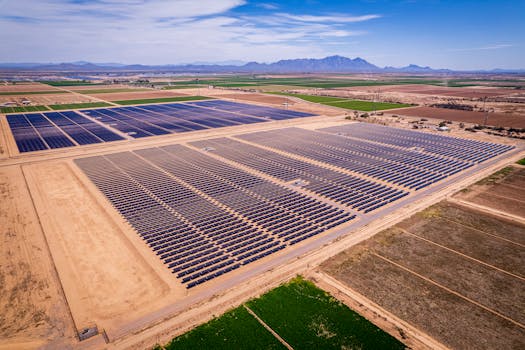
A Clean Energy Programme Delivery Manager is like a conductor of an orchestra, but instead of music, they are leading projects that help us get energy from clean sources like wind, solar, and water. Their main job is to make sure that these big projects, such as building a new wind farm or setting up a large solar panel installation, are completed on time, within budget, and meet all the necessary goals. They work with lots of different people, including engineers, financial experts, and government officials, to plan everything, solve problems that pop up, and keep everyone working together towards the same goal of producing more green energy. This role is really important for the UK as we try to reduce our impact on the environment and move away from traditional fuels. A Clean Energy Programme Delivery Manager will oversee all stages of a project, from the very beginning idea all the way to making sure it is running smoothly. This might involve getting permits, managing construction, making sure safety rules are followed, and even communicating with local communities. It is a job that requires excellent organisational skills, good communication, and a real passion for making the world a greener place.

Clean Energy Programme Delivery Manager

Flag Media

Please select a reason for flagging this content.

📊 Statistics

Average Salary

The average salary for a Clean Energy Programme Delivery Manager in the UK can range from around 45,000 to 75,000 pounds per year, depending on experience and location. For someone with a lot of experience, it could be even higher.

Job Growth

The clean energy sector in the UK is growing rapidly. It is predicted that the number of jobs in renewable energy could more than triple to 210,000 by 2030, meaning lots of opportunities for roles like this.

UK Companies

There are many companies in the UK looking for people in this field, from large energy firms like Orsted and SSE Renewables, to smaller specialist consultancies and government agencies.

🚀 Careers in this path

Flag Media

Please select a reason for flagging this content.

Renewable Energy Project Coordinator

Imagine helping to build wind farms or solar power stations. You would help organise everything needed, like making sure the right equipment arrives and that everyone knows what to do, to get these big clean energy projects finished. It's like being the conductor of a very important orchestra, but for green power!

Flag Media

Please select a reason for flagging this content.

Energy Efficiency Advisor

You could help homes and businesses use less energy. This might involve looking at buildings to see where heat is escaping, or suggesting new, more efficient lightbulbs or heating systems. Your job would be to make sure people are saving energy, which is good for their wallets and for the planet.

Community Energy Developer

This is about helping local communities set up their own clean energy projects, like putting solar panels on a school roof or building a small wind turbine for a village. You would talk to local people, help them plan the project, and make it happen, making your community greener and more self-sufficient.

Build Your Foundations

Excel in Science & Maths

Focus on your Science (especially Physics!) and Maths subjects at school. These are super important for understanding how clean energy technology works.

To be a successful Clean Energy Programme Delivery Manager, a strong grasp of scientific principles and mathematical calculations is essential. Physics helps you understand energy generation, while maths is crucial for project budgeting, data analysis, and problem-solving. Try to get good grades in these subjects to open up more options for your future studies. Consider joining a science club or taking part in STEM challenges.

Explore Climate Change & Energy

Learn about climate change, different types of clean energy (like wind, solar, hydro), and why they're important for our planet's future.

Understanding the 'why' behind clean energy is just as important as the 'how'. Read books, watch documentaries, and follow news about climate change and renewable energy. Knowing the global context and the benefits of transitioning to clean energy will help you appreciate your future role and contribute meaningfully. Websites like the Energy Saving Trust or RenewableUK are great places to start your research.

Develop Project Skills

Even at school, try to get involved in projects! This helps you learn how to plan, work with others, and solve problems.

Project delivery is all about managing tasks, timelines, and people. Look for opportunities to lead group projects in class, organise school events, or even manage a sports team. These experiences help you develop key skills like communication, organisation, teamwork, and problem-solving, which are vital for a Programme Delivery Manager. Learning to break down a big task into smaller, manageable steps is a great start.

Higher Education & Early Experience

Choose Relevant University Course

After your GCSEs and A-Levels, consider a university degree in engineering (like Electrical, Mechanical, or Renewable Energy Engineering) or a related scientific field.

A Bachelor's degree is typically the minimum requirement for a career in this field. Look for accredited engineering programmes that offer modules in renewable energy, power systems, or project management. Some universities even offer specific 'Renewable Energy Engineering' or 'Energy Management' degrees. You could also consider degrees in Environmental Science with a strong technical component. Research different universities and their course content carefully to find the best fit for your interests and career aspirations.

Gain Work Experience & Internships

During your university breaks, try to get internships or work experience with companies involved in clean energy projects.

Work experience is incredibly valuable for getting a foot in the door and understanding the industry. Look for internships with renewable energy developers, engineering consultancies, or utility companies. Even short placements can provide hands-on experience and allow you to network with professionals. Many universities have career services that can help you find these opportunities. This practical experience will make your CV stand out and help you decide which area of clean energy you enjoy most.

Explore Project Management Skills

Start learning about how big projects are managed. You might find courses or certifications that teach you these skills.

While your main degree will cover technical aspects, understanding project management methodologies is crucial. Look for introductory courses or online resources about project management principles (like PRINCE2 or Agile methodologies). Some universities offer project management modules as part of engineering degrees. Gaining a foundational understanding of planning, risk management, and stakeholder engagement early on will give you a significant advantage in this career path.

Professional Development & Leadership

Start in a Junior Role

Begin your career in a junior engineering, project support, or analyst role within a clean energy company.

After university, you'll likely start in a role that allows you to contribute to projects while learning from experienced professionals. This could be as a Project Engineer, Assistant Project Manager, or Technical Analyst. These roles provide essential practical experience in project lifecycles, technical challenges, and team collaboration. It's a great opportunity to apply your academic knowledge and see how projects are run day-to-day, building your foundational understanding of the industry.

Pursue Professional Certifications

As you gain experience, consider getting professional project management certifications like PRINCE2 or PMP.

Formal qualifications in project management demonstrate your expertise and commitment to the field. Certifications like PRINCE2 (Projects IN Controlled Environments) or PMP (Project Management Professional) are highly respected globally and can significantly boost your career progression. These certifications teach advanced project planning, execution, monitoring, and closing techniques. They are often a requirement for senior project delivery roles and will equip you with a structured approach to managing complex clean energy programmes.

Develop Leadership & Communication

Work on improving your leadership, problem-solving, and communication skills, as these are key for managing teams and programmes.

A Clean Energy Programme Delivery Manager needs to lead diverse teams, communicate effectively with stakeholders, and navigate complex challenges. Look for opportunities to take on more responsibility, mentor junior colleagues, or lead specific project workstreams. Participate in workshops on leadership, negotiation, and public speaking. Being able to clearly explain technical information to non-technical people and motivate your team are crucial skills that will help you excel in this management role.

🎬 Useful Videos

🎯 View Apprenticeships

Explore relevant apprenticeships that can help you kickstart your career in Clean Energy Programme Delivery Manager. Apprenticeships offer hands-on experience and training while earning a wage.

Career Progressions

This page showcases various career options and the pathways to reach them. Each career listed here shares transferable skills and knowledge, making it easier for individuals to transition between them.

Your current career is highlighted to help you see how it fits into the broader landscape of potential career choices. By clicking on any career, you can learn more about it, including the training and education required to pursue it.

Remember, progressing in your career often involves further learning and training. This page provides insights into future career options as well as those that can lead up to your current one.

These career progression decisions are informed by comparing the skills and knowledge needed for different occupations, along with data on how people move between them. Explore the possibilities and discover the exciting journey ahead in your career!

Sample Qualifications

A Clean Energy Programme Delivery Manager is highly likely to be involved in government-led initiatives for clean energy, aligning with the programme delivery and public sector focus of a Civil Service manager.

How to become

You can get into this job through:

  • working towards this role
  • applying directly
  • a graduate training scheme

Work

You may be able to start in the Civil Service, for example, as a higher executive officer. You could then apply for a place on the Civil Service Fast Stream scheme, which can eventually lead into a management career.

Each department sets its own entry requirements, which often includes a university qualification. As an existing employee, you may be able to apply without a degree, though this varies between departments.

After completing the scheme and gaining experience, you could apply for a management role as vacancies become available.


Direct Application

You'll be expected to have relevant experience to apply directly for jobs.

You'll also need technical skills relevant to the department you wish to join. For example, as a human resources (HR) manager, you'll need experience of using HR information systems, or project management skills for project management roles.

You'll be assessed on your skills, knowledge and behaviours that fit in with the values of the Civil Service, as part of the application process.

Other Routes

If you're a graduate, postgraduate or in your final year of university, you can apply for a place on the Civil Service Fast Stream scheme, which can prepare you for a career in leadership and management. Competition for places is very strong, so a degree with a higher grade and work experience will help you.

Your degree can be in any subject, though some Civil Service departments may prefer a degree in a subject that is relevant to their work, for example economics for the Treasury.

After completing the scheme, you'll be offered a role within a department. You would usually start as an executive officer or higher executive officer before you can move into a management job.

Further information

You can get more details about working in management from Civil Service Careers.

Interested in More Career Paths?

Explore other careers or use our AI to discover personalised paths based on your interests.

Stay connected

Join our newsletter to stay up to date on features and releases

Address
Developing Experts Limited
Exchange Street Buildings
35-37 Exchange Street
Norwich
NR2 1DP
UK

Phone
01603 273515

Email
[email protected]

Copyright 2026 Developing Experts, All rights reserved.