Creating Career Path...

Finding Further Careers...

Energy Efficiency Adviser

View this career for different education levels:

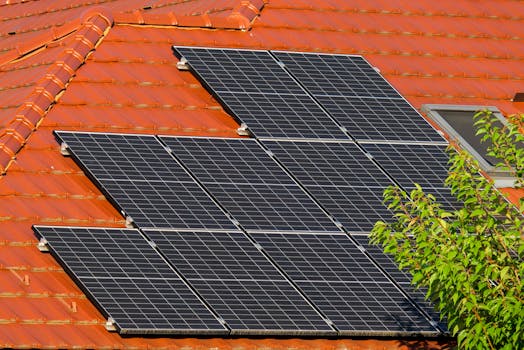
An Energy Efficiency Adviser in the UK plays a crucial role in helping individuals, businesses, and organisations reduce their energy consumption and carbon footprint. This career involves assessing existing energy usage, identifying areas for improvement, and recommending practical solutions. You might conduct energy audits of homes or commercial buildings, analyse utility bills, and use specialist software to model energy performance. Your recommendations could range from simple behavioural changes and insulation upgrades to advising on the installation of renewable energy technologies like solar panels or heat pumps. This role often involves explaining complex technical information in an accessible way to clients, helping them understand the benefits and costs of various energy-saving measures. You'll need to stay up-to-date with the latest energy regulations, grants, and technologies in the UK, such as EPC ratings and government schemes like the Boiler Upgrade Scheme. It's a hands-on role that combines technical knowledge with strong communication skills, contributing directly to environmental sustainability and cost savings for your clients.

Energy Efficiency Adviser

Flag Media

Please select a reason for flagging this content.

📊 Statistics

Average Salary Range

Starting salaries for Energy Efficiency Advisers in the UK typically range from 22,000 to 28,000 pounds per year. With experience, this can rise to 35,000 to 50,000 pounds, and senior roles or specialist consultants can earn upwards of 60,000 pounds.

Job Market Growth

The demand for Energy Efficiency Advisers in the UK is projected to grow significantly, driven by the government's net-zero targets and increasing public awareness. Industry reports indicate a robust job market, with a projected 15 percent increase in related roles over the next five years.

Number of UK Professionals

While exact figures for this specific title can vary, it is estimated that there are over 10,000 professionals working in energy advisory and efficiency roles across the UK, encompassing various specialisms within the sector.

🚀 Careers in this path

Flag Media

Please select a reason for flagging this content.

Building Services Engineer

Design, install, and maintain the mechanical and electrical systems within buildings, with a strong focus on optimising their energy performance and sustainability. This often involves HVAC systems, lighting, and power distribution.

Flag Media

Please select a reason for flagging this content.

Renewable Energy Consultant

Specialise in advising clients on the adoption and implementation of renewable energy technologies such as solar PV, wind, and heat pumps. This role often involves feasibility studies, system design, and project management.

Sustainability Officer

Work within an organisation to develop, implement, and monitor sustainability strategies, often including energy efficiency initiatives, waste reduction, and carbon footprint management. This role can span various sectors, from local councils to large corporations.

Build Your Foundational Knowledge

Gain Relevant Qualifications

Acquire a degree or vocational qualification in a relevant field such as environmental science, engineering, sustainable energy, or building services.

Many universities and colleges in the UK offer undergraduate and postgraduate courses specifically tailored to sustainability, energy management, or environmental engineering. Look for programmes accredited by professional bodies where possible. If a full degree isn't feasible, vocational courses or Higher National Diplomas (HNDs) in building services or construction can also provide a solid foundation. Consider Open University courses for flexible learning.

Understand UK Energy Policy & Legislation

Familiarise yourself with current UK government policies, legislation, and regulations related to energy efficiency and carbon reduction.

Key areas to research include the 'Net Zero Strategy', Building Regulations Part L (Conservation of fuel and power), the Energy Performance of Buildings Directive (EPBD), and schemes like ECO (Energy Company Obligation). Understanding these frameworks is crucial for advising clients on compliance and accessing potential grants or incentives. Stay updated by following news from BEIS (Department for Business, Energy & Industrial Strategy - now DESNZ) and organisations like the Energy Saving Trust.

Develop Technical Skills

Focus on understanding building physics, energy systems, and renewable technologies, as well as data analysis for energy auditing.

This involves learning about heat transfer, ventilation, insulation types, heating and cooling systems (boilers, heat pumps), solar PV, and battery storage. Practical skills in using energy monitoring equipment and software for energy modelling are highly valuable. Develop strong analytical skills to interpret energy consumption data and identify patterns or inefficiencies. Courses in CAD software or building information modelling (BIM) can also be beneficial.

Gain Practical Experience & Specialisation

Seek Entry-Level Positions or Internships

Apply for roles such as Junior Energy Consultant, Sustainability Intern, or Trainee Energy Assessor to gain hands-on experience.

Look for opportunities with energy consultancies, housing associations, local councils, or large organisations with dedicated sustainability teams. These roles will expose you to real-world energy audits, project management, and client interaction. An internship can provide invaluable networking opportunities and a direct pathway to full-time employment. Be proactive in researching companies that align with your interests.

Achieve Professional Certifications

Obtain industry-recognised certifications, such as Domestic Energy Assessor (DEA) or Non-Domestic Energy Assessor (NDEA).

These certifications are often required by law for specific energy assessment roles and demonstrate your competence. They involve structured training and examinations. Organisations like Elmhurst Energy, Stroma Certification, and NES provide training and accreditation. Consider other certifications like CEPH (Certified European Passive House Designer) if you want to specialise in ultra-low energy buildings, or CIBSE Low Carbon Consultant for building services.

Network and Stay Current

Actively participate in industry events, workshops, and professional bodies to expand your network and knowledge.

Join organisations like the Energy Institute, CIBSE (Chartered Institution of Building Services Engineers), or the Institute of Environmental Management & Assessment (IEMA). Attend webinars, conferences, and local meet-ups. This will keep you abreast of the latest technologies, policy changes, and best practices in the rapidly evolving energy efficiency sector. Networking can also open doors to mentoring opportunities and future career prospects.

Advance Your Career

Specialise in a Niche Area

Consider focusing on a particular area such as renewable energy integration, industrial energy efficiency, or retrofitting historic buildings.

As you gain experience, you might discover a passion for a specific aspect of energy efficiency. Specialisation can make you a more sought-after expert. For example, becoming proficient in specific software tools for energy modelling (e.g., IES-VE, TAS) or gaining deep expertise in a certain technology (e.g., ground source heat pumps, smart building controls) can significantly enhance your career trajectory. Continuous professional development (CPD) is key to maintaining expertise.

Take on Project Management Roles

Develop skills in managing energy efficiency projects from conception to completion, including budget and team oversight.

As an experienced adviser, you'll often lead projects. This involves coordinating with contractors, clients, and other stakeholders, ensuring projects are delivered on time and within budget. Project management certifications like PRINCE2 or Agile can be highly beneficial. This progression demonstrates leadership capabilities and moves you towards more strategic and senior roles within organisations.

Consider Consultancy or Entrepreneurship

With significant experience, explore opportunities to work as an independent consultant or even start your own energy efficiency advisory firm.

Becoming an independent consultant allows for greater autonomy and the ability to choose your projects. This requires a strong client base, excellent business acumen, and a proven track record. Starting your own firm means taking on all aspects of running a business, from marketing and sales to financial management. It's a challenging but potentially very rewarding path for seasoned professionals with entrepreneurial spirit.

🎬 Useful Videos

🎯 View Apprenticeships

Explore relevant apprenticeships that can help you kickstart your career in Energy Efficiency Adviser. Apprenticeships offer hands-on experience and training while earning a wage.

Career Progressions

This page showcases various career options and the pathways to reach them. Each career listed here shares transferable skills and knowledge, making it easier for individuals to transition between them.

Your current career is highlighted to help you see how it fits into the broader landscape of potential career choices. By clicking on any career, you can learn more about it, including the training and education required to pursue it.

Remember, progressing in your career often involves further learning and training. This page provides insights into future career options as well as those that can lead up to your current one.

These career progression decisions are informed by comparing the skills and knowledge needed for different occupations, along with data on how people move between them. Explore the possibilities and discover the exciting journey ahead in your career!

Sample Qualifications

An Energy Efficiency Adviser typically assesses existing buildings and advises on ways to improve energy performance, which aligns closely with the role of a Commercial energy assessor who evaluates energy use in commercial properties and recommends efficiency measures.

How to become

You can get into this job through specialist courses run by private training organisations.

Other Routes

If you have no previous experience of commercial energy assessing you'll need to do one or both of the following:

  • Level 3 Diploma in Non-Domestic Energy Assessments
  • Level 4 Diploma in Commercial Energy Assessments

With a Level 3 diploma, you can carry out assessments on existing buildings.

With a Level 4 diploma, you can carry out assessments on new and existing commercial buildings.

If you have relevant experience from related roles or industries like surveying, construction or engineering, you may be able to do a fast-track course or have your previous experience accredited.


More Information

Further information

The government provides further information and a register of commercial energy assessors.

Interested in More Career Paths?

Explore other careers or use our AI to discover personalised paths based on your interests.

Stay connected

Join our newsletter to stay up to date on features and releases

Address
Developing Experts Limited
Exchange Street Buildings
35-37 Exchange Street
Norwich
NR2 1DP
UK

Phone
01603 273515

Email
[email protected]

Copyright 2026 Developing Experts, All rights reserved.