Creating Career Path...

Finding Further Careers...

Energy Efficiency Adviser

View this career for different education levels:

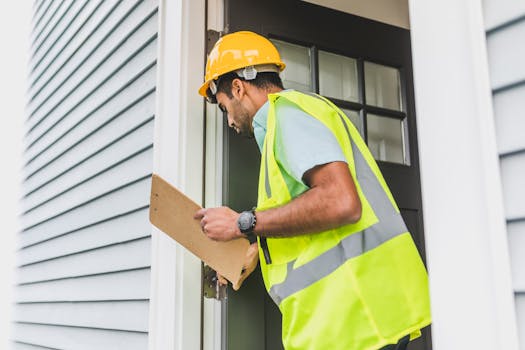
Imagine you are a detective for energy The Energy Efficiency Adviser helps people and businesses in the UK find ways to use less energy. This means they visit homes and offices to look at how electricity and gas are being used. They might check if windows are leaky, if the roof needs more insulation (like a warm blanket for your house), or if old light bulbs can be swapped for new, super-efficient ones. Their main job is to give friendly advice on how to save energy, which helps people save money and also looks after our planet by using less power. An Energy Efficiency Adviser also explains why using less energy is a good idea. They talk about different technologies like solar panels that get energy from the sun or smart thermostats that learn when you need heating. They might help fill out forms for grants or special programmes that make it easier for people to get these energy-saving improvements. It's a bit like being a teacher, helping everyone understand how to be super energy smart and making sure homes are warm and cosy without wasting too much.

Energy Efficiency Adviser

Flag Media

Please select a reason for flagging this content.

📊 Statistics

Average Salary

An Energy Efficiency Adviser can earn between 25,000 to 40,000 a year in the UK. This can be more with experience, helping lots of people save energy.

Job Openings

There are hundreds of jobs for Energy Efficiency Advisers advertised in the UK each year, as more and more people want to make their homes and businesses greener.

Energy Savings Impact

Advisers help people save money on their energy bills, sometimes as much as 300 to 500 a year for an average family home.

🚀 Careers in this path

Flag Media

Please select a reason for flagging this content.

Home Energy Detective

Imagine being a detective for your house! You'd look for places where warm air might escape, like under doors or around windows. Then you'd help your family find clever ways to keep the warm air in, like using thick curtains or draft excluders, so less energy is wasted.

Solar Panel Helper

You could be someone who helps families understand how sunshine can make electricity for their home using special panels on the roof. You'd explain how they work and why they're good for the planet, like a sunshine power expert!

Recycling Champion for Houses

This job is all about finding ways to use things again in your house to save energy. Maybe you'd help sort rubbish so it can be recycled properly, or find creative ways to reuse old items so new ones don't need to be made, saving lots of energy in factories.

Learning About Energy

Be an Energy Detective at Home

Start by looking around your own home to see where energy might be getting used. Can you find lights left on or windows open when the heating is on?

Walk around your house with a grown-up. Look at different rooms and try to spot things that use electricity, like TVs, computers, and lights. Notice if doors or windows are open when the heating or air conditioning is on. This helps you understand how energy is used every day.

Learn About Different Types of Energy

Find out where our energy comes from, like the sun, wind, or burning fuel. Some are better for the planet!

Explore books or websites with a grown-up to learn about energy sources. You can learn about solar panels that use sunlight, wind turbines that use wind, and how electricity travels to your home. Understanding where energy comes from is a big step to knowing how to save it.

Discover How to Save Energy

Learn simple ways to save energy, like turning off lights when you leave a room or unplugging chargers.

Think about simple habits that can make a big difference. This includes switching off lights when you leave a room, unplugging electronics when they're not in use (they can still use a little power even when off!), and closing doors to keep heat in. These small actions help save energy and are a great start to being an energy adviser.

Growing Your Knowledge

Do Well in Science and Maths at School

Science helps you understand how energy works, and maths helps you figure out how much energy is saved.

Pay attention in your science lessons, especially when you learn about electricity, heat, and forces. Maths is important for understanding measurements and calculating how much energy different things use or save. These subjects give you the building blocks to understand complex energy systems later on.

Join a Green Club or Project

See if your school has a club that helps the environment. You could plant trees or learn about recycling!

Many schools have 'eco-clubs' or 'green teams' that focus on making the school more environmentally friendly. You could help with recycling, composting, or even suggesting ways for the school to save energy, like turning down the heating in empty classrooms. This is a great way to put your learning into practice.

Visit Places That Use Green Energy

Ask a grown-up to take you to a place with solar panels, wind turbines, or clever energy-saving buildings.

If possible, visit a science museum, a local farm with solar panels, or a building designed to be very energy-efficient. Seeing these things in real life can be very inspiring and help you understand how energy efficiency works on a larger scale. You might even get to ask questions to people who work there!

Becoming an Expert

Study More About Energy Saving

When you're older, you can go to college or university to learn all about how to design energy-efficient buildings and systems.

This would involve studying courses like 'Environmental Science', 'Engineering', or 'Building Services Engineering'. These courses teach you about different types of insulation, heating and cooling systems, renewable energy technologies, and how to make buildings use energy smartly. You'll learn to use special tools and software to measure and improve energy use.

Get Practical Experience

You can work with a company that helps people save energy. This is a great way to learn on the job!

Look for internships or entry-level jobs with energy consulting firms, construction companies that focus on green building, or local councils working on energy-saving projects. This hands-on experience will teach you how to conduct energy audits, use diagnostic equipment, and advise clients effectively. You'll work alongside experienced advisers and learn from them.

Keep Learning New Things

The world of energy saving is always changing, so it's important to keep learning about new technologies and ideas.

As an energy efficiency adviser, you'll need to stay updated on the latest building regulations, new energy-saving technologies like smart home systems, and changes in renewable energy. This might involve attending workshops, reading industry magazines, or completing short courses to keep your knowledge fresh and be the best adviser you can be.

🎬 Useful Videos

🎯 View Apprenticeships

Explore relevant apprenticeships that can help you kickstart your career in Energy Efficiency Adviser. Apprenticeships offer hands-on experience and training while earning a wage.

Career Progressions

This page showcases various career options and the pathways to reach them. Each career listed here shares transferable skills and knowledge, making it easier for individuals to transition between them.

Your current career is highlighted to help you see how it fits into the broader landscape of potential career choices. By clicking on any career, you can learn more about it, including the training and education required to pursue it.

Remember, progressing in your career often involves further learning and training. This page provides insights into future career options as well as those that can lead up to your current one.

These career progression decisions are informed by comparing the skills and knowledge needed for different occupations, along with data on how people move between them. Explore the possibilities and discover the exciting journey ahead in your career!

Sample Qualifications

An Energy Efficiency Adviser focuses on evaluating and improving energy use in buildings, a core duty of a Commercial Energy Assessor who specifically assesses energy performance and provides recommendations for efficiency improvements in commercial properties.

How to become

You can get into this job through specialist courses run by private training organisations.

Other Routes

If you have no previous experience of commercial energy assessing you'll need to do one or both of the following:

  • Level 3 Diploma in Non-Domestic Energy Assessments
  • Level 4 Diploma in Commercial Energy Assessments

With a Level 3 diploma, you can carry out assessments on existing buildings.

With a Level 4 diploma, you can carry out assessments on new and existing commercial buildings.

If you have relevant experience from related roles or industries like surveying, construction or engineering, you may be able to do a fast-track course or have your previous experience accredited.


More Information

Further information

The government provides further information and a register of commercial energy assessors.

Interested in More Career Paths?

Explore other careers or use our AI to discover personalised paths based on your interests.

Stay connected

Join our newsletter to stay up to date on features and releases

Address
Developing Experts Limited
Exchange Street Buildings
35-37 Exchange Street
Norwich
NR2 1DP
UK

Phone
01603 273515

Email
[email protected]

Copyright 2026 Developing Experts, All rights reserved.