

Creating Career Path...

Finding Further Careers...

Energy Efficiency Adviser

View this career for different education levels:

An Energy Efficiency Adviser helps people and organisations save energy, reduce their carbon footprint, and lower their energy bills. Imagine you live in a house and your heating bills are really high. An Energy Efficiency Adviser could visit your home, look at things like your insulation, windows, and boiler, and then suggest ways you could make your home more energy efficient. They might suggest adding loft insulation, getting double glazing, or switching to more energy-efficient light bulbs. They explain complicated things in a simple way so that everyone can understand how to make a difference. This job isn't just about homes; advisers also work with businesses, schools, and even local councils. They might carry out energy audits, which are like checking the energy health of a building, and then create reports with recommendations. They also keep up to date with new technologies and government schemes that help people save energy. It's a role that combines science, problem-solving, and communication, all with the goal of helping the environment and people's wallets.

Energy Efficiency Adviser

Flag Media

Please select a reason for flagging this content.

📊 Statistics

Salary Range

In the UK, an Energy Efficiency Adviser can expect to earn between 20,000 and 35,000 pounds per year for entry-level roles, rising to 40,000 pounds or more for experienced professionals. This can vary based on location and the type of organisation they work for.

Number of Positions

The demand for Energy Efficiency Advisers in the UK is growing. With increasing focus on climate change and reducing carbon emissions, more companies and local councils are employing these specialists. While an exact national figure is hard to pinpoint instantly, job boards regularly show hundreds of open roles across the country at any given time, reflecting a healthy job market.

Typical Working Hours

Most Energy Efficiency Advisers work standard full-time hours, which is usually around 37-40 hours a week, Monday to Friday. Some roles might involve travel to different sites or client homes, which could mean slightly varied daily schedules.

🚀 Careers in this path

Flag Media

Please select a reason for flagging this content.

Home Energy Inspector

Imagine you visit homes and schools to look at things like windows, insulation, and heating. Your job is to spot ways to stop energy from being wasted and suggest easy improvements, like thicker curtains or sealing gaps, to make the building cosier and cheaper to run.

Flag Media

Please select a reason for flagging this content.

Renewable Energy Assistant

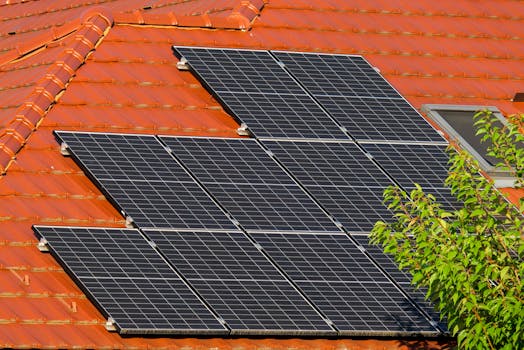
You could help out with projects that use natural power, like solar panels on roofs or small wind turbines. Your role might involve learning how they work, helping with checks, or even teaching people how these green technologies can power their homes and reduce their carbon footprint.

Sustainable Living Blogger

If you love writing and sharing ideas, you could create a blog or videos about simple ways families and young people can be more energy efficient at home and school. This could include tips on saving electricity, recycling, reducing water use, and making eco-friendly choices every day.

Build Your Foundations

Excel in STEM Subjects

Focus on your Science, Technology, Engineering, and Maths (STEM) subjects at school. These subjects will give you a great understanding of how energy works and how things are built.

Understanding physics will help you grasp concepts like heat transfer and insulation. Maths will be crucial for calculating energy savings and costs. Design and Technology (DT) can also be really helpful for understanding building structures and materials. Aim for good grades in these areas to keep your options open for further education.

Explore Your Interests

Start learning more about energy efficiency and climate change in your spare time. There are lots of fun ways to do this, like watching documentaries or reading articles.

Look up local 'eco-friendly' initiatives or community projects that focus on reducing energy. You could even try making your own home more energy efficient by suggesting small changes to your family, like turning off lights or unplugging chargers. This helps you understand real-world applications.

Consider Work Experience

If possible, try to get some work experience related to construction, engineering, or environmental science. Even a day or two can be really insightful!

Ask your teachers or parents if they know any companies that might offer a short placement. It doesn't have to be a direct energy efficiency company; experience with builders, plumbers, or even an architectural firm can show you how buildings are put together and where energy is used. This practical experience looks great on your CV later on.

Further Your Education

Choose A-Levels or College Course

After GCSEs, you'll need to choose your next steps. Good options include A-Levels in subjects like Maths, Physics, Environmental Science, or a BTEC in Engineering or Construction.

Many universities offering relevant degrees will look for strong A-Level grades in at least one science or maths subject. BTEC qualifications can also be a fantastic route, providing a more vocational and hands-on approach which is very valuable in this field. Discuss your options with your career advisor at school to see what best suits your learning style.

Go to University or Apprenticeship

Most Energy Efficiency Advisers have a degree in a relevant subject like environmental science, engineering, or building services, or complete an advanced apprenticeship.

Look for university courses such as 'Sustainable Engineering', 'Environmental Science', 'Building Surveying', or 'Energy Management'. These degrees will give you the deep knowledge needed. Alternatively, a higher-level apprenticeship in building services engineering or energy management can offer practical experience alongside studying for a qualification.

Gain Professional Qualifications

Once you're working, you might get specific qualifications like an 'Energy Assessor' certification or specialised training in renewable technologies.

These professional qualifications are often required by law for certain types of energy assessments, like those for Energy Performance Certificates (EPCs). Your employer might help you achieve these, or you can look into accredited training providers. Keeping your skills up-to-date with new technologies and regulations is crucial in this evolving field.

Start Your Career

Apply for Entry-Level Roles

Look for jobs such as 'Trainee Energy Adviser', 'Sustainability Assistant', or 'Junior Energy Analyst' with local councils, housing associations, or energy consultancy firms.

These roles are designed for people who are just starting out and will provide valuable on-the-job training. Highlight any work experience, projects, or relevant skills you've gained during your education. Networking at industry events or career fairs can also open doors to these opportunities.

Develop Practical Skills

Learn how to conduct energy audits, use diagnostic tools, and interpret energy data effectively.

This involves understanding how to use equipment like thermal cameras to detect heat loss, or monitoring tools to track energy usage. You'll also learn to write clear and practical reports with recommendations for clients. Good communication skills are key here, as you'll need to explain complex ideas simply.

Stay Up-to-Date

The world of energy efficiency is always changing, so keep learning about new technologies, policies, and best practices.

Read industry publications, attend workshops or webinars, and perhaps even join professional bodies like the Energy Institute or the Institute of Environmental Management & Assessment (IEMA). This shows dedication and ensures you're always offering the most current and effective advice to your clients.

🎬 Useful Videos

🎯 View Apprenticeships

Explore relevant apprenticeships that can help you kickstart your career in Energy Efficiency Adviser. Apprenticeships offer hands-on experience and training while earning a wage.

Career Progressions

This page showcases various career options and the pathways to reach them. Each career listed here shares transferable skills and knowledge, making it easier for individuals to transition between them.

Your current career is highlighted to help you see how it fits into the broader landscape of potential career choices. By clicking on any career, you can learn more about it, including the training and education required to pursue it.

Remember, progressing in your career often involves further learning and training. This page provides insights into future career options as well as those that can lead up to your current one.

These career progression decisions are informed by comparing the skills and knowledge needed for different occupations, along with data on how people move between them. Explore the possibilities and discover the exciting journey ahead in your career!

Sample Qualifications

An Energy Efficiency Adviser typically assesses existing energy use and advises on improvements, which aligns closely with the duties of a Commercial Energy Assessor who evaluates energy performance in buildings and suggests efficiency measures.

How to become

You can get into this job through specialist courses run by private training organisations.

Other Routes

If you have no previous experience of commercial energy assessing you'll need to do one or both of the following:

  • Level 3 Diploma in Non-Domestic Energy Assessments
  • Level 4 Diploma in Commercial Energy Assessments

With a Level 3 diploma, you can carry out assessments on existing buildings.

With a Level 4 diploma, you can carry out assessments on new and existing commercial buildings.

If you have relevant experience from related roles or industries like surveying, construction or engineering, you may be able to do a fast-track course or have your previous experience accredited.


More Information

Further information

The government provides further information and a register of commercial energy assessors.

Interested in More Career Paths?

Explore other careers or use our AI to discover personalised paths based on your interests.

Stay connected

Join our newsletter to stay up to date on features and releases

Address
Developing Experts Limited
Exchange Street Buildings
35-37 Exchange Street
Norwich
NR2 1DP
UK

Phone
01603 273515

Email
[email protected]

Copyright 2026 Developing Experts, All rights reserved.