



Creating Career Path...

Finding Further Careers...

Renewable Energy Technician

View this career for different education levels:

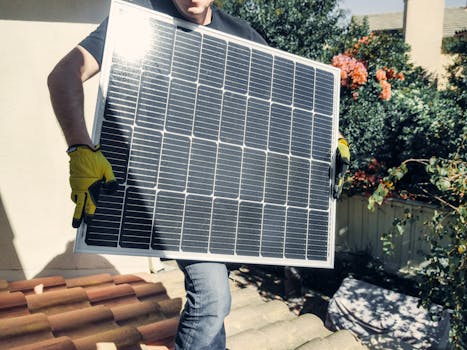
A Renewable Energy Technician plays a crucial role in the development, installation, maintenance, and repair of systems that harness renewable energy sources. This could involve working on wind turbines, solar panels, hydroelectric power plants, biomass systems, or geothermal installations. Your day-to-day tasks might include conducting routine inspections, troubleshooting electrical and mechanical faults, performing preventative maintenance to ensure optimal performance, and installing new components or systems. It's a hands-on role that often requires working at heights, in confined spaces, or in outdoor environments, demanding a strong understanding of engineering principles, health and safety regulations, and problem-solving skills. You'd be essential in keeping the UK's green energy infrastructure running efficiently and reliably. This career path is incredibly dynamic and offers opportunities to specialise. For instance, a wind turbine technician might spend their time climbing turbines, replacing gearboxes, or repairing blades, while a solar PV technician might focus on installing and maintaining rooftop or ground-mounted solar arrays. Strong diagnostic abilities, attention to detail, and a commitment to safety are paramount. Many roles require vocational qualifications, apprenticeships, or college courses in electrical engineering, mechanical engineering, or renewable energy technologies. Continuous professional development is also vital to keep up with evolving technologies and industry standards in this rapidly advancing field.

Renewable Energy Technician

Flag Media

Please select a reason for flagging this content.

📊 Statistics

Average Salary Range

Starting salaries for Renewable Energy Technicians in the UK typically range from 22,000 to 28,000 annually, with experienced professionals potentially earning between 35,000 and 45,000 or more, depending on specialisation, location, and the employing company.

Job Market Growth

The renewable energy sector in the UK is experiencing significant growth. Forecasts suggest a steady increase in demand for skilled technicians, particularly in offshore wind, solar, and energy storage, creating numerous opportunities in the coming years.

Typical Working Hours

Most Renewable Energy Technicians work a standard 37-40 hour week. However, shift work, on-call duties, and working in remote locations or outdoors in various weather conditions are common, especially for maintenance and installation roles.

🚀 Careers in this path

Flag Media

Please select a reason for flagging this content.

Wind Turbine Technician

Specialises in the installation, maintenance, and repair of wind turbines. This often involves working at heights and understanding the mechanical, electrical, and hydraulic systems of the turbines.

Flag Media

Please select a reason for flagging this content.

Solar PV Installer

Focuses on the installation and maintenance of photovoltaic (PV) solar panels on rooftops or ground-mounted arrays. This role requires knowledge of electrical systems, roofing, and safety protocols.

Flag Media

Please select a reason for flagging this content.

Bioenergy Plant Operator

Works within power plants that convert organic matter (biomass) into energy. Responsibilities include monitoring plant processes, operating machinery, and ensuring efficient and safe energy production.

Build Your Foundational Knowledge

Academic Qualification

Gain a relevant college qualification or an apprenticeship to build a strong theoretical and practical base in renewable energy or electrical engineering.

Consider a Level 3 BTEC in Electrical and Electronic Engineering, or a relevant HNC/HND in Renewable Energy Engineering. Alternatively, an apprenticeship in electrical installation or renewable energy systems offers a direct route into the industry, combining on-the-job training with classroom learning. These qualifications will equip you with the essential understanding of electrical principles, safety regulations, and the specific technologies used in renewable energy.

Specialised Training

Undertake specific training courses focused on particular renewable energy technologies, such as solar PV or wind turbine maintenance.

Many colleges and private training providers offer short courses or certifications in areas like Solar Photovoltaic (PV) installation, wind turbine safety training (GWO standards for offshore wind), or biomass boiler maintenance. These courses often cover practical skills, industry standards, and health and safety protocols specific to each technology. Gaining these specialist certifications will make you highly attractive to employers looking for technicians with direct experience.

Health and Safety Certifications

Acquire essential health and safety certifications required for working on industrial sites, especially at heights or with electricity.

Key certifications include an ECS Card (Electrotechnical Certification Scheme) if you're working with electrics, and potentially specific qualifications like IPAF (for operating powered access equipment) or PASMA (for erecting and inspecting mobile access towers) if working at heights. For wind energy, Global Wind Organisation (GWO) basic safety training is often mandatory. These ensure you meet industry safety standards and are competent to work in potentially hazardous environments.

Gain Practical Experience

Apprenticeships or Trainee Roles

Secure an apprenticeship or trainee position with a renewable energy company to get hands-on experience and learn from seasoned professionals.

An apprenticeship is an excellent way to combine learning with earning. You'll work alongside experienced technicians, gaining practical skills in installation, maintenance, and fault finding. This on-the-job training is invaluable for understanding the daily realities of the role and applying your theoretical knowledge in real-world scenarios. Many companies actively recruit apprentices, seeing them as future talent within the industry.

Volunteer or Project Work

Seek out volunteer opportunities or get involved in community renewable energy projects to build a practical portfolio.

Even small-scale projects, such as helping install solar panels on a community building or assisting with the maintenance of local wind turbines, can provide valuable experience. This demonstrates initiative and a genuine interest in the field. It's also a great way to network with professionals and potentially uncover future job opportunities that might not be advertised widely.

Specialise and Adapt

Once you have broad experience, consider specialising in a particular technology (e.g., offshore wind) or type of work (e.g., fault diagnosis).

The renewable energy sector is vast. After gaining general experience, you might find a passion for a specific area, such as the unique challenges of offshore wind turbine maintenance, the precision required for solar farm operations, or the intricacies of battery storage systems. Specialising can open doors to more advanced roles and higher earning potential, as you become an expert in a niche field. Continuously updating your skills is also vital as technology evolves rapidly.

Career Advancement

Advanced Training and Development

Continuously update your skills and knowledge through advanced courses and certifications as new technologies emerge.

The renewable energy landscape is constantly changing, with new technologies and methodologies appearing regularly. Investing in continuous professional development, such as advanced electrical qualifications, SCADA system training, or certifications in emerging energy storage solutions, will keep your skills relevant and in demand. Many employers offer internal training programmes, or you can seek out external providers. Staying current is key to long-term success.

Lead Technician or Supervisor Role

Progress into a lead technician or supervisory role, taking on more responsibility for teams and projects.

With several years of experience and a strong track record, you can aim for positions like Lead Technician, Team Leader, or Site Supervisor. These roles involve not only technical expertise but also leadership skills, project management, and a deeper understanding of operational efficiency and safety protocols. You'll be responsible for mentoring junior staff, managing schedules, and ensuring projects are completed to high standards.

Specialist Consultant or Trainer

Leverage your extensive experience to become a consultant, technical expert, or trainer within the renewable energy sector.

For highly experienced technicians, there are opportunities to move into consultancy, offering expertise to companies on new installations, system optimisations, or troubleshooting complex issues. You could also become a technical trainer, sharing your knowledge with the next generation of renewable energy professionals. These roles often require a deep understanding of industry standards, regulations, and an ability to communicate complex technical information effectively.

🎬 Useful Videos

🎯 View Apprenticeships

Explore relevant apprenticeships that can help you kickstart your career in Renewable Energy Technician. Apprenticeships offer hands-on experience and training while earning a wage.

Career Progressions

This page showcases various career options and the pathways to reach them. Each career listed here shares transferable skills and knowledge, making it easier for individuals to transition between them.

Your current career is highlighted to help you see how it fits into the broader landscape of potential career choices. By clicking on any career, you can learn more about it, including the training and education required to pursue it.

Remember, progressing in your career often involves further learning and training. This page provides insights into future career options as well as those that can lead up to your current one.

These career progression decisions are informed by comparing the skills and knowledge needed for different occupations, along with data on how people move between them. Explore the possibilities and discover the exciting journey ahead in your career!

Sample Qualifications

A Renewable Energy Technician's primary role often involves the installation, maintenance, and repair of renewable energy systems, with wind turbines being a prominent example. This title directly reflects a hands-on, technical role within the renewable energy sector, aligning well with the practical qualifications and duties of a 'Renewable Energy Technician'.

How to become

You can get into this job through:

  • a university course
  • a college course
  • an apprenticeship
  • applying directly

University

You could do a foundation degree, higher national diploma or degree in:

  • renewable energy engineering
  • electrical or mechanical engineering
  • electrical power engineering

It might give you an advantage if your course includes the opportunity to get work experience through summer internships or a year in industry.

Entry requirements

You'll usually need:

  • 1 or 2 A levels, or equivalent, for a foundation degree or higher national diploma
  • 2 to 3 A levels, or equivalent, for a degree

More Information

College

You could do a college course, which could help you to get a trainee job with a wind turbine engineering company.

Courses include:

  • electrical and electronic engineering
  • mechanical engineering technology
  • T Level in Maintenance, Installation and Repair for Engineering and Manufacturing

Entry requirements

Entry requirements for these courses vary.

  • 4 or 5 GCSEs at grades 9 to 4 (A* to C), or equivalent, including English and maths for a T Level

More Information

Apprenticeship

You could apply to do a Level 3 Advanced Apprenticeship, such as:

  • Maintenance Operations Engineering Technician
  • Engineering Technician
  • Engineering Maintenance Technician

These can take between 3 and 4 years to complete.

Entry requirements

You'll usually need:

  • 5 GCSEs at grades 9 to 4 (A* to C), or equivalent, including English and maths, for an advanced apprenticeship

More Information

Direct Application

You can apply directly for jobs if you've got qualifications and experience in electrical or mechanical engineering from another industry, or from the armed forces.

More Information

Career tips

Companies are predicted to need more wind turbine technicians in the future as industries move towards using renewable energy sources.

Further information

You can find out more about working in the renewable energy industry from RenewableUK and Energy & Utilities Careers & Jobs.

Interested in More Career Paths?

Explore other careers or use our AI to discover personalised paths based on your interests.

Stay connected

Join our newsletter to stay up to date on features and releases

Address
Developing Experts Limited
Exchange Street Buildings
35-37 Exchange Street
Norwich
NR2 1DP
UK

Phone
01603 273515

Email
[email protected]

Copyright 2026 Developing Experts, All rights reserved.