


Creating Career Path...

Finding Further Careers...

Renewable Energy Technician

View this career for different education levels:

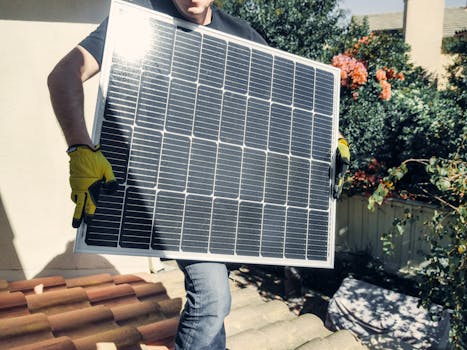
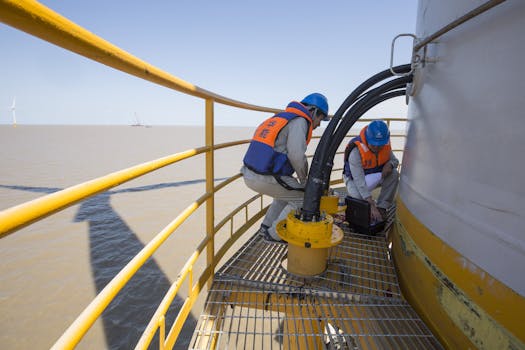
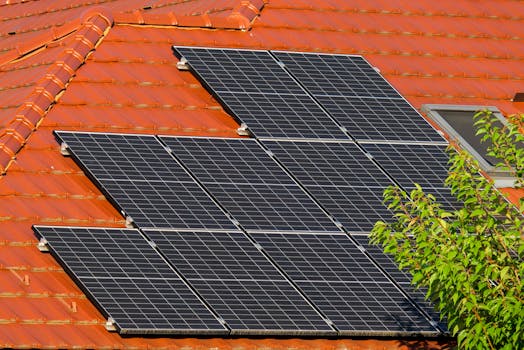
Imagine a world powered by the sun, wind, and water! A Renewable Energy Technician helps make this happen. They are hands-on experts who install, maintain, and fix equipment that creates clean electricity, like solar panels on roofs, giant wind turbines, or systems that use water power. Their job involves working outdoors, often at heights or in different weather conditions, to ensure everything is running smoothly and efficiently. They might use special tools to test equipment, read technical drawings, and troubleshoot problems to keep the energy flowing. This career is all about practical skills and problem-solving. You would learn how to work safely with electricity, understand how different renewable energy systems work, and perform regular checks to prevent breakdowns. It is a really important job because it helps the UK produce energy that is better for our planet, reducing pollution and making sure we have power for the future. If you like working with your hands, solving puzzles, and want to help create a greener world, then becoming a Renewable Energy Technician could be a brilliant path for you!

Renewable Energy Technician

Flag Media

Please select a reason for flagging this content.

📊 Statistics

Average Starting Salary

For someone just starting out as a Renewable Energy Technician in the UK, you might expect to earn around 20,000 to 25,000 pounds per year. This can grow as you gain more experience.

Experienced Salary Range

With a few years of experience, a Renewable Energy Technician in the UK could earn between 30,000 and 45,000 pounds annually. Highly experienced or specialised technicians can earn more.

Job Growth Outlook

The renewable energy sector in the UK is growing very quickly, with lots of new jobs expected in the coming years as the country aims for cleaner energy. This means good opportunities for future technicians.

🚀 Careers in this path

Flag Media

Please select a reason for flagging this content.

Wind Turbine Technician

Imagine working on giant windmills that make clean electricity! You'd help build them, fix them, and make sure they're always spinning to power our homes.

Flag Media

Please select a reason for flagging this content.

Solar Panel Installer

This is like being a superhero for the sun! You'd put special panels on roofs and in fields that capture sunlight and turn it into electricity for buildings and towns.

Flag Media

Please select a reason for flagging this content.

Hydroelectric Plant Operator

Think of big dams and rivers! You'd help manage machines that use flowing water to create electricity. It's all about harnessing the power of water to make clean energy.

Build Your Foundations

Ace Your Science & Maths

Focus on your Science (especially Physics) and Maths lessons at school. These subjects are super important for understanding how renewable energy works and for the calculations needed in the job.

Understanding electricity, forces, and basic engineering principles taught in Physics will be invaluable. Maths skills, particularly algebra and geometry, are used for designing layouts, calculating energy output, and troubleshooting systems. Try to get good grades in these subjects as they will open doors to further education and training.

Explore Practical Skills

Get involved in D&T (Design & Technology) or any practical subjects. Learning how to use tools safely and build things will give you a head start.

Practical experience, even from school projects, helps develop problem-solving skills and hand-eye coordination. Look for opportunities to work with your hands, whether it's building models, fixing bikes, or helping with DIY projects at home. These skills are fundamental for installation and maintenance tasks.

Research Renewable Energy

Learn more about different types of renewable energy, like solar panels and wind turbines. Watch documentaries, read articles, and visit websites about green energy.

Knowing the different technologies, such as solar photovoltaic (PV), solar thermal, wind power, hydropower, and biomass, will help you understand the industry. Research local renewable energy projects or companies to see what's happening near you. This background knowledge will make your training much easier and more interesting.

Gain Qualifications

Choose Your Path After School

After your GCSEs, you have a few options: A-levels, a vocational college course (like a BTEC), or an apprenticeship. All can lead you to a career in renewable energy.

If you choose A-levels, consider subjects like Physics, Maths, and potentially Design & Technology. A BTEC in Engineering or Electrical/Electronic Engineering is a fantastic practical route, providing hands-on experience and industry-recognised qualifications. Apprenticeships combine working for an employer with studying, allowing you to earn money while learning on the job.

Consider a College Course

Look for college courses in Electrical Installation, Engineering, or specific Renewable Energy technologies. These courses give you lots of practical skills and knowledge.

Many further education colleges offer Level 2 and Level 3 courses that are highly relevant. Examples include BTEC National Diploma in Engineering, City & Guilds in Electrical Installation, or even specialised courses in Renewable Energy Systems. These qualifications are often preferred by employers and provide a strong foundation for technical roles.

Explore Apprenticeships

Apprenticeships are a brilliant way to learn on the job! You'd work for a company, get training, and earn a wage while working towards a qualification.

Search for 'Renewable Energy Technician Apprenticeship' or 'Electrical Apprenticeship' roles. These can last 2-4 years and give you direct industry experience, mentorship from experienced technicians, and an industry-recognised qualification. It's a highly practical route and often leads directly to employment with the company you trained with.

Start Your Career

Get Certified

Once you have your core qualifications, you'll need specific certifications for working with different renewable energy systems, like solar panels (MCS certification for installers).

Depending on the type of renewable energy you specialise in, you will need industry-specific certifications. For solar PV, this often includes qualifications related to the Microgeneration Certification Scheme (MCS). For electrical work, you'll need to demonstrate competency in electrical safety regulations. Your apprenticeship or college course will often cover these or guide you on how to obtain them.

Find Your First Job

Look for entry-level positions or junior technician roles with companies that install or maintain renewable energy systems.

Start by searching on job boards, company websites, and through recruitment agencies specialising in the energy sector. Your college or apprenticeship provider might also have connections to employers. Be prepared to start in a supportive role, assisting experienced technicians, and gradually taking on more responsibility as you gain confidence and expertise.

Keep Learning & Specialise

The renewable energy world is always changing! Keep up to date with new technologies and consider specialising in one area, like wind turbines or battery storage.

Attend workshops, industry events, and further training courses to expand your skills. You might choose to become an expert in offshore wind, ground source heat pumps, or smart grid technologies. Continuous professional development is key to staying competitive and advancing your career in this fast-growing field.

🎬 Useful Videos

🎯 View Apprenticeships

Explore relevant apprenticeships that can help you kickstart your career in Renewable Energy Technician. Apprenticeships offer hands-on experience and training while earning a wage.

Career Progressions

This page showcases various career options and the pathways to reach them. Each career listed here shares transferable skills and knowledge, making it easier for individuals to transition between them.

Your current career is highlighted to help you see how it fits into the broader landscape of potential career choices. By clicking on any career, you can learn more about it, including the training and education required to pursue it.

Remember, progressing in your career often involves further learning and training. This page provides insights into future career options as well as those that can lead up to your current one.

These career progression decisions are informed by comparing the skills and knowledge needed for different occupations, along with data on how people move between them. Explore the possibilities and discover the exciting journey ahead in your career!

Sample Qualifications

A Renewable Energy Technician's primary duties often involve the installation, maintenance, and repair of renewable energy systems. Given the options, 'Wind turbine technician' is the closest practical match as wind energy is a major component of the renewable energy sector, and this role specifically involves hands-on technical work on such systems, aligning with the 'technician' aspect of the input career.

How to become

You can get into this job through:

  • a university course
  • a college course
  • an apprenticeship
  • applying directly

University

You could do a foundation degree, higher national diploma or degree in:

  • renewable energy engineering
  • electrical or mechanical engineering
  • electrical power engineering

It might give you an advantage if your course includes the opportunity to get work experience through summer internships or a year in industry.

Entry requirements

You'll usually need:

  • 1 or 2 A levels, or equivalent, for a foundation degree or higher national diploma
  • 2 to 3 A levels, or equivalent, for a degree

More Information

College

You could do a college course, which could help you to get a trainee job with a wind turbine engineering company.

Courses include:

  • electrical and electronic engineering
  • mechanical engineering technology
  • T Level in Maintenance, Installation and Repair for Engineering and Manufacturing

Entry requirements

Entry requirements for these courses vary.

  • 4 or 5 GCSEs at grades 9 to 4 (A* to C), or equivalent, including English and maths for a T Level

More Information

Apprenticeship

You could apply to do a Level 3 Advanced Apprenticeship, such as:

  • Maintenance Operations Engineering Technician
  • Engineering Technician
  • Engineering Maintenance Technician

These can take between 3 and 4 years to complete.

Entry requirements

You'll usually need:

  • 5 GCSEs at grades 9 to 4 (A* to C), or equivalent, including English and maths, for an advanced apprenticeship

More Information

Direct Application

You can apply directly for jobs if you've got qualifications and experience in electrical or mechanical engineering from another industry, or from the armed forces.

More Information

Career tips

Companies are predicted to need more wind turbine technicians in the future as industries move towards using renewable energy sources.

Further information

You can find out more about working in the renewable energy industry from RenewableUK and Energy & Utilities Careers & Jobs.

Interested in More Career Paths?

Explore other careers or use our AI to discover personalised paths based on your interests.

Stay connected

Join our newsletter to stay up to date on features and releases

Address
Developing Experts Limited
Exchange Street Buildings
35-37 Exchange Street
Norwich
NR2 1DP
UK

Phone
01603 273515

Email
[email protected]

Copyright 2026 Developing Experts, All rights reserved.