Creating Career Path...

Finding Further Careers...

Metal Machining Setter and Setter Operator

View this career for different education levels:

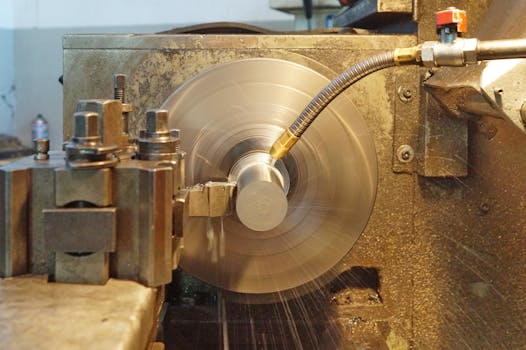
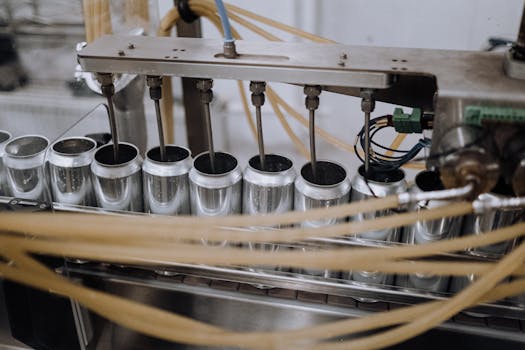
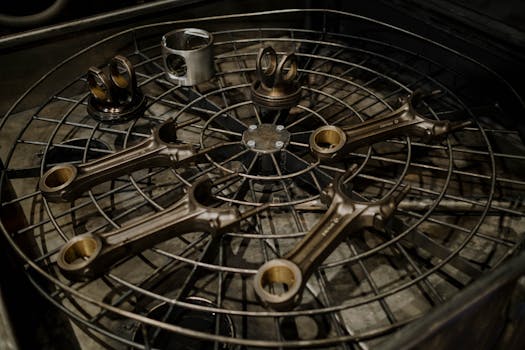
A Metal Machining Setter and Setter Operator plays a crucial role in the manufacturing industry, responsible for preparing, operating, and maintaining machine tools that cut, shape, and form metal components. This involves understanding engineering drawings and specifications, selecting the correct tooling and materials, and then programming or adjusting machines such as lathes, milling machines, grinders, or Computer Numerical Control (CNC) machines. The 'setter' aspect means they configure the machines for specific tasks, including loading programs, setting up workpieces, and ensuring all parameters are correct before production begins. The 'operator' aspect involves overseeing the machining process, monitoring machine performance, making adjustments as needed, and performing quality checks on the finished products to ensure they meet precise tolerances and standards. It requires a keen eye for detail, strong problem-solving skills, and a solid understanding of engineering principles and safety procedures. This career path demands practical aptitude and a methodical approach. You'll often work with complex machinery, interpreting technical blueprints and using various measurement tools to ensure accuracy. Quality control is paramount, as even tiny deviations can impact the functionality of the final product. Many roles require familiarity with CNC programming, either setting up existing programs or making minor edits. The work environment is typically a workshop or factory floor, which can sometimes be noisy, and adherence to health and safety regulations is always a top priority. Continuous learning is also common, as technology in machining advances rapidly, meaning operators often train on new machinery and techniques.

Metal Machining Setter and Setter Operator

Flag Media

Please select a reason for flagging this content.

📊 Statistics

Average Salary Range

For an experienced Metal Machining Setter and Setter Operator in the UK, the average salary typically ranges from GBP 25,000 to GBP 35,000 per year. Entry-level positions might start around GBP 20,000, while highly skilled or specialist roles can command up to GBP 40,000 or more.

Number of Positions

While precise real-time numbers fluctuate, job boards commonly list hundreds of open positions across the UK for roles such as CNC Machinists, Setters, and Operators, reflecting a steady demand in the manufacturing and engineering sectors for skilled individuals.

Working Hours

The typical working week is around 39-40 hours, Monday to Friday. However, due to the nature of manufacturing, shift work (early, late, night) and weekend work are common, often compensated with enhanced pay rates.

🚀 Careers in this path

Flag Media

Please select a reason for flagging this content.

CNC Programmer

Develops and writes programmes for Computer Numerical Control (CNC) machines used in metal machining. This role involves more technical drawing and software skills than solely operating, and often requires a deeper understanding of machining processes and toolpaths.

Flag Media

Please select a reason for flagging this content.

Toolmaker

Designs, fabricates, and repairs precision tools, jigs, fixtures, and dies used in manufacturing and metalworking. This is a highly skilled craft that builds on machining fundamentals but requires exceptional precision, problem-solving, and often manual machining expertise.

Flag Media

Please select a reason for flagging this content.

Manufacturing Engineer

Optimises production processes and systems within a manufacturing environment. This role often involves improving efficiency, quality control, and implementing new technologies, building on practical machining experience with an academic or engineering qualification.

Foundation and Apprenticeship

Gain Foundational Knowledge

Start by acquiring fundamental knowledge in engineering principles, mathematics, and material science, which are crucial for understanding metal machining processes.

Consider pursuing relevant Level 2 or Level 3 qualifications, such as a BTEC National Diploma in Engineering or an NVQ in Performing Engineering Operations (PEO). These courses provide a solid theoretical base in areas like engineering drawings, workshop safety, and basic machining techniques, preparing you for more hands-on training. Many colleges across the UK offer these programmes, often incorporating practical workshop experience.

Secure an Apprenticeship

The most effective route into this career is often through an engineering apprenticeship, combining practical work experience with structured learning.

Look for Level 2 or Level 3 Engineering Operative or Machining Technician apprenticeships. These typically last 2-4 years and involve working for an engineering or manufacturing company while also attending college or a training provider one day a week. Apprenticeships offer invaluable on-the-job training, allowing you to learn from experienced professionals, develop practical skills on real machinery, and earn a wage simultaneously. Check websites like GOV.UK's 'Find an apprenticeship' service or directly approach local engineering firms.

Develop Core Machining Skills

During your apprenticeship or initial training, focus on mastering the practical skills required for setting and operating various metal machining tools.

This includes hands-on experience with manual lathes, milling machines, grinders, and crucially, Computer Numerical Control (CNC) machines. You will learn to read and interpret engineering drawings, select appropriate cutting tools, set up workpieces, understand machine controls, perform measurements using precision instruments (e.g., callipers, micrometres), and troubleshoot minor issues. Safety procedures and maintaining machine tools will also be key parts of your training.

Specialisation and Advanced Skills

Master CNC Programming and Operation

Advance your skills by specialising in CNC machinery, which is widely used in modern manufacturing, including programming, setting, and operation.

Gain proficiency in writing, editing, and debugging CNC programs using G-code and M-code, or by using CAD/CAM software to generate tool paths. Understand how to select appropriate tooling, optimise cutting parameters, and perform complex setups on multi-axis CNC machines. Many employers will offer internal training, or you could pursue specialist short courses in advanced CNC machining or specific control systems (e.g., Fanuc, Siemens) through external providers.

Develop Advanced Setting Techniques

Become proficient in quickly and accurately setting up machines for different jobs, minimising downtime and ensuring precision.

This involves developing an in-depth understanding of fixtures, jigs, work holding devices, and tool presetting. You'll learn to anticipate potential issues during setup, calibrate machines with high accuracy, and perform first-off inspections to verify setup correctness. Experience with quick-change tooling systems and automated setups will be highly valuable, contributing significantly to productivity and quality control within a manufacturing environment.

Focus on Quality Control and Metrology

Refine your abilities in inspecting machined components to ensure they meet tight tolerances and quality standards.

Become an expert in using a wide range of precision measuring equipment, including vernier callipers, micrometres, bore gauges, height gauges, and potentially Coordinate Measuring Machines (CMMs). Understand statistical process control (SPC) and how to interpret engineering tolerances and geometric dimensioning and tolerancing (GD&T). Your role will involve performing regular in-process and final inspections, identifying defects, and implementing corrective actions to maintain product quality.

Career Progression and Leadership

Gain Senior or Lead Operator Experience

Take on more responsibility by leading a small team, mentoring junior colleagues, and overseeing production runs.

In this role, you'd typically be responsible for allocating tasks, monitoring machine performance across multiple units, troubleshooting complex issues that arise during production, and ensuring that daily production targets are met efficiently and to specification. You would act as a primary point of contact for technical queries and assist in the training and development of new setters and operators, honing your leadership and problem-solving skills.

Pursue Continuous Professional Development

Stay updated with new machining technologies, materials, and industry best practices through ongoing learning.

This could involve attending manufacturer-specific training courses for new machine tools or control systems, learning about advanced materials like composites or exotic alloys, or undertaking further qualifications in areas such as lean manufacturing or Six Sigma. Keeping your skills current ensures you remain competitive and valuable in a rapidly evolving industry, opening doors to more specialised or supervisory roles. Industry events and trade shows are also excellent for networking and learning about innovations.

Explore Supervisory or Management Roles

With extensive experience and proven leadership, consider moving into a supervisory or production management position.

Roles like Production Team Leader, Workshop Supervisor, or Manufacturing Engineer often require a deep understanding of machining processes, excellent organisational skills, and the ability to manage people and resources effectively. These positions involve planning production schedules, managing budgets, optimising workflow, implementing continuous improvement initiatives, and ensuring adherence to health and safety regulations. Further qualifications in management or industrial engineering might be beneficial at this stage.

🎬 Useful Videos

🎯 View Apprenticeships

Explore relevant apprenticeships that can help you kickstart your career in Metal Machining Setter and Setter Operator. Apprenticeships offer hands-on experience and training while earning a wage.

Career Progressions

This page showcases various career options and the pathways to reach them. Each career listed here shares transferable skills and knowledge, making it easier for individuals to transition between them.

Your current career is highlighted to help you see how it fits into the broader landscape of potential career choices. By clicking on any career, you can learn more about it, including the training and education required to pursue it.

Remember, progressing in your career often involves further learning and training. This page provides insights into future career options as well as those that can lead up to your current one.

These career progression decisions are informed by comparing the skills and knowledge needed for different occupations, along with data on how people move between them. Explore the possibilities and discover the exciting journey ahead in your career!

Sample Qualifications

The provided list of job titles is very limited and none directly align with 'Metal Machining Setter and Setter Operator'. Among the given options, 'Print operator' is the only role that involves operating and setting up machinery, albeit in a different industry (printing vs. metal machining). This is the closest conceptual match for an 'operator' and 'setter' role, despite the industry mismatch.

How to become

You can get into this job through:

  • a college course
  • an apprenticeship
  • working towards this role
  • applying directly
  • training with a professional body

College

You could do a college course, which would teach you some of the skills and knowledge you need in this job. 

Courses include:

  • printmaking
  • reprographics
  • understanding the print working environment

Entry requirements

Entry requirements for these courses vary.

More Information

Apprenticeship

You could apply to do a print industry apprenticeship with a printing company. For example:

  • Print Operative Level 2 Intermediate Apprenticeship
  • Print Technician Level 3 Advanced Apprenticeship

These apprenticeships can take between 2 and 3 years to complete. They combine training on the job and time spent with a learning provider.

Entry requirements

You'll usually need:

  • some GCSEs, usually including English and maths, or equivalent, for an intermediate apprenticeship
  • 5 GCSEs at grades 9 to 4 (A* to C), or equivalent, including English and maths, for an advanced apprenticeship

More Information

Work

You could start as a print room or reprographics assistant and become a print operator or technician through on-the-job training and promotion.

Direct Application

You'll need a good general standard of education to apply directly for printing jobs. GCSEs in maths, English, art and IT may give you an advantage when looking for work. Some employers may ask for A levels or equivalent qualifications.

Other Routes

You can do printing, packaging and graphic communications courses through the British Printing Industries Federation.

More Information

Career tips

A working knowledge of desktop publishing software will be useful, though not essential, as you will receive training from your employer.

Further information

You can find out more about printing careers from the British Printing Industries Federation.

Interested in More Career Paths?

Explore other careers or use our AI to discover personalised paths based on your interests.

Stay connected

Join our newsletter to stay up to date on features and releases

Address
Developing Experts Limited
Exchange Street Buildings
35-37 Exchange Street
Norwich
NR2 1DP
UK

Phone
01603 273515

Email
[email protected]

Copyright 2026 Developing Experts, All rights reserved.