Imagine you are building something amazing out of metal, like parts for a car, an aeroplane, or even a washing machine. A Metal Machining Setter and Setter Operator is like a very clever builder who uses big, special machines to cut and shape metal perfectly. They are the ones who make sure the machines are set up just right, like tuning a guitar before playing a song. They tell the machine what to do so it can create exactly the right shape and size from a big piece of metal. They might use different tools to measure things very carefully and make sure everything is perfect. This job involves a lot of concentration and problem-solving. You need to understand how the machines work and what different metals do when you cut them. Sometimes, you might even have to fix a machine if it goes wrong. It's a job where you get to make real things that are used all around us every day. You could be working in a big factory making thousands of parts or in a smaller workshop making special, one-off items. It's a very hands-on role where you use both your brain and your practical skills.
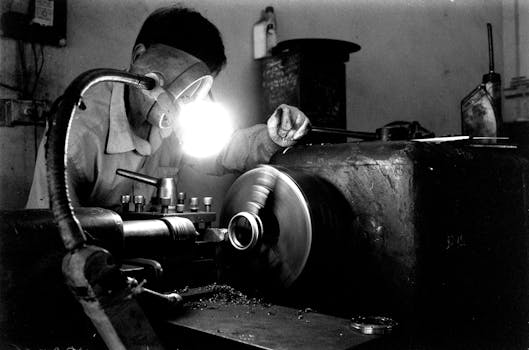
When you first start working as a Metal Machining Setter and Setter Operator in the UK, you might expect to earn around 20,000 to 24,000 pounds a year. As you get more experienced, this can go up a lot
For someone with more experience in this job in the UK, the salary can often be between 28,000 and 35,000 pounds a year. Some very skilled operators can earn even more
There are usually thousands of job openings for people who work with machines and metals across the UK each year, showing it's a job that lots of companies need. This job is important in many factories
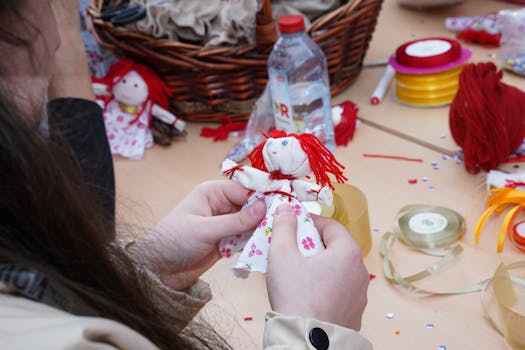
Imagine you have a big workshop, like a grown-up's shed, and you use special tools to shape wood and metal to make amazing toys for other children to play with. You could make spinning tops, toy cars, or even little robots!
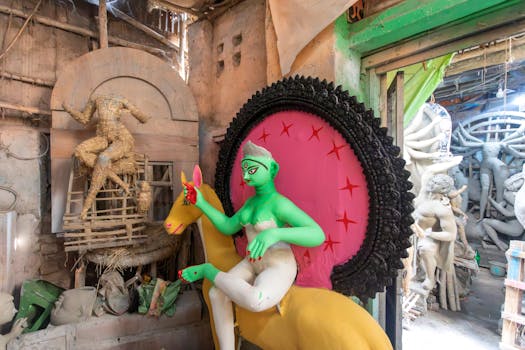
This is like being a tiny architect or engineer! You use small tools and your clever hands to build very detailed, tiny versions of real things, like little trains, aeroplanes, or even miniature houses. It's all about being very precise and making everything fit perfectly.
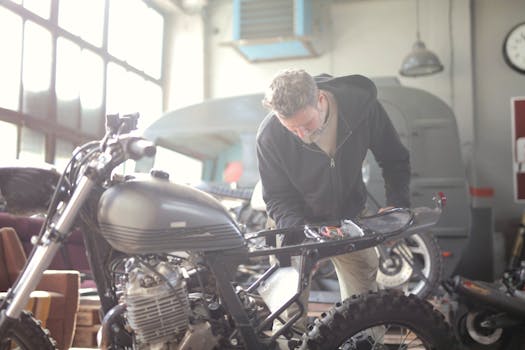
Do you love bikes? As a custom bike builder, you get to choose special metal pieces and use tools to put them together to create unique, super cool bikes that nobody else has. You make sure all the parts fit just right and the bike rides perfectly for its owner.
Start by exploring how different machines and tools work at home or in school. Ask lots of questions!
When you're at primary school, pay attention in Design and Technology lessons. Try building things with construction toys like LEGO Technic or Meccano. See if you can visit a local museum with old machines to understand how they made things in the past. Always be curious about how things are made and what makes them tick!
Maths helps you understand measurements and shapes, and science helps you understand materials.
Doing well in Maths is super important because you'll need to measure things accurately and understand numbers for machine settings. Science, especially understanding different types of metals and how they behave, will also be very helpful. Try to enjoy these subjects at school, as they are the building blocks for many exciting jobs!
This job needs you to be very precise, so practice being accurate in your schoolwork and games.
Whether you're drawing a picture, building a model, or even playing a game that needs careful movements, practice being precise. In this job, even a tiny mistake can make a big difference, so it's good to get into the habit of being accurate and double-checking your work from a young age.
Pick subjects like Design and Technology, Engineering, or Resistant Materials when you're older.
When you go to secondary school, you'll get to choose some subjects. Look out for ones like Design and Technology (DT), which often involves making things and learning about materials, or specific Engineering or Resistant Materials courses if your school offers them. These subjects will give you practical skills and a better understanding of how products are designed and made.
If you can, try to visit a factory or do some work experience to see the machines in action.
As you get older, ask your parents or teachers if there are any local factories or engineering workshops that offer visits or work experience programmes. Seeing real machines making real parts can be incredibly exciting and help you understand what the job is truly like. It's a great way to see if you really enjoy the environment and the work.
An apprenticeship lets you learn on the job while also studying, earning money at the same time!
After secondary school, a great way to become a Metal Machining Setter and Setter Operator is through an apprenticeship. This means you'll work for a company, learning from experienced people every day, and also go to college part-time to get qualifications. You get paid while you learn, and it's a brilliant way to get hands-on experience and become really good at the job.
Get good at using various metalworking machines, like lathes and milling machines.
Once you're in an apprenticeship or a job, you'll learn how to operate many different types of machines, like lathes that spin metal to shape it, and milling machines that cut away bits of metal. The more types of machines you can operate safely and correctly, the more skilled you will become. Always listen carefully to your trainers and ask questions.
Learn how to 'set up' the machines, which means getting them ready to make a specific part.
Setting up a machine is like getting all the ingredients and tools ready before you start baking. You'll learn how to put the right cutting tools in, adjust the machine's settings, and make sure everything is perfect before the metal starts being shaped. This takes lots of practice and a good eye for detail to ensure the parts are made exactly right.
Technology changes, so always be ready to learn about new machines and ways of working.
The world of manufacturing is always getting new and exciting machines, like ones that are controlled by computers (called CNC machines). To stay a brilliant operator, you'll need to keep learning about these new technologies and update your skills. Companies often offer training courses, so always say 'yes' to opportunities to learn more and become even better at your job!
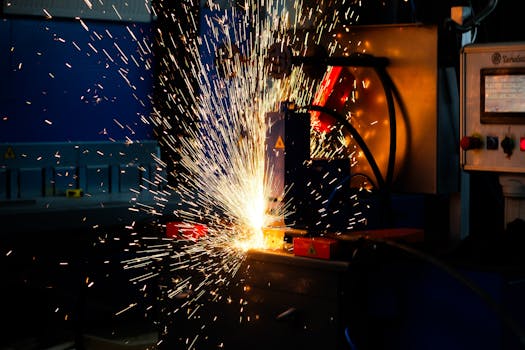
A Welder joins pieces of metal together using very hot tools, like using super-strong glue that melts metal. They might weld parts that the Metal Machining Setter has made.
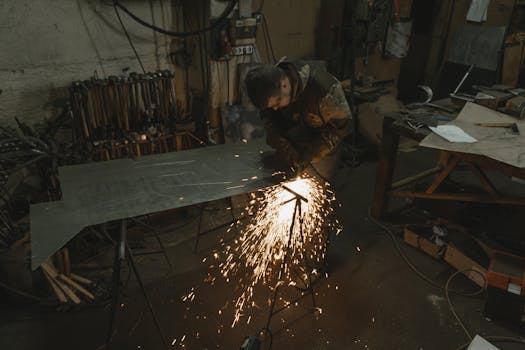
A Fabricator takes different pieces of metal and puts them together to create a larger structure or product, like building a metal frame for a bicycle or a big sign.
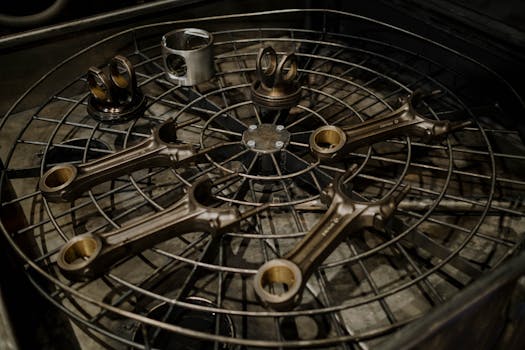
A Maintenance Engineer is like a doctor for machines. They fix machines when they break down and make sure they are always working properly and safely, including the machines that Metal Machining Setters use.
Explore relevant apprenticeships that can help you kickstart your career in Metal Machining Setter and Setter Operator. Apprenticeships offer hands-on experience and training while earning a wage.
This page showcases various career options and the pathways to reach them. Each career listed here shares transferable skills and knowledge, making it easier for individuals to transition between them.
Your current career is highlighted to help you see how it fits into the broader landscape of potential career choices. By clicking on any career, you can learn more about it, including the training and education required to pursue it.
Remember, progressing in your career often involves further learning and training. This page provides insights into future career options as well as those that can lead up to your current one.
These career progression decisions are informed by comparing the skills and knowledge needed for different occupations, along with data on how people move between them. Explore the possibilities and discover the exciting journey ahead in your career!
Explore other careers or use our AI to discover personalised paths based on your interests.
Address
Developing Experts Limited
Exchange Street Buildings
35-37 Exchange Street
Norwich
NR2 1DP
UK
Phone
01603 273515
Email
[email protected]
Copyright 2026 Developing Experts, All rights reserved.

Unlock expert-designed lessons, resources, and assessments tailored for educators. No credit card required.
Claim Your Free Trial →
