
Creating Career Path...

Finding Further Careers...

Metalworking Production and Maintenance Fitter

View this career for different education levels:

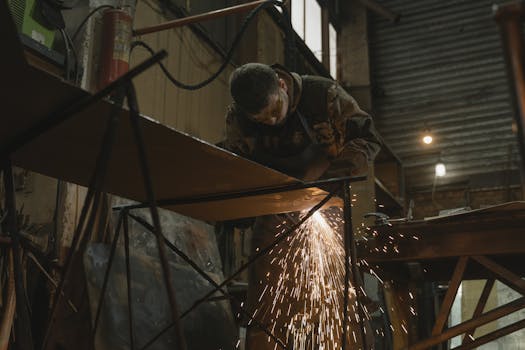
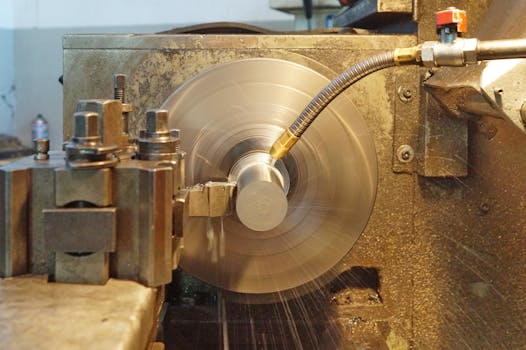
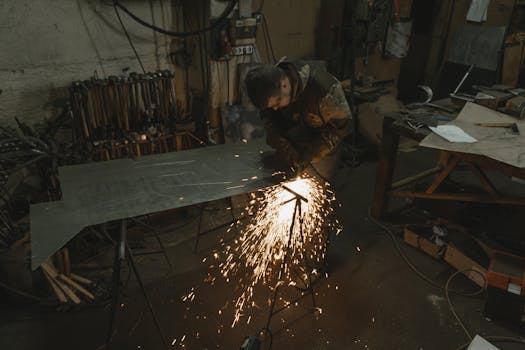
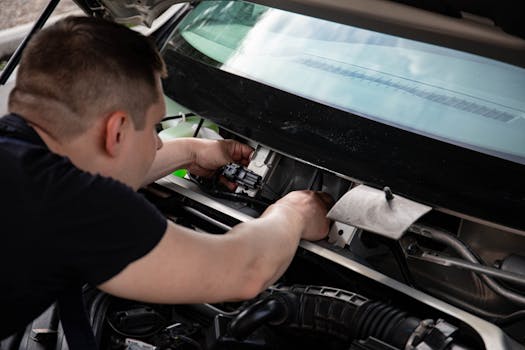
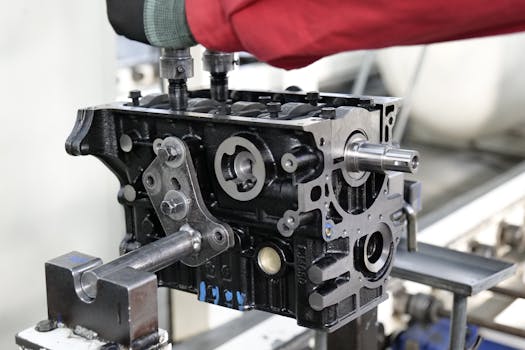
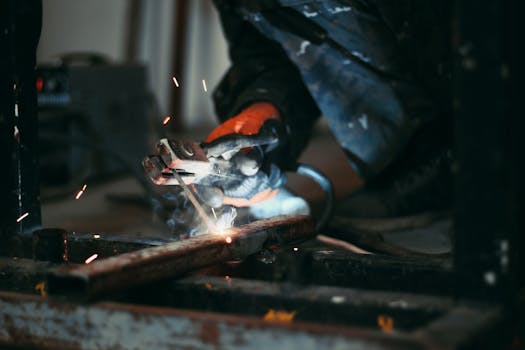
A Metalworking Production and Maintenance Fitter plays a crucial role in the manufacturing and engineering sectors across the UK. This career involves a blend of hands-on mechanical skills and problem-solving abilities. On the production side, fitters are responsible for assembling complex machinery, equipment, and components, often working from detailed engineering drawings and specifications. This could involve everything from preparing materials, cutting, shaping, and joining metal parts using various techniques like welding, riveting, or bolting, to ensuring precise alignment and functionality of finished products. They ensure that manufacturing processes run smoothly by building and setting up the necessary tools and jigs. Beyond production, a significant part of the role involves maintenance. This means inspecting, diagnosing faults, repairing, and maintaining existing machinery and plant equipment to prevent breakdowns and minimise downtime. This can include anything from hydraulic and pneumatic systems to gearboxes, pumps, and conveyor belts. Fitters must be adept at using a wide range of hand tools, power tools, and precision measuring equipment. The role demands meticulous attention to detail, a strong understanding of mechanical principles, and a commitment to health and safety regulations. It is a vital position for industries ranging from aerospace and automotive to food processing and heavy engineering, ensuring operational efficiency and product quality.

Metalworking Production and Maintenance Fitter

Flag Media

Please select a reason for flagging this content.

📊 Statistics

Average Salary Range

For a Metalworking Production and Maintenance Fitter in the UK, the starting salary for an apprentice or junior role might be around 20,000 to 24,000 pounds. Experienced fitters can expect to earn between 28,000 to 38,000 pounds annually, with highly skilled or supervisory roles potentially exceeding 40,000 pounds, especially in specialised industries or with overtime.

Number of Positions / Demand

The engineering and manufacturing sectors in the UK consistently require skilled fitters. While precise figures for this specific role can fluctuate, it falls under the broader category of 'Skilled Metal, Electrical and Electronic Trades'. The Office for National Statistics (ONS) reported approximately 140,000 people employed in 'Metal Machinists, Toolmakers and Related Trades' as of recent data, indicating a substantial job market with ongoing demand, particularly for those with versatile skills and experience in modern manufacturing techniques.

Typical Working Hours

Most Metalworking Production and Maintenance Fitter roles are full-time, typically 37-40 hours per week. However, due to the nature of production and maintenance, shift work, on-call duties, and overtime are common, especially in industries that operate 24/7 or where urgent repairs are critical to production continuity.

🚀 Careers in this path

Flag Media

Please select a reason for flagging this content.

CNC Machinist Programmer

Specialises in operating and programming Computer Numerical Control (CNC) machines to cut, shape, and finish metal components with high precision. This role involves interpreting technical drawings, setting up machinery, and writing or editing G-code programs.

Flag Media

Please select a reason for flagging this content.

Welding and Fabrication Engineer

Focuses on designing, planning, and overseeing welding and fabrication processes for metal structures and components. This often includes advanced welding techniques, quality control, and ensuring structural integrity, suitable for bespoke projects or complex builds.

Flag Media

Please select a reason for flagging this content.

Industrial Maintenance Technician

Responsible for the preventative and reactive maintenance of a wider range of industrial machinery, including hydraulic, pneumatic, and electrical systems, often beyond just metalworking equipment. This role typically involves fault finding, repair, and commissioning of complex production lines.

Build a Strong Foundation

Achieve Relevant Qualifications

Obtain GCSEs (or equivalent) in subjects like Maths, English, Science (Physics or Engineering Science preferred), and Design & Technology.

These subjects provide a crucial academic base for understanding engineering principles, technical drawings, and problem-solving. Strong GCSE grades will enhance your application for further education or apprenticeships. Some colleges may also require a specific number of GCSEs at grades 4-9 (A*-C).

Consider Further Education

Explore Level 2 or Level 3 BTEC or NVQ qualifications in Engineering, Mechanical Engineering, or a related field.

These vocational qualifications offer practical skills and theoretical knowledge directly applicable to a fitter's role. A Level 3 qualification is often a prerequisite for many advanced apprenticeships or entry-level positions. Look for courses that include hands-on workshop experience with tools and machinery.

Develop Practical Skills

Engage in hobbies or projects that involve mechanical assembly, repair, or fabrication to gain initial hands-on experience.

This could involve working on bikes, cars, electronics, or even DIY projects around the house. Any experience that involves using tools, following instructions, and understanding how things fit together will be beneficial. It demonstrates initiative and a genuine interest in mechanical work, which employers value.

Gain Industry Experience

Undertake an Apprenticeship

Apply for an Advanced or Higher Apprenticeship in Mechanical Engineering, Maintenance Engineering, or a Fitter role.

Apprenticeships are an excellent route, combining on-the-job training with formal education, often leading to an NVQ Level 3 or higher. You'll learn from experienced professionals, gain practical skills, and earn a wage. Look for apprenticeships specifically focused on metalworking or manufacturing environments to get relevant exposure.

Seek Entry-Level Positions

Look for trainee or assistant fitter roles, or jobs in manufacturing plants that involve operating machinery or basic maintenance tasks.

Even if not a direct 'fitter' role, positions that involve exposure to a factory environment, operating machinery, or assisting skilled tradespeople can provide invaluable experience. It allows you to understand industrial processes, safety regulations, and the pace of production, building a solid foundation for your career.

Volunteer or Intern

Consider volunteering or interning with local engineering firms or workshops to gain insight and practical exposure.

While not always paid, volunteering or internships can provide access to tools, machinery, and experienced mentors that you might not otherwise encounter. It's a great way to network, demonstrate your commitment, and potentially open doors to paid employment or future opportunities within the industry.

Specialise and Advance

Develop Specialised Skills

Focus on developing expertise in specific areas such as hydraulics, pneumatics, welding, precision machining, or CNC operations.

Many fitters specialise in particular aspects of maintenance or production. Gaining certifications or further training in areas like hydraulic systems repair, advanced welding techniques, or operating specific types of machinery will make you a more valuable asset and open up more specialised roles. This can often be done through short courses or company-funded training.

Pursue Continuous Professional Development

Stay updated with new technologies, machinery, and industry best practices through courses, workshops, and industry publications.

The manufacturing and engineering sectors are constantly evolving. Regular training on new equipment, safety standards, and lean manufacturing principles is crucial for career progression. Attending industry events or joining professional bodies like the IMechE can also provide networking opportunities and access to cutting-edge information.

Aim for Senior Roles

Work towards becoming a Senior Fitter, Team Leader, or Maintenance Supervisor, taking on more responsibility and mentoring junior staff.

With experience and proven reliability, you can progress into leadership positions. This involves not only technical expertise but also strong organisational, problem-solving, and communication skills. Taking on leadership responsibilities, such as managing maintenance schedules or overseeing projects, will demonstrate your readiness for advancement.

🎬 Useful Videos

🎯 View Apprenticeships

Explore relevant apprenticeships that can help you kickstart your career in Metalworking Production and Maintenance Fitter. Apprenticeships offer hands-on experience and training while earning a wage.

Career Progressions

No career progressions found for Metalworking Production and Maintenance Fitter

Sample Qualifications

The user's input 'Metalworking Production and Maintenance Fitter' directly includes 'Maintenance Fitter', indicating a primary focus on maintaining machinery and equipment, which aligns perfectly with the duties of a Maintenance Fitter.

How to become

You can get into this job through:

  • a college course
  • an apprenticeship
  • working towards this role
  • applying directly

College

You could take a college course to learn some of the skills you'll need in this job. 

Relevant subjects include:

  • engineering
  • mechanical or electrical engineering
  • fabrication and welding
  • T Level in Maintenance, Installation and Repair for Engineering and Manufacturing

Entry requirements

Entry requirements for these courses vary.

  • 4 or 5 GCSEs at grades 9 to 4 (A* to C), or equivalent, including English and maths for a T Level

More Information

Apprenticeship

You could apply to do an apprenticeship, such as:

  • Engineering and Manufacturing Level 2 Foundation Apprenticeship
  • Engineering Fitter Level 2 Intermediate Apprenticeship
  • Engineering Maintenance Technician Level 3 Advanced Apprenticeship
  • Maintenance Operations Engineering Technician Level 3 Advanced Apprenticeship

Foundation apprenticeship

You can apply for a foundation apprenticeship if you're aged 16 to 21.

If you're aged 22 to 24, you can apply if you:

Entry requirements

You'll usually need:

  • no specific qualifications or experience to apply for a foundation apprenticeship
  • some GCSEs, usually including English and maths, or equivalent, for an intermediate apprenticeship
  • 5 GCSEs at grades 9 to 4 (A* to C), or equivalent, including English and maths, for an advanced apprenticeship

More Information

Work

You could start as an engineering operative or trainee craftsperson and do training on the job to become a fitter.

Direct Application

You can apply directly for maintenance fitter jobs if you've got qualifications and experience in maintenance work, like:

  • mechanical engineering
  • pipefitting
  • welding
  • electrical engineering

More Information

Registration

Further information

You can find more about careers in engineering from the ECITB and Tomorrow's Engineers.

Interested in More Career Paths?

Explore other careers or use our AI to discover personalised paths based on your interests.

Stay connected

Join our newsletter to stay up to date on features and releases

Address
Developing Experts Limited
Exchange Street Buildings
35-37 Exchange Street
Norwich
NR2 1DP
UK

Phone
01603 273515

Email
[email protected]

Copyright 2026 Developing Experts, All rights reserved.