





Creating Career Path...

Finding Further Careers...

Window Fitter

View this career for different education levels:

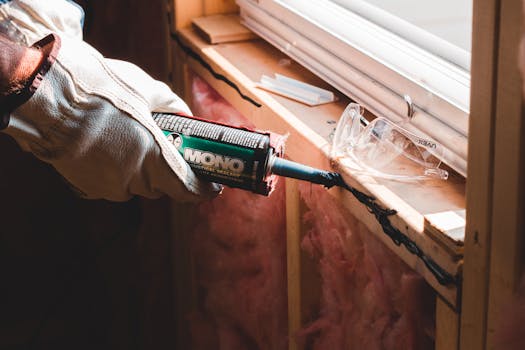
A Window Fitter is a skilled tradesperson responsible for the installation, repair, and replacement of windows, doors, and conservatories in residential, commercial, and industrial properties across the UK. This role is crucial for ensuring buildings are secure, energy-efficient, and aesthetically pleasing. The job involves a variety of tasks, from precise measurement and preparation of openings to the careful fitting and sealing of frames and glass units. Fitters must be proficient in using a range of hand and power tools, adhering to strict health and safety regulations, and working effectively with different materials such as uPVC, aluminium, and timber. They often work as part of a team but must also be capable of independent work, problem-solving on site, and maintaining excellent customer service. Key responsibilities include surveying sites to take accurate measurements, preparing the area by removing old windows and frames, installing new units according to manufacturer guidelines and building regulations, and ensuring a watertight and secure finish. A good understanding of fenestration products, insulation techniques, and relevant British Standards is essential. Communication skills are vital for interacting with clients, explaining the installation process, and ensuring satisfaction with the finished product. Many Window Fitters gain their skills through apprenticeships, on-the-job training, or vocational qualifications, often leading to roles with fenestration companies, construction firms, or self-employment.

Window Fitter

Flag Media

Please select a reason for flagging this content.

📊 Statistics

Average Salary Range (UK)

For an experienced Window Fitter in the UK, the salary typically ranges from 25,000 to 35,000 per year. Entry-level or trainee positions might start around 20,000, while highly experienced fitters or those running their own business could earn significantly more, potentially exceeding 40,000.

Job Outlook and Opportunities

The demand for skilled tradespeople, including Window Fitters, remains steady in the UK. The market is influenced by housing trends, new build construction, and home improvement projects. Online job boards and industry-specific recruitment sites regularly list vacancies, indicating consistent opportunities across the country.

Working Hours

A typical working week for a Window Fitter is around 40 hours, often Monday to Friday. However, project demands or customer needs might occasionally require early starts, late finishes, or weekend work, especially in busier periods or for urgent installations.

🚀 Careers in this path

Flag Media

Please select a reason for flagging this content.

uPVC Window and Door Fabricator

Specialises in the manufacturing and assembly of uPVC windows and doors in a workshop setting, often using machinery and technical drawings. This role focuses on the production side before installation.

Flag Media

Please select a reason for flagging this content.

Architectural Glazier

Focuses on the installation of glass in larger, more complex commercial buildings, curtain walling, or bespoke architectural projects. Requires precision and often involves working with specialised lifting equipment and teams.

Flag Media

Please select a reason for flagging this content.

Conservatory and Orangery Installer

Concentrates on the full construction and installation of conservatories and orangeries, including the base work, frame assembly, roofing, and glazing. This is a broader role than just fitting windows.

Build Foundational Skills

Gain Practical Experience

Start by seeking out entry-level positions or apprenticeships that offer hands-on experience in construction or glazing. This is crucial for learning the basics of tool handling, safety, and site work.

Look for local construction companies, glazing firms, or window installation businesses that might offer trainee roles or work experience. Even unpaid work experience can be incredibly valuable at this stage. You'll learn about different types of windows (UPVC, aluminium, timber), how to use hand tools and power tools safely, and get accustomed to working on site. Health and safety is paramount in this field, so pay close attention to all instructions and regulations.

Consider a College Course

While not always mandatory, a relevant college course can provide a solid theoretical understanding alongside practical skills, making you more attractive to employers.

Look for Level 1 or Level 2 courses in subjects like 'Construction', 'Site Carpentry', or 'Fenestration Installation' at your local further education college. These courses often cover topics such as health and safety in construction, understanding building regulations, basic measurement and calculation skills, and practical techniques for installing windows and doors. They can also help you build a network with tutors and fellow students who might have industry connections.

Develop Key Skills

Focus on honing essential skills like accurate measurement, attention to detail, physical fitness, and good communication, which are vital for a Window Fitter.

Precision in measurement is non-negotiable in this job, as even small errors can lead to significant problems. Practice using tape measures, spirit levels, and laser levels. Develop your problem-solving skills, as you'll often encounter unexpected issues on site. Good physical fitness is important for lifting and carrying windows and tools. Finally, strong communication skills are needed to interact effectively with clients, colleagues, and other tradespeople on a job site.

Specialise and Certify

Undertake an Apprenticeship

An apprenticeship is often the most direct route to becoming a qualified Window Fitter, combining paid work with structured training and recognised qualifications.

Search for 'Fenestration Installer Apprenticeships' or 'Glazing Apprenticeships' on government apprenticeship websites or directly with local window and door installation companies. Apprenticeships typically last 2-3 years and lead to qualifications such as a Level 2 or Level 3 NVQ in Fenestration Installation. You'll learn everything from surveying and preparing sites to installing different window and door types, sealing, and finishing, all under the guidance of experienced professionals. This hands-on learning, combined with college-based theory, provides a comprehensive skill set.

Achieve Industry Qualifications

Gain recognised qualifications that prove your competency and adherence to industry standards, enhancing your employability and professional standing.

The main qualifications to aim for are NVQs (National Vocational Qualifications) in Fenestration Installation at Level 2 or Level 3. These are work-based qualifications assessed on your ability to perform tasks competently in a real working environment. Additionally, obtaining a CSCS (Construction Skills Certification Scheme) card is essential for working on most construction sites in the UK. This requires passing a health, safety, and environment test. Consider specific product training provided by manufacturers for different window systems.

Master Installation Techniques

Continuously refine your practical skills, learning advanced installation techniques and becoming proficient with a wider range of window and door products.

Beyond basic installation, aim to become adept at fitting various types of windows (casement, sash, tilt-and-turn) and doors (bifold, French, composite). Learn about different frame materials (UPVC, aluminium, timber) and their specific installation requirements. Develop your skills in cutting, sealing, and finishing to a high standard, ensuring energy efficiency and weather resistance. Familiarise yourself with different glazing types, such as double and triple glazing, and their handling. Attention to detail in finishing will set you apart.

Advance Your Career

Gain Specialised Expertise

Look for opportunities to specialise in particular areas, such as commercial glazing, historical building renovations, or smart home window systems, to carve out a niche.

Specialising can open up new job opportunities and potentially higher earning potential. For example, working on commercial projects often involves larger, more complex installations and different safety regulations. Restoring windows in listed buildings requires specific knowledge of traditional materials and techniques. As technology evolves, becoming proficient in installing integrated smart window systems, which might include automated blinds or advanced security features, could also be a valuable specialism. Seek out training or work experience in these specific areas.

Supervisory or Management Roles

With sufficient experience and leadership skills, you can progress into roles managing teams, projects, or even overseeing entire installation departments.

Once you have several years of experience and a strong track record, you can aim for roles like Team Leader, Senior Fitter, or Site Supervisor. These positions involve not just fitting, but also planning projects, coordinating teams, managing schedules, ensuring quality control, and communicating with clients. Further qualifications in construction management or leadership might be beneficial. Demonstrating strong problem-solving and organisational skills will be key to moving into these roles.

Start Your Own Business

For those with an entrepreneurial spirit, establishing your own window and door fitting company is a viable progression, offering autonomy and direct control.

Starting your own business requires more than just fitting skills; you'll need to understand business management, marketing, customer service, and financial planning. You'll be responsible for acquiring clients, quoting jobs, managing staff, and ensuring compliance with all legal and industry regulations. Building a strong reputation through excellent workmanship and reliable service will be crucial for success. Consider taking business management courses or seeking advice from business support organisations before taking the leap.

🎬 Useful Videos

🎯 View Apprenticeships

Explore relevant apprenticeships that can help you kickstart your career in Window Fitter. Apprenticeships offer hands-on experience and training while earning a wage.

Career Progressions

This page showcases various career options and the pathways to reach them. Each career listed here shares transferable skills and knowledge, making it easier for individuals to transition between them.

Your current career is highlighted to help you see how it fits into the broader landscape of potential career choices. By clicking on any career, you can learn more about it, including the training and education required to pursue it.

Remember, progressing in your career often involves further learning and training. This page provides insights into future career options as well as those that can lead up to your current one.

These career progression decisions are informed by comparing the skills and knowledge needed for different occupations, along with data on how people move between them. Explore the possibilities and discover the exciting journey ahead in your career!

Sample Qualifications

A Window Fitter's primary role involves installing, repairing, and replacing glass in windows and doors, which directly aligns with the duties of a Glazier. While 'Window fabricator' makes windows, 'Glazier' installs them.

How to become

You can get into this job through:

  • a college course
  • an apprenticeship
  • working towards this role
  • applying directly

College

You could take a college course, which would teach you some of the skills you need to get a job as a trainee with a glazing or window fitting company.

Courses include:

  • construction skills
  • carpentry and joinery

Entry requirements

Entry requirements for these courses vary.

More Information

Apprenticeship

You could apply for a place on a Fenestration Installation Level 2 Intermediate Apprenticeship.

This can take up to 2 years to complete and is a mix of on-the-job training and off-site study.

Entry requirements

You'll usually need:

  • some GCSEs, usually including English and maths, or equivalent, for an intermediate apprenticeship

More Information

Work

You could start work as an assistant to a glazier or window fitter and train on the job, working alongside an experienced tradesperson.

Employers will look for someone with good practical skills and a willingness to learn.

Direct Application

You can apply directly for jobs. There are no set entry requirements, though you'll need maths skills to make measurements and work out dimensions. Employers may ask for GCSEs at grades 9 to 4 (A* to C).

Experience in carpentry, joinery or window manufacturing might also be helpful.

More Information

Registration

Career tips

You may need to travel to other parts of the country for some jobs, especially on commercial and industrial contracts.

Further information

You can find out more about a career as a glazier or window fitter from Go Construct.

Interested in More Career Paths?

Explore other careers or use our AI to discover personalised paths based on your interests.

Stay connected

Join our newsletter to stay up to date on features and releases

Address
Developing Experts Limited
Exchange Street Buildings
35-37 Exchange Street
Norwich
NR2 1DP
UK

Phone
01603 273515

Email
[email protected]

Copyright 2026 Developing Experts, All rights reserved.