



Creating Career Path...

Finding Further Careers...

Window Fitter

View this career for different education levels:

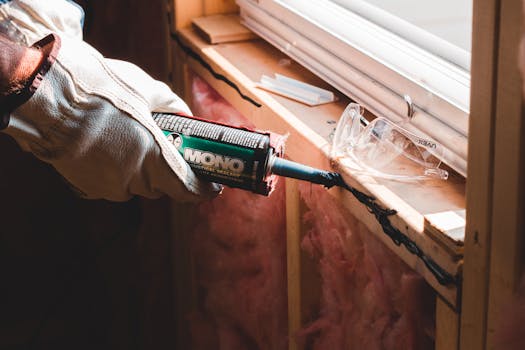
A Window Fitter is someone who installs new windows and doors into homes and other buildings. This job is really important because it helps keep buildings warm, safe, and looking good! You'd be working with different types of windows, like PVC, wood, and aluminium, making sure they fit perfectly into the spaces. This involves carefully measuring, preparing the opening, and then securely fixing the window in place. You also need to make sure everything is sealed properly to prevent drafts and leaks. Being a window fitter means you'll often be working in different locations, sometimes indoors and sometimes outdoors, in all sorts of weather. You need to be good with your hands, able to use tools safely, and have an eye for detail to make sure the finish is neat and tidy. You might work for a company that specialises in windows and doors, or for a general construction company. It's a job where you get to see the results of your hard work every day, improving peoples' homes and helping them save energy.

Window Fitter

Flag Media

Please select a reason for flagging this content.

📊 Statistics

Average Salary Range

In the UK, a window fitter can expect to earn between 20,000 and 35,000 pounds per year. Experienced fitters or those running their own business can earn more.

Job Openings

There are usually hundreds of window fitting jobs advertised across the UK at any given time, showing a steady demand for skilled fitters.

Entry Routes

Around 60% of window fitters enter the profession through an apprenticeship, learning on the job while getting formal training.

🚀 Careers in this path

Flag Media

Please select a reason for flagging this content.

Apprentice Glazier

This is a great starting point where you learn all about cutting, shaping, and fitting different types of glass for windows, doors, and shop fronts. You'd work with experienced glaziers to learn the trade and often go to college part-time.

Flag Media

Please select a reason for flagging this content.

Conservatory Builder

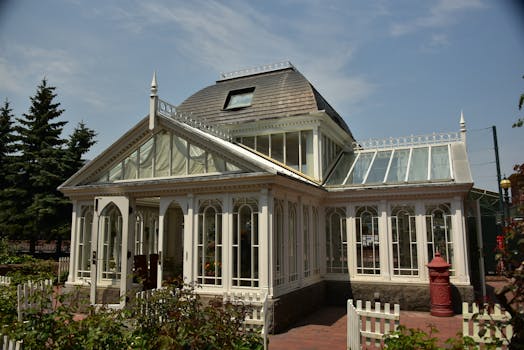
If you enjoy working with windows, you might like building conservatories. This involves fitting lots of windows, doors, and roofs, often made of glass or PVC. You'd learn about different materials and how to create beautiful new rooms for people's homes.

Flag Media

Please select a reason for flagging this content.

UPVC Fabricator

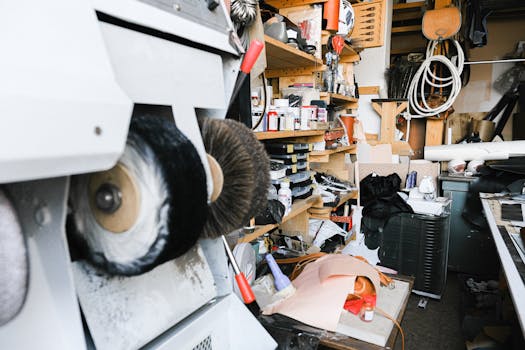
Instead of just fitting, you could learn how to make the actual UPVC windows and doors in a factory. This involves cutting materials, using special machines to weld the frames together, and then adding the glass and hardware. You'd be involved in the creation process before they get fitted.

Learning the Basics

Succeed in School Subjects

Focus on subjects at school that involve practical skills, maths, and design.

Maths will help you with measurements and calculations needed for fitting windows accurately. Design and Technology (DT) or Resistant Materials classes are great for developing practical skills and understanding how things are put together. Science, especially physics, can help you understand materials and insulation. Learning about health and safety is also important for any practical job.

Explore Practical Hobbies

Get involved in hobbies that build your practical skills and confidence with tools.

Things like model making, woodworking, DIY projects at home, or helping with repairs can be really useful. Even something like building with LEGO or K'nex can help you develop spatial awareness and problem-solving skills. The more comfortable you are using your hands and different tools, the better.

Research the Role

Find out more about what a Window Fitter actually does day-to-day.

Look online for videos of window fitters at work, read job descriptions, and talk to people who work in construction or trades. You could even ask a local window fitting company if they offer any work experience opportunities or if you could shadow someone for a day to see what it's like. This will give you a real insight into the career.

Gaining Skills and Qualifications

Consider an Apprenticeship

An apprenticeship is a brilliant way to learn on the job while earning money.

You would typically work for a window fitting company, learning from experienced professionals. Alongside this, you'd attend college or a training provider one day a week to get a qualification, like a Level 2 or 3 NVQ in Fenestration Installation. Apprenticeships usually last 2-3 years and give you hands-on experience and a recognised qualification, which employers really value.

Study Relevant College Courses

If an apprenticeship isn't immediately available, college courses can provide a good foundation.

Look for BTEC or City & Guilds qualifications in subjects like 'Construction' or 'Fenestration Installation'. These courses will teach you about different materials, tools, health and safety, and the techniques used in fitting windows and doors. This can make you more attractive to employers when applying for entry-level jobs or apprenticeships.

Get a CSCS Card

A CSCS card proves you have the basic health and safety knowledge to work on construction sites.

Most construction sites in the UK require you to have a CSCS (Construction Skills Certification Scheme) card to enter. You'll need to pass a health, safety, and environment test. There are different types of cards, and you'll typically start with a 'Trainee' or 'Labourer' card as you begin your career, progressing to more skilled cards as you gain qualifications and experience.

Starting Your Career and Growing

Secure Your First Job

Apply for junior window fitter roles or positions with local glazing companies.

Once you have some qualifications or have completed an apprenticeship, start looking for job vacancies. Many companies look for keen individuals who are willing to learn. Highlight any practical experience, even from hobbies, and show your enthusiasm for the trade. Be prepared to start as a fitter's mate or assistant, learning more from senior fitters.

Develop Specialist Skills

As you gain experience, consider specialising in certain types of windows or installations.

Window fitting involves different materials like uPVC, aluminium, and timber, and various types of installations such as conservatories, bi-fold doors, or commercial glazing. You could also learn about smart home technology integration or advanced security features. The more skills you have, the more valuable you become to employers and the more opportunities you'll have.

Consider Self-Employment

With enough experience and a good reputation, you might want to start your own business.

Many experienced window fitters become self-employed. This means you'd manage your own clients, scheduling, and finances. You'd need to be good at customer service, quoting for jobs, and managing your time. It offers flexibility and the potential for higher earnings, but also comes with more responsibility. You might need to consider additional training in business management.

🎯 View Apprenticeships

Explore relevant apprenticeships that can help you kickstart your career in Window Fitter. Apprenticeships offer hands-on experience and training while earning a wage.

Career Progressions

This page showcases various career options and the pathways to reach them. Each career listed here shares transferable skills and knowledge, making it easier for individuals to transition between them.

Your current career is highlighted to help you see how it fits into the broader landscape of potential career choices. By clicking on any career, you can learn more about it, including the training and education required to pursue it.

Remember, progressing in your career often involves further learning and training. This page provides insights into future career options as well as those that can lead up to your current one.

These career progression decisions are informed by comparing the skills and knowledge needed for different occupations, along with data on how people move between them. Explore the possibilities and discover the exciting journey ahead in your career!

Sample Qualifications

A Window Fitter's primary role is to install windows, which directly aligns with the duties of a Glazier, a specialist in fitting glass into windows and other structures.

How to become

You can get into this job through:

  • a college course
  • an apprenticeship
  • working towards this role
  • applying directly

College

You could take a college course, which would teach you some of the skills you need to get a job as a trainee with a glazing or window fitting company.

Courses include:

  • construction skills
  • carpentry and joinery

Entry requirements

Entry requirements for these courses vary.

More Information

Apprenticeship

You could apply for a place on a Fenestration Installation Level 2 Intermediate Apprenticeship.

This can take up to 2 years to complete and is a mix of on-the-job training and off-site study.

Entry requirements

You'll usually need:

  • some GCSEs, usually including English and maths, or equivalent, for an intermediate apprenticeship

More Information

Work

You could start work as an assistant to a glazier or window fitter and train on the job, working alongside an experienced tradesperson.

Employers will look for someone with good practical skills and a willingness to learn.

Direct Application

You can apply directly for jobs. There are no set entry requirements, though you'll need maths skills to make measurements and work out dimensions. Employers may ask for GCSEs at grades 9 to 4 (A* to C).

Experience in carpentry, joinery or window manufacturing might also be helpful.

More Information

Registration

Career tips

You may need to travel to other parts of the country for some jobs, especially on commercial and industrial contracts.

Further information

You can find out more about a career as a glazier or window fitter from Go Construct.

Interested in More Career Paths?

Explore other careers or use our AI to discover personalised paths based on your interests.

Stay connected

Join our newsletter to stay up to date on features and releases

Address
Developing Experts Limited
Exchange Street Buildings
35-37 Exchange Street
Norwich
NR2 1DP
UK

Phone
01603 273515

Email
[email protected]

Copyright 2026 Developing Experts, All rights reserved.