



Creating Career Path...

Finding Further Careers...

Retrofit Coordinator

View this career for different education levels:

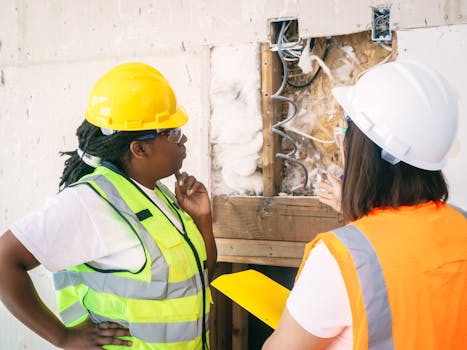
Imagine a house that is a bit old and lets out a lot of its warmth, making it chilly inside and wasting energy. A Retrofit Coordinator is like a superhero for these houses! They are super important people who make sure homes in the UK are made warmer, cosier, and better for the planet. They help decide the best ways to upgrade a house, like adding special insulation to the walls, putting in new windows that keep the heat in, or even installing solar panels on the roof to make electricity from the sun. They dont do all the building work themselves, but they are like the conductor of an orchestra, making sure everyone else involved in the house's makeover works together perfectly. They check that all the changes are done properly and safely, and that the house will really save energy and be comfortable for the people living in it. It is a job all about helping homes be greener and helping people save money on their heating bills too!

Retrofit Coordinator

Flag Media

Please select a reason for flagging this content.

📊 Statistics

Average Salary

A Retrofit Coordinator in the UK can expect to earn between 35,000 and 50,000 pounds per year. If they are very experienced, they might earn even more!

Job Growth

The demand for Retrofit Coordinators is growing quickly. Experts think that we will need many more of these special people in the coming years as we make more homes energy efficient.

Projected Number of Roles

It is estimated that thousands of new Retrofit Coordinator roles will be needed across the UK in the next decade to help meet climate goals.

🚀 Careers in this path

Flag Media

Please select a reason for flagging this content.

Energy Saving Helper

Imagine you're helping families make their homes super snug and warm! You'd go around looking for draughts or places where heat might escape, like a detective for warmth. Then, you'd suggest simple things to stop it, like putting thicker curtains up or adding extra insulation in the loft. Your job would be to make sure homes use less electricity and gas, which is great for the planet and saves grown-ups money too!

Flag Media

Please select a reason for flagging this content.

Building Renovation Planner

This is like being a superhero for old buildings! When an old house needs to be made more modern and eco-friendly, you're the one who plans it all out. You'd think about how to add new windows that keep the heat in, or how to put solar panels on the roof to make electricity from the sun. You'd draw pictures and make lists of everything that needs to be done to make the building super efficient and comfy.

Flag Media

Please select a reason for flagging this content.

Green Home Detective

You're a detective but instead of looking for clues about mysteries, you're looking for ways to make homes greener and better for the environment. You might use special tools to see where heat is escaping, or check if a house has old, leaky windows. Then, you'd write a report for the grown-ups, telling them all the cool new things they can do to make their home eco-friendly, like adding insulation or getting a heat pump.

Learning About Homes and Energy

Be a Home Explorer

Start by being curious about how houses work and how we keep them warm. Think about what makes a house cosy or cold.

When you're at home, look around! Can you feel a draft from a window? Does the loft feel colder than downstairs? What do radiators do? Ask grown-ups questions about how they heat the house or keep it warm in winter. Understanding these basics will help you later when you're thinking about making homes better.

Learn About Energy Saving

Discover simple ways we can save energy at home, like turning off lights or not leaving the fridge door open.

Talk to your family about how they try to save energy. Maybe they switch off lights when leaving a room, or unplug chargers when they're not being used. Learning about these small actions helps you understand the bigger picture of why saving energy is important for our planet and our homes.

Study Building Blocks

At school, pay attention in lessons like maths, science, and design and technology, as they teach you about structures and measurements.

Maths will help you measure things and work out how much material is needed. Science will teach you about heat and how different materials work. Design and Technology will show you how things are built and put together. These subjects are like building blocks for understanding how houses are constructed and improved.

Getting Ready for the Job

Go to College or University

When you're older, you'll need to study special courses about building, energy, or environmental science.

After school, you might go to college to do A-levels in subjects like physics, maths, or design and technology, or a BTEC in construction. Then, you could go to university to get a degree in subjects like Architectural Technology, Building Surveying, or Environmental Science. These courses teach you all the important things you need to know about buildings and energy efficiency.

Learn About Retrofitting

You'll take special training courses that teach you all about how to improve old homes to save energy.

There are specific qualifications you'll need, like the Level 5 Diploma in Retrofit Coordination and Risk Management. These courses teach you about different types of insulation, heating systems, and how to plan and manage projects to make homes more energy efficient. It's like learning the secret recipe for making homes super green!

Get Some Work Experience

Try to get a job or do an internship with a company that works on making homes better, like a building firm or an energy company.

Working alongside people who are already doing these jobs is a fantastic way to learn. You'll see how they talk to homeowners, plan projects, and work with builders. This hands-on experience will show you what the job is really like every day and help you understand how to put your training into practice.

Becoming a Retrofit Coordinator

Become Certified

Once you've done your training, you'll need to register with a professional body that recognises your skills.

After completing your Level 5 Diploma, you'll register with an organisation like TrustMark or the Retrofit Academy. This shows everyone that you are a qualified and trustworthy Retrofit Coordinator. It's like getting your official badge that says you're ready to help people make their homes better!

Find Your First Role

Look for jobs with companies that specialise in energy-efficient home improvements or building projects.

You can search for 'Retrofit Coordinator' jobs online or through recruitment agencies that specialise in the construction or sustainability sectors. Your first role might be as a junior coordinator, where you work closely with experienced professionals to gain more practical knowledge before taking on full responsibility for projects.

Keep Learning and Growing

The world of energy saving is always changing, so you'll need to keep learning new things to be the best you can be.

New technologies and ways to make homes efficient come out all the time. Attend workshops, read industry news, and talk to other professionals to stay updated. This helps you offer the best advice and solutions to homeowners and keep improving your skills throughout your career.

🎬 Useful Videos

🎯 View Apprenticeships

Explore relevant apprenticeships that can help you kickstart your career in Retrofit Coordinator. Apprenticeships offer hands-on experience and training while earning a wage.

Career Progressions

This page showcases various career options and the pathways to reach them. Each career listed here shares transferable skills and knowledge, making it easier for individuals to transition between them.

Your current career is highlighted to help you see how it fits into the broader landscape of potential career choices. By clicking on any career, you can learn more about it, including the training and education required to pursue it.

Remember, progressing in your career often involves further learning and training. This page provides insights into future career options as well as those that can lead up to your current one.

These career progression decisions are informed by comparing the skills and knowledge needed for different occupations, along with data on how people move between them. Explore the possibilities and discover the exciting journey ahead in your career!

Sample Qualifications

A Retrofit Coordinator oversees the planning, coordination, and execution of retrofit projects, ensuring compliance and quality. This aligns closely with the responsibilities of a Construction Manager, who manages and supervises construction projects, including scheduling, budget, and quality control.

How to become

You can get into this job through:

  • a university course
  • an apprenticeship
  • working towards this role
  • applying directly

University

You'll usually need a foundation degree, higher national diploma or degree in a subject like:

  • building studies or building engineering
  • surveying or civil engineering
  • construction engineering
  • construction site management
  • estimating

Find out about courses and universities accredited by the Chartered Institute of Building.

Courses are likely to include topics like project management, economics, IT and accounting.

Entry requirements

You'll usually need:

  • 1 or 2 A levels, or equivalent, for a foundation degree or higher national diploma
  • 2 to 3 A levels, or equivalent, for a degree

More Information

Apprenticeship

You could apply to do an apprenticeship, for example:

  • Construction Site Management Level 6 Degree Apprenticeship
  • Design and Construction Management Level 6 Degree Apprenticeship

These typically take between 3 and 4 years to complete, and are a mix of learning in the workplace and studying at an approved university.

Entry requirements

You'll usually need:

  • 4 or 5 GCSEs at grades 9 to 4 (A* to C) and A levels, or equivalent, for a degree apprenticeship

More Information

Work

You may be able to move into this job after gaining several years' experience in another construction industry role, such as:

  • estimator
  • building technician
  • surveyor
  • site supervisor

Direct Application

You could apply directly for jobs if you've got several years' management experience in a related industry, like civil engineering.

More Information

Registration

Professional and industry bodies

You could join the Chartered Institute of Building, for professional recognition, to build your network of contacts and to hear about professional development opportunities.

Further information

You can find out more about becoming a construction manager from:

Interested in More Career Paths?

Explore other careers or use our AI to discover personalised paths based on your interests.

Stay connected

Join our newsletter to stay up to date on features and releases

Address
Developing Experts Limited
Exchange Street Buildings
35-37 Exchange Street
Norwich
NR2 1DP
UK

Phone
01603 273515

Email
[email protected]

Copyright 2026 Developing Experts, All rights reserved.