




Creating Career Path...

Finding Further Careers...

Retrofit Coordinator

View this career for different education levels:

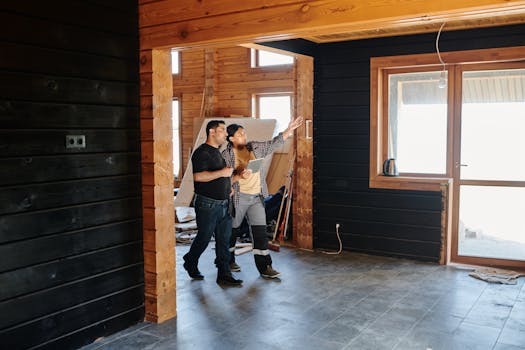
Imagine homes that are super cosy in winter and cool in summer, using much less energy. That's where a Retrofit Coordinator comes in! Your job is like being the project manager for making existing homes much more energy-efficient and environmentally friendly. You'd be working with homeowners, builders, and energy experts to plan and oversee big changes to houses, like adding better insulation, installing solar panels, or putting in new, more efficient heating systems. You make sure all the work is done properly, safely, and to the latest standards, ensuring the house genuinely becomes 'greener' and cheaper to run. It's a really important role for helping the UK tackle climate change and improve people's living conditions. You would start by looking at a house to understand what changes are needed, then create a detailed plan, making sure everything meets special 'retrofit' rules. You'd then help choose the right builders and materials, and regularly check on the work as it happens. It's a mix of planning, problem-solving, and communication, making sure everyone involved knows what's happening and that the end result is a house that uses less energy and is healthier for the people living in it. It's a hands-on role that makes a real difference to homes and the environment.

Retrofit Coordinator

Flag Media

Please select a reason for flagging this content.

📊 Statistics

Average UK Salary

For an experienced Retrofit Coordinator, salaries can range from around 35,000 to 50,000 pounds per year, depending on location and project size. Starting salaries might be a bit lower.

Job Growth

The demand for Retrofit Coordinators is growing rapidly across the UK due to government targets for making homes more energy-efficient. It's an emerging and essential role in the construction industry.

Training Duration

To become a certified Retrofit Coordinator, you typically need to complete a specialist qualification, which can take a few months of dedicated study and practical experience.

🚀 Careers in this path

Flag Media

Please select a reason for flagging this content.

Energy Assessor

An Energy Assessor visits homes and other buildings to see how much energy they use. They then give advice on how to make buildings more energy efficient, like adding better insulation or using greener heating systems. It's a bit like being a detective for energy waste!

Flag Media

Please select a reason for flagging this content.

Building Surveyor

A Building Surveyor checks buildings to make sure they are safe, strong, and in good condition. They look for problems and suggest ways to fix them, or how to make buildings better and more modern, especially focusing on how they can be made more environmentally friendly.

Flag Media

Please select a reason for flagging this content.

Sustainable Building Designer

A Sustainable Building Designer helps to plan and design new buildings, or change old ones, so they are really good for the planet. They think about using natural light, clever insulation, and renewable energy sources like solar panels to create homes that are energy efficient and comfortable.

Build Your Foundations

Strong GCSEs

Aim for good grades in subjects like Maths, English, and Science. These subjects are really important for understanding numbers, communicating clearly, and grasping technical concepts in construction and energy.

Good GCSEs (grades 9-4) in these core subjects will give you a solid base. Maths helps with calculations for energy savings and project budgets, English is key for clear communication with clients and teams, and Science (especially Physics) can help you understand how energy works in buildings. Consider Geography or Design & Technology too, as they can introduce you to environmental concepts and building design early on.

Explore Building & Environment

Start learning about how buildings work, different materials, and why it's important to protect our planet. You can do this through school projects or by reading up on it.

Look into subjects like Design & Technology, Construction, or Environmental Science if your school offers them. Join a relevant club or project if available. You could also watch documentaries about climate change, renewable energy, and sustainable building to spark your interest and learn more about the challenges and solutions in this field.

Practical Skills and Hobbies

Get hands-on! Try DIY at home with family, learn about different tools, or even help with a gardening project. Understanding how things are put together is very useful.

Any hobbies that involve building, repairing, or designing things can be really beneficial. This could include model making, woodworking, or even just helping with home improvement tasks. It helps you develop practical thinking, problem-solving skills, and a basic understanding of materials and construction methods, all of which are valuable for a Retrofit Coordinator.

Further Your Learning

Post-16 Education

After your GCSEs, you'll need to choose further education. Options include A-Levels, BTECs, or apprenticeships, focusing on subjects related to construction, engineering, or environmental studies.

Consider A-Levels in subjects like Physics, Maths, or Environmental Science. Alternatively, a BTEC National Diploma or Extended Diploma in Construction, Civil Engineering, or Building Services Engineering can provide a more vocational path. These qualifications will give you specific knowledge about building structures, energy systems, and sustainability principles, which are crucial for retrofit work. An apprenticeship can also be a great way to learn on the job.

Vocational Training or Degree

Many Retrofit Coordinators have a degree or specific vocational qualifications in areas like construction, surveying, or building services.

You could pursue a university degree such as a BSc in Building Surveying, Construction Management, Architectural Technology, or Environmental Science with a focus on building performance. Another option is to undertake a HNC/HND in a related field. These higher-level qualifications provide in-depth theoretical knowledge and practical skills in areas like building pathology, project management, and sustainable construction techniques.

Retrofit Coordinator Qualification

This is a specialist qualification you'll need. It teaches you everything about planning and managing retrofit projects to make homes energy efficient.

To become a certified Retrofit Coordinator, you will need to complete a Level 5 Diploma in Retrofit Coordination and Risk Management. This qualification is specifically designed for the role and covers crucial areas such as PAS 2035 (the UK standard for domestic retrofit), risk management, whole-house assessments, and the coordination of retrofit projects. Providers like The Retrofit Academy offer this accredited course, which is essential for working in this field.

Gain Experience & Specialise

Work Experience

Look for opportunities to get hands-on experience in the construction industry. This could be through internships, entry-level roles, or volunteering with companies involved in building or energy efficiency.

Seek out placements or entry-level jobs with construction companies, architectural firms, energy consultancy businesses, or housing associations. Even basic roles like a site assistant or a technician can help you understand construction processes, site safety, and project delivery. This practical exposure will give you a real-world understanding of how buildings are constructed and renovated, which is vital for a Retrofit Coordinator.

Networking and Mentorship

Meet people who already work in the retrofit or construction industry. They can offer advice, share job opportunities, and help you understand the sector better.

Attend industry events, trade shows, and online webinars related to sustainable construction, energy efficiency, and retrofit. Join professional bodies like the Chartered Institute of Building (CIOB) or the Association for Environment Conscious Building (AECB) as a student member. Connecting with experienced professionals and potentially finding a mentor can open doors to invaluable advice, insights, and future job prospects.

Continuous Professional Development

The world of energy efficiency is always changing, so keep learning! Attend workshops, seminars, and courses to stay updated on new technologies and regulations.

Once qualified, it's important to continuously update your knowledge. This could involve taking short courses on specific technologies like heat pumps or solar PV, attending workshops on new building materials, or keeping up-to-date with changes in building regulations and energy efficiency standards (e.g., PAS 2035 updates). Staying informed ensures you remain a competent and effective Retrofit Coordinator throughout your career.

🎬 Useful Videos

🎯 View Apprenticeships

Explore relevant apprenticeships that can help you kickstart your career in Retrofit Coordinator. Apprenticeships offer hands-on experience and training while earning a wage.

Career Progressions

This page showcases various career options and the pathways to reach them. Each career listed here shares transferable skills and knowledge, making it easier for individuals to transition between them.

Your current career is highlighted to help you see how it fits into the broader landscape of potential career choices. By clicking on any career, you can learn more about it, including the training and education required to pursue it.

Remember, progressing in your career often involves further learning and training. This page provides insights into future career options as well as those that can lead up to your current one.

These career progression decisions are informed by comparing the skills and knowledge needed for different occupations, along with data on how people move between them. Explore the possibilities and discover the exciting journey ahead in your career!

Sample Qualifications

A Retrofit Coordinator's primary role involves overseeing energy efficiency upgrades and retrofits in buildings, which aligns closely with the responsibilities of a Building Services Engineer who designs, installs, and maintains the services within buildings, often with a focus on efficiency and sustainability.

How to become

You can get into this job through:

  • a university course
  • a college course
  • an apprenticeship
  • working towards this role
  • applying directly

University

You could study for a degree accredited by the Chartered Institution of Building Services Engineers (CIBSE).

Courses include:

  • building services engineering
  • architectural engineering
  • mechanical engineering and building services

You could also do a related degree like:

  • electrical engineering
  • construction and the built environment
  • environmental engineering
  • sustainable construction

You could apply to join a company as a graduate trainee after you finish your course.

Entry requirements

You'll usually need:

  • 2 or 3 A levels, or equivalent, including maths

More Information

College

You could take a course, which might help you to get a trainee technician position in a building services engineering company.

Courses include:

  • building services
  • mechanical engineering
  • T Level in Building Services Engineering for Construction

Entry requirements

Entry requirements for these courses vary.

  • 4 or 5 GCSEs at grades 9 to 4 (A* to C), or equivalent, including English and maths for a T Level

More Information

Apprenticeship

You could apply to do a:

  • Building Services Engineering Level 2 Foundation Apprenticeship
  • Building Services Engineering Technician Level 3 Advanced Apprenticeship
  • Building Energy Management Systems Controls Engineer Level 4 Higher Apprenticeship
  • Building Services Design Engineer Level 6 Degree Apprenticeship

Foundation apprenticeship

You can apply for a foundation apprenticeship if you're aged 16 to 21.

If you're aged 22 to 24, you can apply if you:

Entry requirements

You'll usually need:

  • no specific qualifications or experience to apply for a foundation apprenticeship
  • 5 GCSEs at grades 9 to 4 (A* to C), or equivalent, including English and maths, for an advanced apprenticeship
  • 4 or 5 GCSEs at grades 9 to 4 (A* to C) and A levels, or equivalent, for a higher or degree apprenticeship

More Information

Work

You might be able to start as a building services technician. You could then complete qualifications on the job, or part time with a training provider, to become an engineer.

Direct Application

You can apply directly for jobs if you've got qualifications and experience in engineering from any industry.

For example, you might have experience in electrical, mechanical, environmental or energy engineering.

More Information

Professional and industry bodies

You can join the Chartered Institution of Building Services Engineers (CIBSE) for study resources, industry news and professional development courses.

Further information

You can get more details about careers in building services from the Chartered Institution of Building Services Engineers (CIBSE).

Interested in More Career Paths?

Explore other careers or use our AI to discover personalised paths based on your interests.

Stay connected

Join our newsletter to stay up to date on features and releases

Address
Developing Experts Limited
Exchange Street Buildings
35-37 Exchange Street
Norwich
NR2 1DP
UK

Phone
01603 273515

Email
[email protected]

Copyright 2026 Developing Experts, All rights reserved.