


Creating Career Path...

Finding Further Careers...

Building Insulation Installer

View this career for different education levels:

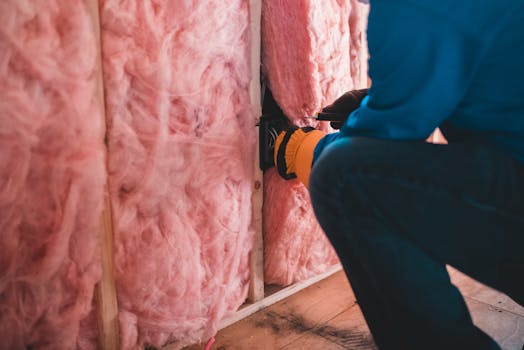
A Building Insulation Installer plays a crucial role in making homes and commercial buildings in the UK more energy-efficient and comfortable. This involves fitting various types of insulation materials into lofts, walls, floors, and roofs to prevent heat loss or gain. Your day-to-day tasks might include preparing surfaces, measuring and cutting insulation materials like mineral wool, foam boards, or spray foam, and then securely installing them using various tools and techniques. You'll need to be knowledgeable about different insulation products and their applications, as well as health and safety regulations, especially when working at height or with power tools. This career requires practical skills, attention to detail, and often involves working as part of a team on various construction sites, from new builds to existing properties undergoing retrofits. It's a physically demanding job that contributes directly to reducing carbon emissions and helping people save on their energy bills.

Building Insulation Installer

Flag Media

Please select a reason for flagging this content.

📊 Statistics

Average Salary Range

In the UK, a Building Insulation Installer can expect to earn an average salary ranging from 20,000 to 35,000 pounds annually. Experienced installers with specialist skills or supervisory roles can earn upwards of 40,000 pounds.

Job Outlook and Opportunities

The demand for Building Insulation Installers in the UK is projected to grow, driven by government initiatives for energy efficiency and net-zero targets. There are consistently thousands of job openings posted nationally each year for roles in insulation and energy efficiency, indicating a stable job market.

Working Hours

Most Building Insulation Installers work a standard 38-40 hour week, typically Monday to Friday. However, project deadlines or client needs may occasionally require earlier starts, later finishes, or weekend work.

🚀 Careers in this path

Flag Media

Please select a reason for flagging this content.

Cavity Wall Insulation Technician

Specialises in injecting insulation materials into the cavity between two layers of a wall, improving thermal efficiency. Requires a good understanding of building structures and insulation properties.

Flag Media

Please select a reason for flagging this content.

Loft Insulation Specialist

Focuses on installing various types of insulation, such as rolls, loose fill, or spray foam, in loft spaces to prevent heat loss through the roof. Often involves working in confined spaces.

Flag Media

Please select a reason for flagging this content.

External Wall Insulation EWI Installer

Applies insulation boards and render systems to the exterior of buildings, improving thermal performance and often enhancing the building's aesthetic. This role requires precision and an eye for detail in finishing work.

Foundation and Training

Research the Trade

Understand the different types of insulation, tools used, and safety regulations involved in the job.

Begin by exploring resources from organisations like the National Insulation Association (NIA) or the Construction Industry Training Board (CITB) in the UK. Look into various insulation materials such as loft insulation, cavity wall insulation, external wall insulation, and underfloor insulation, understanding their properties and application methods. Familiarise yourself with the basic tools and equipment you'll encounter, from cutting tools to safety gear. This initial research will give you a solid overview and help you decide if this career path aligns with your interests.

Gain Basic Qualifications

Consider obtaining relevant qualifications or certifications to demonstrate your commitment and foundational knowledge.

While not always strictly mandatory, possessing a Construction Skills Certification Scheme (CSCS) card is highly recommended and often a requirement for working on UK construction sites. You might also look into vocational courses or NVQs in construction, general building operations, or specific insulation installation techniques offered by local colleges or private training providers. These qualifications show employers you have a basic understanding of site safety and construction practices, making you a more attractive candidate for entry-level positions or apprenticeships.

Health and Safety Awareness

Complete essential health and safety training relevant to the construction industry.

Working in construction demands a strong awareness of health and safety. You'll need to complete courses like the CITB Health and Safety Awareness course, which is often a prerequisite for obtaining a CSCS Green Card. Other important training includes manual handling, working at height, and potentially asbestos awareness, as you may encounter older buildings during your work. Understanding and adhering to these safety protocols is paramount for your own well-being and that of your colleagues, and is a non-negotiable aspect of any construction role.

Entry and Development

Seek Apprenticeships or Entry-Level Roles

Apply for apprenticeships or assistant positions with insulation companies to gain hands-on experience.

An apprenticeship is an excellent route into the trade, combining on-the-job training with formal learning, often leading to an NVQ Level 2 or 3. You'll learn directly from experienced installers, covering everything from material preparation and safe installation practices to site etiquette and customer interaction. If an apprenticeship isn't immediately available, look for labourer or assistant roles with insulation contractors. These positions allow you to get your foot in the door, learn the ropes, and demonstrate your work ethic, often leading to progression within the company as you gain experience and skills.

Master Installation Techniques

Develop proficiency in various insulation installation methods and materials.

As you gain experience, focus on becoming highly skilled in specific insulation types. This includes understanding the nuances of installing mineral wool, rigid boards, spray foam, blown-in insulation, and reflective foils. You'll need to learn how to cut materials accurately, seal gaps effectively, and ensure installations meet building regulations and manufacturer specifications. Attention to detail is crucial to prevent thermal bridging and ensure the insulation performs as intended, contributing to the energy efficiency of the building.

Understand Building Regulations

Familiarise yourself with current UK building regulations related to thermal performance and insulation.

Compliance with building regulations, particularly Part L (Conservation of fuel and power) and other relevant standards, is essential. These regulations dictate the minimum thermal performance requirements for new and existing buildings, specifying U-values and air tightness. You'll need to understand how your work contributes to meeting these standards, including proper ventilation and moisture control. Staying updated with changes in these regulations is vital, as they are periodically reviewed and updated to reflect advancements in technology and environmental goals. Industry bodies often provide resources and training to help professionals stay current.

Specialisation and Advancement

Specialise in Advanced Systems

Consider specialising in more complex or niche insulation systems.

Once you have a solid foundation, you might choose to specialise. This could involve becoming an expert in external wall insulation (EWI) systems, which are increasingly popular for retrofitting older homes, or mastering spray foam insulation, which requires specific equipment and training. Other specialisms could include industrial insulation for pipework and ducts, or working with sustainable and eco-friendly insulation materials. Specialisation can lead to higher demand for your skills and potentially better earning opportunities, as these areas often require advanced training and certification.

Gain Further Certifications and CPD

Pursue advanced certifications and engage in continuous professional development.

To maintain a competitive edge and expand your capabilities, look for advanced certifications from industry bodies. This might include specific manufacturer training for proprietary insulation systems, or qualifications in areas like domestic energy assessment (DEA) if you wish to advise on broader energy efficiency. Engaging in Continuous Professional Development (CPD) through workshops, seminars, and online courses will keep your skills current and introduce you to new materials, techniques, and regulations, demonstrating your commitment to excellence in your field.

Supervisory or Business Role

Progress to a supervisory position or consider starting your own insulation business.

With significant experience and leadership qualities, you could aim for roles like team leader, site supervisor, or project manager, overseeing insulation projects and mentoring junior installers. This involves managing teams, scheduling work, quality control, and client communication. Alternatively, if you have an entrepreneurial spirit, you might consider setting up your own insulation installation company. This would involve business planning, marketing, securing contracts, and managing staff, requiring a strong understanding of both the technical aspects of insulation and the commercial side of running a business.

🎬 Useful Videos

🎯 View Apprenticeships

Explore relevant apprenticeships that can help you kickstart your career in Building Insulation Installer. Apprenticeships offer hands-on experience and training while earning a wage.

Career Progressions

This page showcases various career options and the pathways to reach them. Each career listed here shares transferable skills and knowledge, making it easier for individuals to transition between them.

Your current career is highlighted to help you see how it fits into the broader landscape of potential career choices. By clicking on any career, you can learn more about it, including the training and education required to pursue it.

Remember, progressing in your career often involves further learning and training. This page provides insights into future career options as well as those that can lead up to your current one.

These career progression decisions are informed by comparing the skills and knowledge needed for different occupations, along with data on how people move between them. Explore the possibilities and discover the exciting journey ahead in your career!

Sample Qualifications

A Building Insulation Installer primarily focuses on installing insulation within buildings, which directly aligns with the duties of a Cavity Insulation Installer, who specialises in fitting insulation into building cavities.

How to become

You can get into this job through:

  • a college course
  • an apprenticeship
  • applying directly

College

You could learn some relevant skills by doing a college course, such as:

  • construction and building crafts
  • insulation building treatments
  • construction operations

Completing a college course can help when looking for a trainee job.

Entry requirements

Entry requirements for these courses vary.

More Information

Apprenticeship

You could apply to do an apprenticeship with an insulation or construction company.

These include:

  • Insulation Installation Operative Level 2 Intermediate Apprenticeship
  • Commercial Thermal Insulation Operative Level 2 Intermediate Apprenticeship
  • Industrial Thermal Insulation Technician Level 3 Advanced Apprenticeship

Entry requirements

You'll usually need:

  • some GCSEs, usually including English and maths, or equivalent, for an intermediate apprenticeship
  • 5 GCSEs at grades 9 to 4 (A* to C), or equivalent, including English and maths, for an advanced apprenticeship

More Information

Direct Application

You could apply directly for jobs. Employers will usually look for GCSEs at grades 9 to 4 (A* to C) in subjects like English, maths, or design and technology.

Experience in construction, loft insulation, pipe lagging or building cladding would be helpful.

More Information

Registration

Career tips

You would fit materials in new buildings and upgrade or retrofit insulation in older ones.

You'll work on all types of premises from schools and hospitals to domestic properties.

Further information

You can find out more about a career in cavity insulation from Go Construct.

Interested in More Career Paths?

Explore other careers or use our AI to discover personalised paths based on your interests.

Stay connected

Join our newsletter to stay up to date on features and releases

Address
Developing Experts Limited
Exchange Street Buildings
35-37 Exchange Street
Norwich
NR2 1DP
UK

Phone
01603 273515

Email
[email protected]

Copyright 2026 Developing Experts, All rights reserved.