


Creating Career Path...

Finding Further Careers...

Building Insulation Installer

View this career for different education levels:

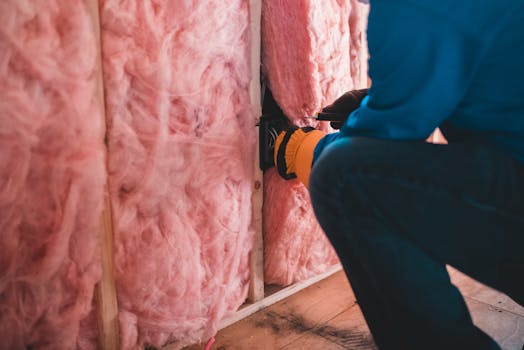
A Building Insulation Installer plays a really important role in making homes and other buildings in the UK warm, comfortable, and energy efficient. Imagine your house getting really cold in winter and really hot in summer; insulation helps to stop that from happening. Installers put special materials like mineral wool, foam boards, or even blown-in insulation into walls, lofts, and floors. They work to make sure these materials are fitted correctly to keep heat in during colder months and out during warmer ones. This job often involves working at heights, in tight spaces, and using various tools to cut and fit materials perfectly. It's a hands-on job that requires precision and attention to detail to ensure the insulation does its job properly. This career is vital for helping the UK meet its environmental goals, as good insulation means less energy is needed to heat or cool buildings, which reduces carbon emissions. Building Insulation Installers might work on new construction sites, fitting insulation as a building goes up, or they might work in existing homes, upgrading old insulation to make them more efficient. They need to understand different types of insulation materials and how they work, as well as health and safety rules to keep themselves and others safe on the job. If you enjoy practical tasks, working with your hands, and contributing to a greener future, this could be an interesting career path for you.

Building Insulation Installer

Flag Media

Please select a reason for flagging this content.

📊 Statistics

Average Starting Salary

An apprentice or new Building Insulation Installer in the UK might start earning around 18,000 to 22,000 pounds per year.

Experienced Salary Range

With more experience, a Building Insulation Installer in the UK can expect to earn between 25,000 and 35,000 pounds per year, depending on their skills and location.

Job Outlook

The demand for skilled insulation installers in the UK is growing, especially with the focus on making homes and buildings more energy efficient and reducing carbon emissions.

🚀 Careers in this path

Flag Media

Please select a reason for flagging this content.

Loft Insulation Technician

Imagine making homes super cosy! As a Loft Insulation Technician, you'd be installing special rolls of material in attics (lofts) to keep heat in during winter and out during summer. It's important work because it helps people save energy and money.

Flag Media

Please select a reason for flagging this content.

Cavity Wall Insulator

Have you ever wondered what's inside the walls of your house? Many homes have a gap called a cavity. A Cavity Wall Insulator carefully injects special insulation material into this gap, making the house much warmer and more energy-efficient. It's a bit like giving the house a warm, snuggly blanket!

Flag Media

Please select a reason for flagging this content.

External Wall Insulation Specialist

Some homes, especially older ones, might need extra insulation on the outside. An External Wall Insulation Specialist fixes thick insulation boards to the exterior of a house, then covers them with a special render. This completely transforms the look of the house while making it incredibly warm and fuel-efficient.

Learning the Basics at School

Focus on Practical Subjects

Doing well in subjects that involve hands-on work and problem-solving can be really useful for this career.

Subjects like Design & Technology (DT), Resistant Materials, or even art and crafts can help you develop practical skills and an understanding of materials. Maths is also important for measuring and calculating the right amount of insulation needed. Paying attention in science, especially topics on heat and energy, will give you a good foundation.

Explore Construction in School

Look for opportunities at school to learn more about the construction industry.

Your school might offer taster sessions, clubs, or even short courses related to construction or trades. Ask your careers advisor if there are any local workshops or events you could attend. Learning about tools and safety now will be a big help later on.

Research Insulation Types

Start learning about the different materials used for insulation and why they are important.

You can use the internet, visit your local library, or even look at DIY shops to see the different types of insulation available, like mineral wool, rigid foam boards, or blown-in insulation. Understand how they work to keep heat in or out. This knowledge will give you a head start.

Gaining Experience and Qualifications

Consider a College Course or Apprenticeship

After school, you can choose to go to college for a construction course or start an apprenticeship to learn on the job.

Many colleges offer Level 1 or 2 qualifications in Construction, or specific trades like 'Thermal Insulation' or 'Sustainable Construction'. An apprenticeship is a great way to learn practical skills directly from experienced professionals while earning a wage. You'll get hands-on experience fitting different types of insulation and understand health and safety on site. Look for apprenticeships with local construction or insulation companies.

Get Relevant Work Experience

Try to find some work experience, even if it's just helping out, to see what the job is really like.

Volunteering with a local charity that renovates homes or asking local builders if you can shadow them for a few days can give you valuable insight. This shows employers you're keen and helps you understand the day-to-day tasks, like measuring, cutting, and installing insulation, and working safely at heights or in confined spaces. Any experience working with tools or on building sites is a plus.

Obtain a CSCS Card

To work on most construction sites in the UK, you'll need a CSCS card, which proves you have basic health and safety knowledge.

The Construction Skills Certification Scheme (CSCS) card is essential for site work. You usually get this by passing a Health, Safety and Environment test. Your college course or apprenticeship provider will likely help you prepare for and take this test. It shows you understand how to work safely, which is very important in this job.

Starting Your Career and Growing

Apply for Entry-Level Positions

Look for job openings as an Insulation Installer, or a 'Thermal Insulation Engineer's Mate' to get started.

Start by looking at job websites, local construction companies, or insulation specialists. Even if you start as an assistant, you'll gain more experience and learn specialist techniques. Be ready to demonstrate your practical skills and your understanding of safety. Show enthusiasm and a willingness to learn from experienced installers.

Continue Learning and Specialising

Keep learning about new insulation methods, materials, and energy efficiency technologies.

The construction industry is always changing, especially with new rules about making buildings more energy-efficient. You might want to get certified in specific types of insulation, like spray foam, external wall insulation, or even loft insulation with ventilation. There are advanced courses and professional development opportunities to help you specialise and become an expert in a particular area.

Aim for Team Leader or Supervisor Roles

With experience, you can move up to leading a team or overseeing projects.

As you gain more years of experience and show good leadership skills, you could become a team leader, supervisor, or even a site manager. This would involve managing other installers, planning projects, ensuring quality, and making sure safety standards are met. Some installers even go on to start their own insulation businesses!

🎬 Useful Videos

🎯 View Apprenticeships

Explore relevant apprenticeships that can help you kickstart your career in Building Insulation Installer. Apprenticeships offer hands-on experience and training while earning a wage.

Career Progressions

This page showcases various career options and the pathways to reach them. Each career listed here shares transferable skills and knowledge, making it easier for individuals to transition between them.

Your current career is highlighted to help you see how it fits into the broader landscape of potential career choices. By clicking on any career, you can learn more about it, including the training and education required to pursue it.

Remember, progressing in your career often involves further learning and training. This page provides insights into future career options as well as those that can lead up to your current one.

These career progression decisions are informed by comparing the skills and knowledge needed for different occupations, along with data on how people move between them. Explore the possibilities and discover the exciting journey ahead in your career!

Sample Qualifications

A Building Insulation Installer primarily focuses on installing insulation within buildings. While 'Thermal insulation engineer' sounds broad, 'Cavity insulation installer' specifically describes a key aspect of building insulation work, aligning directly with the practical installation duties, often in wall cavities.

How to become

You can get into this job through:

  • a college course
  • an apprenticeship
  • applying directly

College

You could learn some relevant skills by doing a college course, such as:

  • construction and building crafts
  • insulation building treatments
  • construction operations

Completing a college course can help when looking for a trainee job.

Entry requirements

Entry requirements for these courses vary.

More Information

Apprenticeship

You could apply to do an apprenticeship with an insulation or construction company.

These include:

  • Insulation Installation Operative Level 2 Intermediate Apprenticeship
  • Commercial Thermal Insulation Operative Level 2 Intermediate Apprenticeship
  • Industrial Thermal Insulation Technician Level 3 Advanced Apprenticeship

Entry requirements

You'll usually need:

  • some GCSEs, usually including English and maths, or equivalent, for an intermediate apprenticeship
  • 5 GCSEs at grades 9 to 4 (A* to C), or equivalent, including English and maths, for an advanced apprenticeship

More Information

Direct Application

You could apply directly for jobs. Employers will usually look for GCSEs at grades 9 to 4 (A* to C) in subjects like English, maths, or design and technology.

Experience in construction, loft insulation, pipe lagging or building cladding would be helpful.

More Information

Registration

Career tips

You would fit materials in new buildings and upgrade or retrofit insulation in older ones.

You'll work on all types of premises from schools and hospitals to domestic properties.

Further information

You can find out more about a career in cavity insulation from Go Construct.

Interested in More Career Paths?

Explore other careers or use our AI to discover personalised paths based on your interests.

Stay connected

Join our newsletter to stay up to date on features and releases

Address
Developing Experts Limited
Exchange Street Buildings
35-37 Exchange Street
Norwich
NR2 1DP
UK

Phone
01603 273515

Email
[email protected]

Copyright 2026 Developing Experts, All rights reserved.