



Creating Career Path...

Finding Further Careers...

Heat Pump Installer

View this career for different education levels:

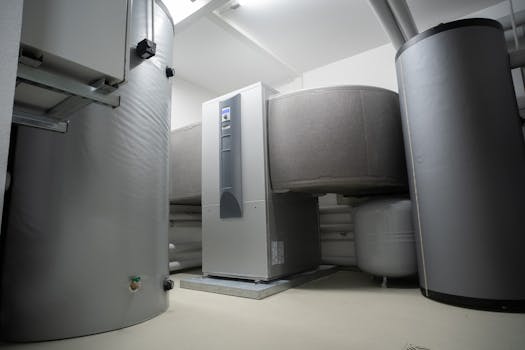
A Heat Pump Installer is a skilled tradesperson responsible for the installation, maintenance, and repair of air source and ground source heat pump systems in residential and commercial properties across the UK. This career is at the forefront of the UK's green energy transition, helping homeowners and businesses switch from traditional fossil fuel heating systems to more sustainable and energy-efficient alternatives. The role involves assessing properties to determine the most suitable heat pump system, preparing the site, installing the heat pump unit, connecting it to the existing heating and hot water systems, and ensuring it operates efficiently and safely. This often includes working with pipework, electrical connections, and refrigeration components, as well as commissioning the system and providing customer handover. Attention to detail, problem-solving skills, and a strong understanding of heating and ventilation principles are crucial. Training typically involves plumbing and heating qualifications, often combined with specific heat pump certifications such as an NVQ in Heat Pump Technology or qualifications from bodies like MCS (Microgeneration Certification Scheme) or NICEIC. Many installers begin their careers through apprenticeships, gaining hands-on experience alongside formal training. The work can be physically demanding, requiring travel to various sites and working in different environments. As the UK pushes towards decarbonising its heating, the demand for qualified heat pump installers is set to soar, making this a stable and forward-looking career choice.

Heat Pump Installer

Flag Media

Please select a reason for flagging this content.

📊 Statistics

Average Salary Range

Heat pump installers in the UK can expect an average salary ranging from 28,000 to 45,000 per year, depending on experience, qualifications, and location. Highly experienced installers with specialised certifications could earn more.

Projected Job Growth

The UK government's commitment to net-zero targets and the Boiler Upgrade Scheme is driving significant demand. Industry reports suggest a need for tens of thousands of new heat pump installers over the next decade to meet installation targets, indicating strong job growth potential.

Entry-Level Salary

For those just starting out or in an apprenticeship, an entry-level salary might be around 22,000 to 26,000 per year, increasing steadily with experience and additional qualifications.

🚀 Careers in this path

Flag Media

Please select a reason for flagging this content.

Air Source Heat Pump Engineer

Specialises in the installation, maintenance, and repair of air source heat pump systems, focusing on their specific operational principles and common issues. This role often involves detailed site surveys, system design tailored to properties, and ensuring optimal energy efficiency.

Flag Media

Please select a reason for flagging this content.

Ground Source Heat Pump Technician

Focuses on the complex installation, commissioning, and servicing of ground source heat pump systems, which involve borehole drilling or trenching for ground loops. This requires understanding geological surveys, plumbing, and electrical work to connect the system to the property.

Flag Media

Please select a reason for flagging this content.

Renewable Energy System Designer

Designs integrated renewable heating systems for residential and commercial properties, including heat pumps, solar thermal, and sometimes solar PV. This role involves using CAD software, performing heat loss calculations, and specifying components to create bespoke, efficient heating solutions.

Build Your Foundational Skills

Gain Basic Plumbing and Heating Knowledge

Start by acquiring fundamental skills in plumbing and conventional heating systems. This provides a strong base for understanding how heating systems operate.

Many heat pump installers begin their careers with a background in general plumbing and heating. Consider enrolling in a Level 2 or Level 3 NVQ Diploma in Plumbing and Heating or a similar apprenticeship. These courses cover essential topics like pipework, central heating systems, hot water systems, and safety procedures, which are transferable skills vital for heat pump installation. Look for local colleges or training centres offering these qualifications. Gaining practical experience through work placements during your course will also be highly beneficial.

Understand Electrical Fundamentals

Heat pumps have significant electrical components, so a basic understanding of electrical principles and safe working practices is crucial.

While you won't necessarily become a qualified electrician, knowing how to safely isolate power, understand wiring diagrams, and identify electrical faults is essential for connecting heat pumps and diagnosing issues. Short courses in electrical awareness for plumbers or basic electrical safety are excellent starting points. Some plumbing and heating qualifications might include an introductory module on electrical work. Always remember to work alongside a qualified electrician for any complex electrical connections until you gain specific heat pump electrical competency.

Apprenticeship or Traineeship

Secure an apprenticeship or traineeship with a plumbing, heating, or renewable energy company to get hands-on experience and learn from experienced professionals.

Apprenticeships are an excellent way to earn while you learn, combining on-the-job training with formal college education. Search for 'plumbing and heating apprenticeships' or 'renewable energy apprenticeships' in your area. This will provide invaluable practical experience, exposing you to real-world installations, problem-solving, and client interaction. It's also an opportunity to build a professional network and get familiar with industry standards and best practices under supervision.

Specialise in Heat Pumps

Obtain Heat Pump Specific Qualifications

Pursue accredited qualifications specifically for the installation and maintenance of heat pump systems.

In the UK, key qualifications include the LCL Awards Level 3 Award in the Installation and Maintenance of Air Source Heat Pumps (ASHP) and/or Ground Source Heat Pumps (GSHP). These courses cover system design, installation, commissioning, fault finding, and adherence to manufacturer instructions and industry standards. Look for training providers accredited by organisations like Logic Certification or BPEC. These qualifications are often a prerequisite for working with MCS (Microgeneration Certification Scheme) certified companies.

Gain F-Gas Certification (Category II)

Acquire the necessary certification to handle refrigerants, which are used in many heat pump systems.

The F-Gas Regulation requires anyone working with fluorinated greenhouse gases (F-gases) in refrigeration, air conditioning, and heat pump systems to hold a valid F-Gas qualification. For heat pump installers, Category II certification is typically required. This course covers safe handling of refrigerants, leak checking, recovery, and environmentally responsible disposal. It's a legal requirement for working on systems containing refrigerants and is crucial for compliance and safety.

Understand MCS Standards and Regulations

Familiarise yourself with the Microgeneration Certification Scheme (MCS) standards, which are vital for renewable energy installations in the UK.

MCS is an industry quality assurance scheme that certifies microgeneration products and installers. Understanding MCS standards (e.g., MCS 007 for heat pumps) is crucial for ensuring installations are eligible for government grants and incentives, such as the Boiler Upgrade Scheme (BUS). Many reputable companies will be MCS certified, meaning their installers must also work to these standards. Regular CPD (Continuing Professional Development) to stay updated on MCS changes is also recommended.

Advance Your Career

Develop Design and Surveying Skills

Learn how to survey properties and design appropriate heat pump systems tailored to individual client needs.

Moving beyond just installation, developing skills in heat loss calculations, system sizing, and understanding property specific requirements (insulation, radiator sizing) is a significant step. This might involve additional training courses in heat pump design, heat loss assessment (e.g., PAS 2035), or even shadowing experienced surveyors. This skill allows you to take on more responsibility, consult with clients, and contribute to the initial planning stages of projects, potentially leading to roles as a heat pump surveyor or project manager.

Stay Updated with Technology and Regulations

The renewable energy sector is constantly evolving, so continuous learning is essential to remain competitive and effective.

Regularly attend manufacturer training courses for new heat pump models and technologies. Subscribe to industry newsletters, join professional associations like the Heat Pump Association (HPA) or the CIPHE (Chartered Institute of Plumbing and Heating Engineering), and participate in workshops and webinars. Keep abreast of changes in building regulations, energy efficiency standards, and government incentive schemes (like BUS). This ongoing professional development ensures your skills remain current and valuable.

Consider Self-Employment or Leadership

Once you have extensive experience and a strong skill set, explore opportunities to start your own business or take on supervisory roles.

With several years of experience and comprehensive qualifications, you might consider becoming a self-employed heat pump installer, offering your services directly to clients or contracting for larger firms. This requires business acumen, marketing skills, and potentially obtaining your own MCS certification for your business. Alternatively, you could progress into a team leader, project manager, or technical consultant role within an established company, guiding other installers and overseeing larger projects.

🎬 Useful Videos

🎯 View Apprenticeships

Explore relevant apprenticeships that can help you kickstart your career in Heat Pump Installer. Apprenticeships offer hands-on experience and training while earning a wage.

Career Progressions

This page showcases various career options and the pathways to reach them. Each career listed here shares transferable skills and knowledge, making it easier for individuals to transition between them.

Your current career is highlighted to help you see how it fits into the broader landscape of potential career choices. By clicking on any career, you can learn more about it, including the training and education required to pursue it.

Remember, progressing in your career often involves further learning and training. This page provides insights into future career options as well as those that can lead up to your current one.

These career progression decisions are informed by comparing the skills and knowledge needed for different occupations, along with data on how people move between them. Explore the possibilities and discover the exciting journey ahead in your career!

Sample Qualifications

This is the most direct and accurate match. A Heat Pump Installer's primary role involves the installation of heat pump systems, which aligns perfectly with the duties implied by a 'Heat pump engineer'.

How to become

You can get into this job through:

  • a college course
  • an apprenticeship
  • working towards this role

College

You could take a college course in a related subject like plumbing and heating, or a T Level in Building Services Engineering for Construction.

These courses teach you some of the skills you'll need to apply for a trainee plumber, heating and ventilation engineer, or gas service technician position with a company.

Once you've built up your experience, you could take extra training, usually lasting between 3 and 5 days.

This would include:

  • heat pump foundation knowledge
  • low temperature heating and hot water systems
  • individual heat pump technology

Entry requirements

Entry requirements for these courses vary.

  • 4 or 5 GCSEs at grades 9 to 4 (A* to C), or equivalent, including English and maths for a T Level

More Information

Apprenticeship

You could apply to do an apprenticeship, such as:

  • Building Services Engineering Level 2 Foundation Apprenticeship
  • Low Carbon Heating Technician Level 3 Advanced Apprenticeship
  • Heat Network Maintenance Technician Level 3 Advanced Apprenticeship

Foundation apprenticeship

You can apply for a foundation apprenticeship if you're aged 16 to 21.

If you're aged 22 to 24, you can apply if you:

Entry requirements

You'll usually need:

  • no specific qualifications or experience to apply for a foundation apprenticeship
  • 5 GCSEs at grades 9 to 4 (A* to C), or equivalent, including English and maths, for an advanced apprenticeship

More Information

Work

You could train as a gas service technician, heating and ventilation engineer or plumber. You could then do additional training to become a heat pump engineer.

Training would cover:

  • low temperature heating and hot water systems
  • heat pump installation and maintenance
  • different types of heat pump technologies

Lots of organisations offer training in heat pump installation. You can search for heat training providers in your local region.

More Information

Professional and industry bodies

You could join the Heat Pump Association (HPA) for professional development opportunities.

Further information

You can get more advice on heat pump careers and training from the Chartered Institute of Plumbing and Heating Engineering (CIPHE).

Interested in More Career Paths?

Explore other careers or use our AI to discover personalised paths based on your interests.

Stay connected

Join our newsletter to stay up to date on features and releases

Address
Developing Experts Limited
Exchange Street Buildings
35-37 Exchange Street
Norwich
NR2 1DP
UK

Phone
01603 273515

Email
[email protected]

Copyright 2026 Developing Experts, All rights reserved.