
Creating Career Path...

Finding Further Careers...

Heat Pump Installer

View this career for different education levels:

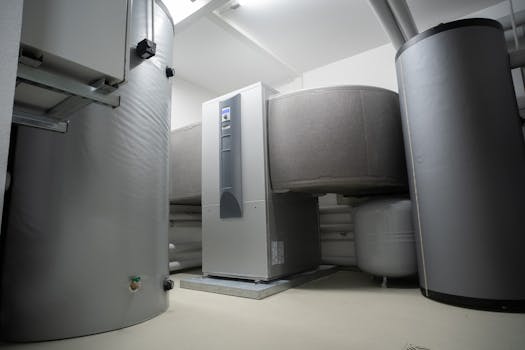
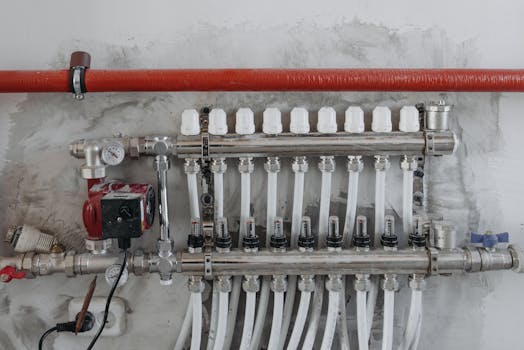
Imagine a special kind of heating system that uses clever technology to warm up your home using energy from the air or ground outside. That is what a heat pump does. A Heat Pump Installer is like a superhero for homes, making sure these amazing machines are put in correctly so families can have warm houses without using lots of gas or oil. They work carefully with pipes and wires, making sure everything is safe and works perfectly. They might dig in gardens for ground source heat pumps or put special boxes on walls for air source ones. It is a job that helps the planet by using cleaner energy. Being a Heat Pump Installer means you need to be good at solving puzzles and enjoy working with your hands. You would learn all about how heat pumps work, how to connect them to a home's heating system, and how to test them to make sure they are running efficiently. It is a very important job because it helps homes become more environmentally friendly, which is great for everyone. You get to travel to different houses and meet new people, making sure their homes are toasty warm in a clever, green way.

Heat Pump Installer

Flag Media

Please select a reason for flagging this content.

📊 Statistics

Starting Salary

New heat pump installers in the UK might start their training earning around 20,000 to 25,000 pounds a year.

Experienced Salary

When you become really good and experienced at installing heat pumps, you could earn between 30,000 and 45,000 pounds a year, or even more for very specialised jobs.

Job Growth

The number of jobs for heat pump installers is expected to grow a lot in the UK as more homes choose green energy. The government wants to see around 600,000 heat pumps installed each year by 2028.

🚀 Careers in this path

Flag Media

Please select a reason for flagging this content.

Eco-friendly Heating Helper

Imagine you're helping people make their homes warm using energy from the ground or air, like a super-smart detective for heat! You'd help the grown-ups put in the special machines.

Flag Media

Please select a reason for flagging this content.

Renewable Energy Assistant

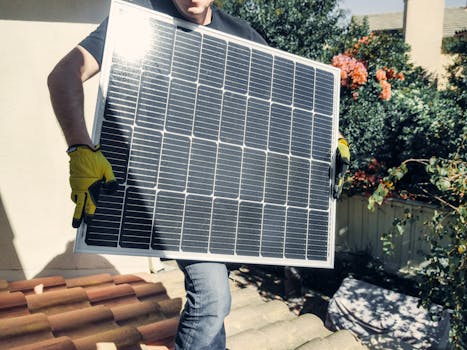
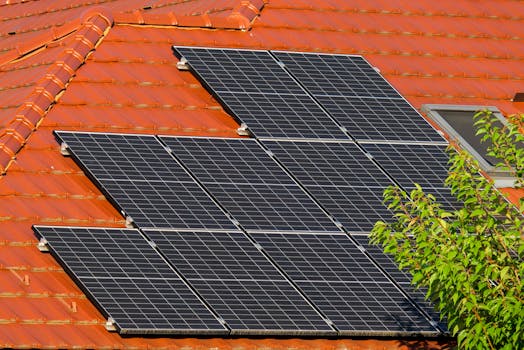
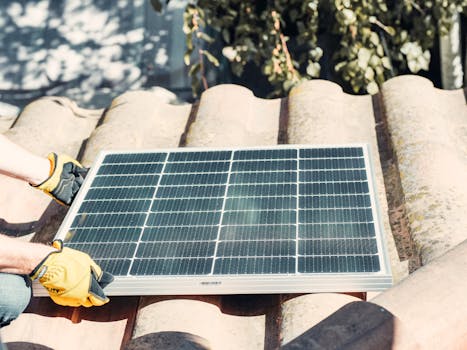
You'd be like a little engineer, helping grown-ups put in sunny solar panels on roofs or clever machines that make heat from nature, so homes can be warm without lots of electricity.

Flag Media

Please select a reason for flagging this content.

Green Home Comfort Creator

Your job would be to make sure people's houses are super cosy using special new heating machines. You'd help install them and make sure they're working perfectly to keep everyone warm and happy.

Learning About Heat Pumps

Being Curious

Start by being curious about how things work, especially around your home and how it stays warm. Ask grown-ups about radiators or boilers.

When you're young, it's great to ask 'why?' a lot! For example, 'Why does the kettle make water hot?' or 'How does the fridge keep food cold?' This helps your brain get used to thinking about how machines change temperatures, which is a big part of what heat pumps do. You could even look up simple videos about how heat travels.

Playing and Building

Love building with LEGOs or playing with tools? This job uses lots of tools and needs you to be good at putting things together.

Building with blocks, LEGOs, or even playing with toy tool kits helps you learn about shapes, sizes, and how different parts fit together. These are important skills for an installer who needs to connect pipes and wires correctly. You could even try to build a small model house and think about how you would make it warm inside.

Visiting a Grown-Up

If you know a grown-up who fixes things or works in construction, ask if you can visit them to see what they do.

Seeing real tools and machines up close can be very exciting. Ask if they can show you how they use a screwdriver or measure something. You might not understand everything, but getting a feel for a construction environment, seeing people work safely, and understanding the importance of following instructions are all valuable experiences for the future.

Getting Ready for Secondary School

Doing Well in Science and Maths

Pay good attention in your science and maths classes at school. They help you understand how heat pumps work.

Science helps you learn about heat, energy, and how things change temperature, which is exactly what a heat pump does! Maths helps you measure things accurately, which is super important for fitting pipes and making sure everything is the right size and in the right place in a house. Doing well in these subjects now will make learning about heat pumps much easier later on.

Learning About Safety

Always listen to grown-ups about safety, especially around tools or building sites. It's a very important rule for installers!

Safety is the number one rule in any job where you use tools or work in people's homes. Start by understanding why we wear helmets on bikes, or why we shouldn't touch hot ovens. When you're older, you'll learn about special safety gear like hard hats, gloves, and safety boots, and how to use tools without getting hurt. Always remember that looking after yourself and others is key.

Thinking About Technology

Heat pumps use clever technology. Learning how computers or even smart home devices work can be a fun start.

Heat pumps are modern machines, and sometimes they connect to smart controls in a house. Understanding how to use a tablet or how a 'smart speaker' works shows you how technology helps us control things. This kind of thinking will help you understand the controls and settings on a heat pump when you're older, making you a super-smart installer!

Training to Be an Installer

Choosing the Right College Courses

When you're older, you'll pick courses at college that teach you about plumbing, heating, or electrics.

After secondary school, you can go to college to learn skills like plumbing (working with water pipes), electrical work (working with wires), or general heating systems. These courses give you the basic knowledge you need before you can specialise in heat pumps. You'll learn how to join pipes, connect wires safely, and understand how different heating systems operate.

Finding an Apprenticeship

An apprenticeship lets you learn on the job with an experienced installer. It's like being a helper and learning from a master!

An apprenticeship is a fantastic way to learn because you get to work alongside someone who is already a heat pump installer. You'll learn by doing, seeing how they plan installations, solve problems, and connect all the parts. You'll also go to college sometimes to get qualifications, and you even get paid a little bit while you're learning. It's a practical way to become an expert!

Getting Special Heat Pump Certificates

Once you know the basics, you'll get special training and certificates just for heat pumps to become an expert.

After your general plumbing or heating training, you'll take specific courses and get certificates that show you know all about heat pump technology. This includes learning about different types of heat pumps (like air source and ground source), how to install them safely, how to make sure they work perfectly, and how to fix them if something goes wrong. These special qualifications make you a certified heat pump superhero!

🎬 Useful Videos

🎯 View Apprenticeships

Explore relevant apprenticeships that can help you kickstart your career in Heat Pump Installer. Apprenticeships offer hands-on experience and training while earning a wage.

Career Progressions

This page showcases various career options and the pathways to reach them. Each career listed here shares transferable skills and knowledge, making it easier for individuals to transition between them.

Your current career is highlighted to help you see how it fits into the broader landscape of potential career choices. By clicking on any career, you can learn more about it, including the training and education required to pursue it.

Remember, progressing in your career often involves further learning and training. This page provides insights into future career options as well as those that can lead up to your current one.

These career progression decisions are informed by comparing the skills and knowledge needed for different occupations, along with data on how people move between them. Explore the possibilities and discover the exciting journey ahead in your career!

Sample Qualifications

Heat Pump Installers focus on installing and maintaining heating systems that involve thermodynamic principles, which aligns closely with the responsibilities of a Heating and Ventilation Engineer who deals with the broader spectrum of heating, cooling, and ventilation systems within buildings.

How to become

You can get into this job through:

  • a college course
  • an apprenticeship
  • applying directly

College

You can take a college course to learn some of the skills needed to get a trainee engineer job. 

Courses include:

  • plumbing and heating
  • building services engineering
  • T Level in Building Services Engineering for Construction

Entry requirements

Entry requirements for these courses vary.

  • 4 or 5 GCSEs at grades 9 to 4 (A* to C), or equivalent, including English and maths for a T Level

More Information

Apprenticeship

You can get into this job by applying to do an apprenticeship. Examples include:

  • Building Services Engineering Level 2 Foundation Apprenticeship
  • Building Services Engineering Installer Level 2 Intermediate Apprenticeship
  • Building Services Engineering Craftsperson Level 3 Advanced Apprenticeship

Foundation apprenticeship

You can apply for a foundation apprenticeship if you're aged 16 to 21.

If you're aged 22 to 24, you can apply if you:

Entry requirements

You'll usually need:

  • no specific qualifications or experience to apply for a foundation apprenticeship
  • some GCSEs, usually including English and maths, or equivalent, for an intermediate apprenticeship
  • 5 GCSEs at grades 9 to 4 (A* to C), or equivalent, including English and maths, for an advanced apprenticeship

More Information

Direct Application

You may be able to apply directly for jobs if you have qualifications and experience in building services engineering or plumbing.

More Information

Professional and industry bodies

You can join the Chartered Institute of Plumbing and Heating Engineering for professional development training and industry news.

Further information

You can get more advice about careers in heating and ventilation engineering from:

Interested in More Career Paths?

Explore other careers or use our AI to discover personalised paths based on your interests.

Stay connected

Join our newsletter to stay up to date on features and releases

Address
Developing Experts Limited
Exchange Street Buildings
35-37 Exchange Street
Norwich
NR2 1DP
UK

Phone
01603 273515

Email
[email protected]

Copyright 2026 Developing Experts, All rights reserved.