

Creating Career Path...

Finding Further Careers...

Sustainability Analyst

View this career for different education levels:

A Sustainability Analyst is like a detective for the planet, working with businesses or organisations to help them become more environmentally friendly and responsible. They look at how a company operates, from the materials they use to the energy they consume and the waste they produce. Their main job is to collect and analyse data to understand a company's impact on the environment and society. This could involve calculating carbon footprints, assessing water usage, or even looking at how ethical their supply chains are. Once they have all this information, they help to create plans and strategies to improve things. This might mean suggesting new ways to recycle, finding renewable energy sources, or helping a company set goals to reduce its environmental impact. They also help companies report on their progress to customers, investors, and the government. It is a really important role because it helps businesses be better for the planet and future generations.

Sustainability Analyst

Flag Media

Please select a reason for flagging this content.

📊 Statistics

Average UK Salary

For an entry-level Sustainability Analyst in the UK, you could expect to earn around 25,000 to 30,000 pounds per year. With more experience, this can rise significantly, sometimes over 50,000 pounds.

Job Market Growth

The demand for sustainability professionals in the UK is growing steadily. Many businesses are looking to improve their environmental impact, meaning more opportunities for people in this field.

Graduate Opportunities

There are many graduate schemes and entry-level positions available in the UK for those starting their career, often in large corporations, consultancies, or public sector organisations.

🚀 Careers in this path

Environmental Scientist

Imagine being a detective for the planet. You'd study how human activities affect the environment and come up with ideas to make things better, like cleaning up pollution or protecting animals.

Flag Media

Please select a reason for flagging this content.

Renewable Energy Engineer

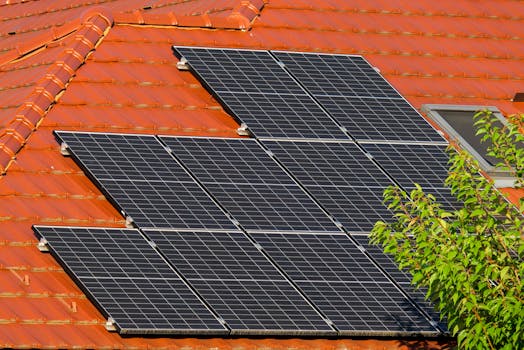
You'd be like a superhero building machines that use natural power. You could design solar panels for roofs, wind turbines to generate electricity, or systems that use the ocean's waves to create clean energy.

Sustainable Agriculture Advisor

This is about helping farmers grow yummy food in a way that's kind to the Earth. You'd teach them how to use less water, avoid harmful chemicals, and keep the soil healthy so we can always have fresh fruit and veg.

Build Your Foundations

Excel in Science and Maths

Focus on subjects like Science (especially Biology, Chemistry, and Physics) and Maths at school. These subjects will help you understand environmental processes and analyse data later on.

Understanding how ecosystems work, the chemistry of pollution, and the physics of renewable energy are crucial. Maths will be essential for interpreting data, creating models, and calculating environmental impacts. These subjects build a strong foundation for a scientific and analytical career path.

Explore Environmental Topics

Read books, watch documentaries, and follow news about climate change, renewable energy, conservation, and recycling. The more you know, the better!

Join school clubs like an eco-club or a science club if available. Start your own project like a school recycling initiative or a garden. Visiting local nature reserves, museums with environmental exhibits, or even researching online about different environmental issues will deepen your interest and knowledge.

Develop Research Skills

Practice finding reliable information, summarising what you learn, and presenting your findings clearly. These skills are super important for an analyst.

When working on school projects, try to use various sources beyond just Wikipedia, such as academic journals (if accessible), reputable news outlets, and government environmental reports. Practice writing clear reports or making presentations to explain complex ideas simply. This will help you articulate your findings as a Sustainability Analyst.

Gain Experience & Knowledge

Study Relevant Subjects at College

Consider A-levels or BTECs in subjects like Environmental Science, Geography, Maths, or a pure science like Biology or Chemistry. These choices will prepare you for university.

Look into colleges that offer a wide range of science and environmental programmes. Some BTEC qualifications can also be very practical and good preparation for university. Speaking to your teachers or a career advisor about the best subject combinations for a career in sustainability is a good idea.

Volunteer or Join Groups

Look for opportunities to volunteer with local environmental charities, conservation groups, or community projects. It's a great way to see sustainability in action.

Volunteering helps you gain practical experience and shows your commitment. You could help with beach clean-ups, tree planting, or even assisting at a local wildlife centre. These experiences not only look good on your CV but also help you meet people who work in the environmental field.

Learn Data Skills

Start to learn how to use spreadsheet programmes like Microsoft Excel. Sustainability Analysts often work with lots of data, so being good with numbers is key.

There are many free online tutorials and courses for Excel. Even simple tasks like creating charts, sorting data, and using basic formulas can be a great start. This skill is highly valued because you will need to collect, organise, and analyse environmental data in a structured way.

Launch Your Career

Pursue a University Degree

Study for a degree in a relevant field like Environmental Science, Sustainability, Geography, Environmental Management, or a related scientific or engineering discipline.

Many UK universities offer excellent courses in sustainability. Look for degrees that include modules on data analysis, environmental policy, corporate social responsibility, and renewable technologies. Some universities offer sandwich courses that include a year in industry, which is fantastic for gaining professional experience.

Seek Internships

During or after university, try to get an internship at a company that focuses on sustainability, an environmental consultancy, or a large organisation with a dedicated sustainability team.

Internships are invaluable for getting real-world experience and making contacts in the industry. They allow you to apply what you've learned and understand the day-to-day work of a Sustainability Analyst. Websites like Gradcracker, TARGETjobs, and university career services often list these opportunities.

Apply for Entry-Level Roles

Look for jobs titled 'Junior Sustainability Analyst', 'ESG Analyst Assistant', 'Environmental Consultant (Entry-Level)', or similar roles to start your professional journey.

When applying, highlight your academic achievements, any relevant projects, volunteer work, and your passion for sustainability. Tailor your CV and cover letter to each job description, showing how your skills match what they are looking for. Networking with professionals in the field can also open doors to opportunities.

🎬 Useful Videos

🎯 View Apprenticeships

Explore relevant apprenticeships that can help you kickstart your career in Sustainability Analyst. Apprenticeships offer hands-on experience and training while earning a wage.

Career Progressions

This page showcases various career options and the pathways to reach them. Each career listed here shares transferable skills and knowledge, making it easier for individuals to transition between them.

Your current career is highlighted to help you see how it fits into the broader landscape of potential career choices. By clicking on any career, you can learn more about it, including the training and education required to pursue it.

Remember, progressing in your career often involves further learning and training. This page provides insights into future career options as well as those that can lead up to your current one.

These career progression decisions are informed by comparing the skills and knowledge needed for different occupations, along with data on how people move between them. Explore the possibilities and discover the exciting journey ahead in your career!

Sample Qualifications

A Sustainability Analyst's primary role is to assess and improve an organisation's environmental and social impact, directly aligning with the duties of a Corporate Responsibility and Sustainability Practitioner.

How to become

You can get into this job through:

  • a university course
  • a college course
  • an apprenticeship

University

You could do a degree or postgraduate qualification that includes units on corporate responsibility and sustainability, for example:

  • environment and sustainability
  • energy and engineering
  • transport and logistics
  • economics
  • community development
  • business management

Entry requirements

You'll usually need:

  • 2 to 3 A levels, or equivalent, for a degree
  • a degree in any subject for a postgraduate course

More Information

College

You could take a course in environmental sustainability or business management.

This may help you get some of the knowledge and skills you need to apply for trainee or apprenticeship roles.

Entry requirements

Entry requirements for these courses vary.

More Information

Apprenticeship

You could begin by doing a:

  • Corporate Responsibility and Sustainability Practitioner Level 4 Higher Apprenticeship
  • Sustainability Business Specialist Level 7 Degree Apprenticeship

These apprenticeships can take between 2 and 3 years to complete.

Entry requirements

You'll usually need:

  • 4 or 5 GCSEs at grades 9 to 4 (A* to C) and A levels, or equivalent, for a higher or degree apprenticeship

More Information

Volunteering

An understanding of the role of sustainability is highly valued by employers and you may have an advantage if you have experience of fundraising, working with volunteers or volunteering yourself.

You can find opportunities through the National Council for Voluntary Organisations and Do IT.

More Information

Professional and industry bodies

You could join the Institute of Sustainability and Environmental Professionals (ISEP) or Institute of Corporate Responsibility and Sustainability (ICRS) to:

  • gain professional recognition
  • find training opportunities
  • make industry contacts

Further information

You can discover more about sustainability work and training through the Green Careers Hub.

Interested in More Career Paths?

Explore other careers or use our AI to discover personalised paths based on your interests.

Stay connected

Join our newsletter to stay up to date on features and releases

Address
Developing Experts Limited
Exchange Street Buildings
35-37 Exchange Street
Norwich
NR2 1DP
UK

Phone
01603 273515

Email
[email protected]

Copyright 2026 Developing Experts, All rights reserved.