




Creating Career Path...

Finding Further Careers...

Roofer

View this career for different education levels:

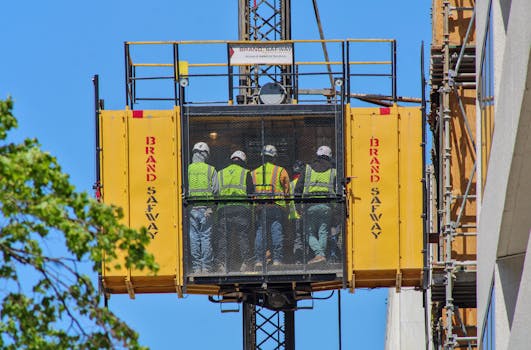
Being a roofer is an important job where you work outdoors to build and repair the tops of buildings, known as roofs. Your main task is to make sure that buildings are safe and dry by installing different types of roofing materials like tiles, slates, or felt. This job often involves working at heights, using tools, and making sure everything is measured and fitted correctly so that the roof can withstand all sorts of weather, from rain and wind to sunshine. You might be working on new houses, repairing old ones, or even working on big commercial buildings. Roofers need to be careful and safety-conscious because of the heights involved. You also need to be fit and strong, as the job involves lifting heavy materials and being on your feet for most of the day. It is a very practical job, perfect for someone who enjoys hands-on work and seeing a finished product. You could work for a large building company, a smaller local roofing business, or even become self-employed once you have enough experience.

Roofer

Flag Media

Please select a reason for flagging this content.

📊 Statistics

Average Salary

In the UK, a roofer can expect to earn an average salary ranging from around 25,000 to 35,000 pounds per year. Experienced roofers or those with specialist skills can earn more.

Entry Level Salary

For someone just starting out as an apprentice or trainee roofer, the salary might be closer to 18,000 to 22,000 pounds per year, increasing as they gain experience and qualifications.

Number of Positions

The construction industry in the UK is always looking for skilled tradespeople. There are thousands of roofers across the UK, with a consistent demand for new workers to join the trade, especially as older roofers retire.

🚀 Careers in this path

Flag Media

Please select a reason for flagging this content.

Thatcher

A Thatcher builds and repairs traditional roofs using natural materials like straw or reeds. It's a very skilled job that involves working outdoors and being creative with your hands.

Flag Media

Please select a reason for flagging this content.

Felt Roofer

A Felt Roofer specialises in putting down felt on flat roofs, often for extensions or garages. This involves using heat to seal the felt and make sure the roof is waterproof.

Flag Media

Please select a reason for flagging this content.

Roofing Surveyor

A Roofing Surveyor inspects roofs to find out what's wrong with them and decides what work needs doing. They need to know a lot about different roof types and materials, and are great at problem-solving.

Exploring the World of Roofing

Learn What Roofers Do

Understand the different tasks and responsibilities of a roofer to see if it sparks your interest.

Roofers do much more than just put tiles on a roof! They also remove old roofs, fix leaks, install insulation, work with different materials like slate, tiles, felt, and even metal. They need to understand safety rules, how to measure accurately, and how to work as part of a team. Researching what a typical day might look like for a roofer can help you decide if it's a good fit.

Talk to People in the Trade

If you know any builders or roofers, ask them about their job and what they enjoy.

Speaking to someone who works as a roofer can give you a real insight into the job that you won't find in books. Ask them about how they got into the job, what challenges they face, what they love about it, and what advice they'd give to someone starting out. You might even be able to ask if you could visit a safe construction site with your parents' permission to see some work being done from a distance.

Develop Practical Skills

Start building practical skills at home, like helping with DIY projects or fixing things.

Roofing is a very practical job, so anything that helps you get used to using tools and working with your hands will be really helpful. This could be helping your family with gardening, building flat-pack furniture, or even joining clubs like a school technology club where you get to build things. Learning how to be careful, follow instructions, and solve practical problems are all excellent starting points.

Building Foundational Knowledge

Focus on Relevant School Subjects

Pay attention in subjects like Maths and Design & Technology, as they're useful for roofing.

Maths is important for measuring roofs, calculating angles, and ordering the correct amount of materials. Design & Technology can help you understand how things are built and how different materials work together. Physics can also be useful for understanding forces and how structures are supported. These subjects will give you a good grounding for the technical aspects of roofing.

Consider a Construction-related Course

Look into vocational courses or BTECs in construction after Year 11.

After your GCSEs, you could explore further education options like a BTEC in Construction and the Built Environment, or a similar Level 2 or 3 course. These courses introduce you to different aspects of construction, including health and safety, building techniques, and various trades. They can be a great stepping stone towards an apprenticeship and give you valuable industry knowledge before you even start working.

Gain Work Experience (if possible)

Seek out opportunities for work experience in construction or related trades.

Even if it's just for a week, work experience with a local builder, roofer, or even a general construction company can be incredibly valuable. You'll get to see how a professional workplace operates, learn about health and safety on site, and observe roofers in action. It shows initiative and can help you make connections that might lead to an apprenticeship later on.

Getting Qualified as a Roofer

Secure an Apprenticeship

The most common and best way to become a qualified roofer is through an apprenticeship.

A roofing apprenticeship allows you to learn on the job from experienced roofers while also attending college or a training centre part-time. You'll gain practical skills, learn about different roofing materials (like slate, tile, felt, and single ply), and get a formal qualification like an NVQ Level 2 or 3 in Roofing. You'll also earn a wage while you learn. Look for apprenticeships advertised by local roofing companies, construction firms, or through government apprenticeship websites.

Achieve Relevant Qualifications

Work towards and gain your NVQ in Roofing during your apprenticeship.

The NVQ (National Vocational Qualification) in Roofing is a recognised qualification that proves you have the skills and knowledge needed to work as a roofer. During your apprenticeship, your work will be assessed, and you'll complete coursework at college. Successfully completing your NVQ will formally recognise your competence and make you a more desirable employee.

Obtain a CSCS Card

Get a Construction Skills Certification Scheme (CSCS) card to work on most building sites.

A CSCS card is essential for most construction sites in the UK. It proves that you have the necessary training and qualifications for the type of work you do, and that you have passed a health, safety, and environment test. There are different types of cards, and as a new roofer, you would typically start with an 'Apprentice' card and then move to a 'Skilled Worker' card once qualified. You'll need to pass a specific test and have your NVQ or other qualification to get the card.

🎬 Useful Videos

🎯 View Apprenticeships

Explore relevant apprenticeships that can help you kickstart your career in Roofer. Apprenticeships offer hands-on experience and training while earning a wage.

Career Progressions

This page showcases various career options and the pathways to reach them. Each career listed here shares transferable skills and knowledge, making it easier for individuals to transition between them.

Your current career is highlighted to help you see how it fits into the broader landscape of potential career choices. By clicking on any career, you can learn more about it, including the training and education required to pursue it.

Remember, progressing in your career often involves further learning and training. This page provides insights into future career options as well as those that can lead up to your current one.

These career progression decisions are informed by comparing the skills and knowledge needed for different occupations, along with data on how people move between them. Explore the possibilities and discover the exciting journey ahead in your career!

Sample Qualifications

How to become

You can get into this job through:

  • a college course
  • an apprenticeship
  • working towards this role

College

You can take a college course which will teach you some of the skills you'll need to get a trainee position with a roofing company. 

You could do a course in roof slating and tiling or roof sheeting and cladding.

Entry requirements

Entry requirements for these courses vary.

More Information

Apprenticeship

You could do a Roofer Level 2 Intermediate Apprenticeship.

This can take up to 2 years to complete. You'll do on-the-job training and spend time with a college or training provider.

Entry requirements

You'll usually need:

  • some GCSEs, usually including English and maths, or equivalent, for an intermediate apprenticeship

More Information

Work

You could work as a roofing labourer or 'mate' and do further training while you work to get a roofing qualification.

More Information

Registration

Further information

You can find out more about becoming a roofer from Go Construct and House Building Careers.

Interested in More Career Paths?

Explore other careers or use our AI to discover personalised paths based on your interests.

Stay connected

Join our newsletter to stay up to date on features and releases

Address
Developing Experts Limited
Exchange Street Buildings
35-37 Exchange Street
Norwich
NR2 1DP
UK

Phone
01603 273515

Email
[email protected]

Copyright 2026 Developing Experts, All rights reserved.