





Creating Career Path...

Finding Further Careers...

Retrofit Assessor

View this career for different education levels:

A Retrofit Assessor is like a detective for homes, but instead of solving mysteries, they figure out how to make houses much more energy efficient and environmentally friendly. Their main job is to visit homes, usually older ones, and carry out a detailed inspection to see where heat is being lost and how energy is being wasted. They look at everything from the walls and roof to the windows and heating system. After their visit, they write a special report called an 'Occupancy Assessment' and 'Energy Report'. This report explains exactly what changes need to be made to the house, like adding better insulation, installing double-glazing, or fitting a more efficient boiler, to make it warmer, cheaper to run, and better for the planet. This career is really important for the UK's goal of reaching 'Net Zero' which means not adding any more greenhouse gases to the atmosphere. Retrofit Assessors help homeowners understand how they can improve their homes to save energy and money, and reduce their carbon footprint. They need to be good at observing details, understanding building science, and communicating their findings clearly. You'd be helping people make their homes healthier and more comfortable, while also doing your bit to protect the environment.

Retrofit Assessor

Flag Media

Please select a reason for flagging this content.

📊 Statistics

Average Starting Salary

A starting salary for a Retrofit Assessor in the UK can be around 25,000 to 30,000 pounds per year, though this can vary with experience and location.

Experienced Salary Range

With more experience, a Retrofit Assessor can earn between 35,000 and 45,000 pounds annually, and even more in senior roles or with specialist skills.

Job Growth

The demand for Retrofit Assessors is expected to grow significantly in the UK as the country aims to reduce carbon emissions from homes. Government targets mean millions of homes need energy upgrades, creating many new job opportunities.

🚀 Careers in this path

Flag Media

Please select a reason for flagging this content.

Energy Advisor

Imagine helping people understand how their homes use energy and giving them tips to save it, like making sure their windows are good or their heating is working efficiently. You would help families make their homes cosier and cheaper to run.

Flag Media

Please select a reason for flagging this content.

Building Sustainability Technician

This is like being a detective for buildings, looking for ways to make them super energy-efficient and friendly to the planet. You might check what materials are used, how much sun a building gets, or how to keep it warm in winter without wasting energy.

Flag Media

Please select a reason for flagging this content.

Renewable Energy Installer Assistant

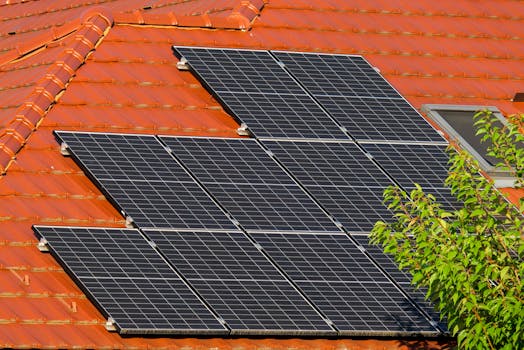
You could help fit things like solar panels on roofs or small wind turbines, which make clean electricity from natural power. It's hands-on work helping to build the future of energy in homes and businesses.

Build Your Foundations

Ace Your School Subjects

Focus on subjects like Maths, Science (especially Physics!), Design & Technology, and Geography. These will give you a great understanding of how buildings work, energy, and environmental issues.

Maths will help with calculations and measurements, while Science will explain heat transfer and energy principles. Design & Technology can give you practical insights into building materials and structures. Geography is useful for understanding environmental impacts and sustainability.

Explore Local Projects

Look for local community projects related to energy saving or environmental improvements. You might be able to volunteer or simply learn more about what's happening in your area.

Volunteering can give you a practical insight into the challenges and solutions in making homes more energy-efficient. Even attending local workshops or events on sustainability can be really informative and help you meet people in the field.

Research Retrofit

Start learning about what 'retrofit' means. Look up terms like 'insulation', 'heat pumps', 'double glazing', and 'energy performance certificates' (EPCs).

Understanding these terms now will make future learning much easier. You can find lots of information online, on government websites, and even in documentaries about sustainable living. The more you know, the better prepared you'll be!

Gain Knowledge & Skills

Consider Further Education

After your GCSEs, you could study A-Levels in subjects like Maths, Physics, Environmental Science, or a BTEC in Construction and the Built Environment. These pathways prepare you for university or specialist training.

A-Levels provide a strong academic foundation, especially for university degrees. A BTEC is more vocational and hands-on, giving you practical skills directly relevant to the construction industry. Both are excellent routes, so choose the one that suits your learning style best.

Look into a Degree or Apprenticeship

You could go to university to study a degree in Building Surveying, Sustainable Construction, or Environmental Science. Alternatively, a Level 3 or 4 apprenticeship in a related field could be a great hands-on way to learn.

A university degree provides in-depth theoretical knowledge and often includes practical projects. An apprenticeship combines working for a company with studying, meaning you earn a wage while gaining qualifications and real-world experience. For a Retrofit Assessor role, a specialist qualification like a Level 3 or 4 Diploma in Domestic Energy Assessment is often required later on.

Get Retrofit Assessor Training

To become a qualified Retrofit Assessor, you'll need to complete a specific qualification, such as a Level 5 Diploma in Retrofit Assessment. This course teaches you everything you need to know about assessing homes for energy improvements.

This is a key step! The qualification will cover building physics, risk assessment, carrying out surveys, and creating detailed reports. You'll learn about different retrofit measures and how to recommend the best ones for each home. Organisations like Elmhurst Energy and Quidos offer these accredited courses in the UK.

Start Your Career

Register with an Accreditation Scheme

Once qualified, you'll need to register with an approved accreditation scheme (like Elmhurst Energy or Stroma). This allows you to practice legally and ensures your work meets industry standards.

Being part of an accreditation scheme means your work is quality-checked, and you're kept up-to-date with the latest regulations and best practices. It's a crucial step for gaining trust with clients and working professionally in the industry.

Gain Work Experience

Look for entry-level Retrofit Assessor jobs, or roles with energy efficiency consultancies or housing associations. This is where you'll put your training into practice and learn from experienced assessors.

Your first job will be invaluable for developing your practical skills, like conducting site surveys, using assessment software, and communicating with homeowners. Don't be afraid to ask questions and learn as much as you can from your colleagues.

Keep Learning and Developing

The world of energy efficiency is always changing! Stay up-to-date with new technologies, regulations, and best practices by attending workshops, reading industry journals, and taking advanced courses.

Continuous professional development (CPD) is important in this field. You might specialise in certain types of buildings, advanced modelling techniques, or become an expert in specific retrofit measures. This helps you become a highly sought-after expert in the field.

🎬 Useful Videos

🎯 View Apprenticeships

Explore relevant apprenticeships that can help you kickstart your career in Retrofit Assessor. Apprenticeships offer hands-on experience and training while earning a wage.

Career Progressions

This page showcases various career options and the pathways to reach them. Each career listed here shares transferable skills and knowledge, making it easier for individuals to transition between them.

Your current career is highlighted to help you see how it fits into the broader landscape of potential career choices. By clicking on any career, you can learn more about it, including the training and education required to pursue it.

Remember, progressing in your career often involves further learning and training. This page provides insights into future career options as well as those that can lead up to your current one.

These career progression decisions are informed by comparing the skills and knowledge needed for different occupations, along with data on how people move between them. Explore the possibilities and discover the exciting journey ahead in your career!

Sample Qualifications

A Retrofit Assessor primarily evaluates existing homes for energy efficiency improvements, which aligns closely with the duties of a Domestic Energy Assessor who assesses the energy performance of residential properties.

How to become

You can get into this job through a specialist course run by private training organisations.

Other Routes

To become a domestic energy assessor (DEA) you'll need to:

  • do a Level 3 Certificate in Domestic Energy Assessment
  • become a member of an approved accreditation scheme

If you have experience in a related field like property surveying or construction, you might not have to do as much training.

Once you've got the certificate and are registered on a scheme, your details will be available on the register of accredited domestic energy assessors.


Interested in More Career Paths?

Explore other careers or use our AI to discover personalised paths based on your interests.

Stay connected

Join our newsletter to stay up to date on features and releases

Address
Developing Experts Limited
Exchange Street Buildings
35-37 Exchange Street
Norwich
NR2 1DP
UK

Phone
01603 273515

Email
[email protected]

Copyright 2026 Developing Experts, All rights reserved.