


Creating Career Path...

Finding Further Careers...

Building Inspector

View this career for different education levels:

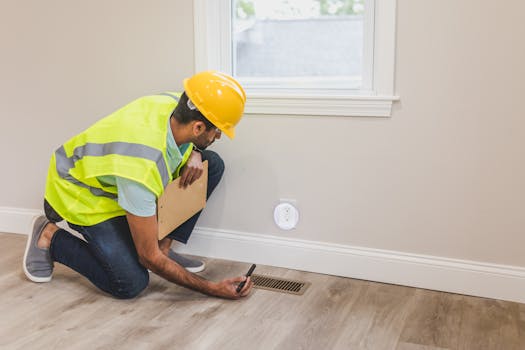
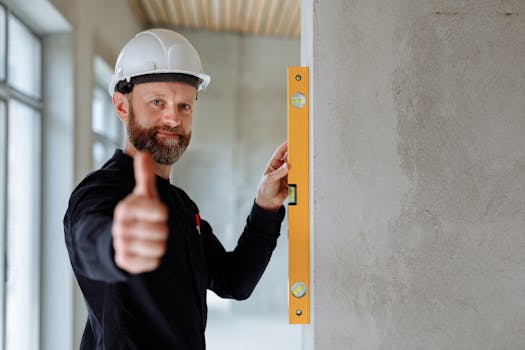
Imagine a super detective for buildings! That is a bit like what a Building Inspector does. Their main job is to make sure that new buildings, and changes to old ones, are built really safely and correctly. They check everything from the foundations deep in the ground to the roof at the very top. They make sure the builders are following all the important rules and regulations to keep everyone safe and make sure buildings are strong and good. They will visit building sites often, look at plans, and talk to builders and architects. They are there to make sure buildings are good places to live, work, or play in the UK. Building Inspectors are very important people because they help to make sure our homes, schools, and shops are built to a very high standard. They look for things like good strong walls, safe electrics, and plumbing that works properly. If something is not quite right, they will tell the builders what needs to be changed to make it perfect. They need to know a lot about how buildings are put together and what makes them safe and strong. They also need to be good at talking to people and explaining things clearly.

Building Inspector

Flag Media

Please select a reason for flagging this content.

📊 Statistics

Salary for Building Inspectors

A Building Inspector in the UK might earn between 25,000 and 55,000 a year. This depends on how much experience they have and where they work. Someone just starting might earn less, while someone with lots of experience could earn more.

Number of Jobs

There are thousands of Building Inspector jobs across the UK, both with local councils and private companies. It's a steady job because new buildings are always being built and old ones need checking.

Weekly Working Hours

Most Building Inspectors work about 37 to 40 hours a week. Sometimes they might need to visit building sites early or late, but it is usually a regular daytime job.

🚀 Careers in this path

Flag Media

Please select a reason for flagging this content.

House Safety Checker

Imagine you visit new houses to make sure they are safe and strong for people to live in. You check that the windows are secure, the stairs are not wobbly, and everything is built properly so it's a happy and safe home.

Flag Media

Please select a reason for flagging this content.

Playground Safety Officer

Your job is super important you get to visit playgrounds and make sure all the swings, slides, and climbing frames are safe and fun to use. You check for any broken bits or things that could make someone trip, making sure everyone can play happily.

Flag Media

Please select a reason for flagging this content.

Bridge Builder Helper

You work with engineers to make sure new bridges are built really strong and safe for cars and people to cross. You might help check the materials and make sure everything is put together perfectly, so the bridge stands tall for many years.

Learning About Buildings

Be Curious About Buildings

Start by looking at buildings around you and wondering how they are made. Ask questions about different parts of houses or shops.

When you walk past a building, try to notice its different parts: the roof, the windows, the walls. Think about what they are made of. You could ask your parents or teachers about how houses are built or why some buildings look different from others. This helps you start thinking like a Building Inspector.

Enjoy Science and Maths

Learning about science helps you understand how things work and why certain materials are strong. Maths helps you measure and understand shapes.

In school, paying attention in lessons like science (learning about materials and how they react) and maths (learning about measurements and shapes) is very useful. These subjects teach you important skills that a Building Inspector uses every day to understand building plans and check if things are the right size and strength.

Visit Construction Sites (Safely!)

If you see a new building being built, ask an adult to help you watch safely from a distance. You can see big machines and how people work together.

Always make sure you are with a grown-up and staying far away from the actual construction work, as it can be dangerous. But watching from a safe spot can show you how buildings start from the ground up and how different parts come together. You might see cranes, diggers, and builders wearing hard hats, all working to create something new.

Growing Your Knowledge

Study Hard in Secondary School

When you're a bit older, focus on subjects like Design and Technology, Physics, and Maths. These will teach you even more about building and how things work.

In secondary school (which is what we call high school in the UK), choosing subjects that help you understand structures and materials is key. Design and Technology can show you how to design and build things, while Physics teaches you about forces and how materials behave. Maths helps with calculations for building strength and sizes.

Learn About Building Rules

Every building needs to follow special rules to be safe. You can start by learning about simple safety rules at home or in school.

Just like there are rules for playing games fairly, there are rules for building safely. These are called 'building regulations' or 'building codes'. A Building Inspector needs to know all these rules inside out. Even now, you can think about why we have rules like 'don't run with scissors' or 'always wear a helmet when cycling' – they are all about safety, just like building rules!

Think About Apprenticeships or College

After school, you could go to college to learn a building trade or do an apprenticeship to learn on the job while studying.

There are different paths to becoming a Building Inspector. You could go to a college or university to study a course like 'Building Surveying' or 'Construction Management'. Another great way is an apprenticeship, where you work for a company and learn practical skills from experienced people, usually while also going to college part-time. This helps you get hands-on experience.

Becoming a Building Inspector

Get a Special Qualification

To be a real Building Inspector, you usually need a special degree or qualification from a university or college that teaches you all about building safety and rules.

Most Building Inspectors in the UK have a degree in a subject like building surveying, construction, or civil engineering. This qualification shows that you have learned all the important things needed for the job, like understanding complex building plans, knowing all the safety rules, and how to check if a building is strong enough.

Learn from Experienced Inspectors

When you start your first job, you'll work with experienced inspectors who will teach you even more practical things on building sites.

It's like having a mentor! When you get your first job as a trainee or assistant Building Inspector, you won't be expected to know everything. Experienced inspectors will guide you, showing you how to do inspections, what to look for, and how to write reports. This hands-on learning is super important for becoming really good at the job.

Keep Learning New Things

The world of building is always changing, so Building Inspectors always need to learn about new materials, technologies, and safety rules.

Even after you become a qualified Building Inspector, the learning never stops! New building materials are invented, new ways of constructing buildings come along, and safety rules sometimes get updated. Building Inspectors need to attend special courses and workshops to keep their knowledge up to date, making sure they are always ready to inspect the newest and safest buildings.

🎬 Useful Videos

🎯 View Apprenticeships

Explore relevant apprenticeships that can help you kickstart your career in Building Inspector. Apprenticeships offer hands-on experience and training while earning a wage.

Career Progressions

This page showcases various career options and the pathways to reach them. Each career listed here shares transferable skills and knowledge, making it easier for individuals to transition between them.

Your current career is highlighted to help you see how it fits into the broader landscape of potential career choices. By clicking on any career, you can learn more about it, including the training and education required to pursue it.

Remember, progressing in your career often involves further learning and training. This page provides insights into future career options as well as those that can lead up to your current one.

These career progression decisions are informed by comparing the skills and knowledge needed for different occupations, along with data on how people move between them. Explore the possibilities and discover the exciting journey ahead in your career!

Sample Qualifications

A Building Inspector's primary role is to ensure compliance with building regulations, which is the core responsibility of a Building Control Officer in the UK. Both roles involve inspecting construction work and enforcing standards related to safety, accessibility, and energy efficiency.

How to become

You can get into this job through:

  • a university course
  • a college course
  • an apprenticeship
  • applying directly

University

You can do a higher national diploma, foundation degree or degree in a subject like:

  • building studies
  • civil engineering
  • structural engineering
  • building control surveying
  • building surveying

Entry requirements

You'll usually need:

  • 5 GCSEs at grades 9 to 4 (A* to C), or equivalent, including English, maths and science
  • 1 or 2 A levels, or equivalent, for a foundation degree or higher national diploma
  • 2 to 3 A levels, or equivalent, for a degree

More Information

College

You could do a college course, which may help when you apply for trainee jobs as an assistant in building control. 

Courses include:

  • construction and the built environment
  • building control surveying
  • T Level in Design, Surveying and Planning for Construction

Entry requirements

Entry requirements for these courses vary.

  • 4 or 5 GCSEs at grades 9 to 4 (A* to C), or equivalent, including English and maths for a T Level

More Information

Apprenticeship

You can apply to do a Building Control Surveyor Level 6 Degree Apprenticeship.

This can take around 4 years to complete and combines on-the-job training with off-site study.

Entry requirements

You'll usually need:

  • 4 or 5 GCSEs at grades 9 to 4 (A* to C) and A levels, or equivalent, for a degree apprenticeship

More Information

Direct Application

You may be able to move into building control if you have qualifications and extensive experience in a related area, such as construction management, structural or civil engineering, or surveying.

More Information

Registration

Professional and industry bodies

You could join a professional body to help with your career development. These include:

Membership of a professional body may also be a requirement laid down by employers when advertising jobs.

Further information

You can find out more about a career in building control from:

Interested in More Career Paths?

Explore other careers or use our AI to discover personalised paths based on your interests.

Stay connected

Join our newsletter to stay up to date on features and releases

Address
Developing Experts Limited
Exchange Street Buildings
35-37 Exchange Street
Norwich
NR2 1DP
UK

Phone
01603 273515

Email
[email protected]

Copyright 2026 Developing Experts, All rights reserved.