Creating Career Path...

Finding Further Careers...

Energy Systems Data Analyst

View this career for different education levels:

An Energy Systems Data Analyst is like a detective for electricity, gas, and other energy sources. They look at huge amounts of data from power stations, wind farms, solar panels, and even people's homes to understand how energy is used and generated. They use special computer tools to find patterns, predict how much energy will be needed in the future, and spot problems or ways to make things more efficient. For example, they might analyse data to see why a particular wind farm isn't producing as much electricity as expected, or to help design smarter ways to store energy. Their work is super important for making sure we have enough power and for helping the UK reach its goals of using cleaner energy. This role involves a lot of problem-solving and using maths and computer skills. You would spend your time collecting data, cleaning it up to make sure it's accurate, and then using analytical tools and sometimes programming languages like Python or R to explore it. You would then present your findings clearly to others, helping engineers, managers, and policymakers make important decisions about our energy future. It's a key job in making sure our homes stay warm, our lights stay on, and we're kind to our planet by using energy wisely.

Energy Systems Data Analyst

Flag Media

Please select a reason for flagging this content.

📊 Statistics

Average Starting Salary

For someone just starting out as an Energy Systems Data Analyst in the UK, you could expect to earn between 25,000 to 35,000 pounds per year. As you gain more experience, this can go up quite a lot!

Experienced Salary Range

With a few years of experience, a skilled Energy Systems Data Analyst in the UK might earn between 40,000 to 60,000 pounds per year, and even more for very senior roles.

Job Market Growth

The demand for data analysts in the energy sector in the UK is growing steadily. This is because the UK is working hard to use more renewable energy and become greener, which means lots of data needs to be understood.

🚀 Careers in this path

Flag Media

Please select a reason for flagging this content.

Smart Meter Engineer

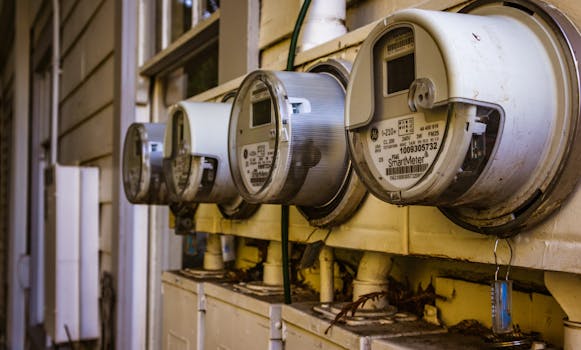
You could help people understand their energy use better by installing and maintaining smart meters in homes and businesses. This involves working with technology to show how much electricity or gas is being used.

Flag Media

Please select a reason for flagging this content.

Renewable Energy Technician

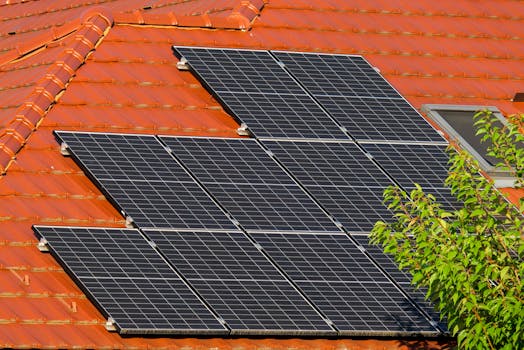
You could work on wind turbines, solar panels, or other green energy sources. Your job would be to help install, fix, and maintain these systems so they keep making clean energy.

Flag Media

Please select a reason for flagging this content.

Energy Efficiency Advisor

You could help families and businesses save money and energy by giving them advice on how to make their homes or buildings more energy efficient, like suggesting better insulation or heating systems.

Build Your Foundations

Ace Your School Subjects

Focus on Maths, Science (especially Physics), and Computing at school. These subjects will give you the core skills you need.

Maths is super important for understanding data and patterns. Science, particularly Physics, will help you grasp how energy works. Computing will teach you how to use computers to process and analyse information. Aim for good grades in these subjects to open up more options later on.

Explore Energy & Tech Hobbies

Get curious about energy and technology outside of school. Build something, research, or join a club!

You could try coding simple projects, building a small robot, or researching renewable energy technologies like solar panels or wind turbines. Look for science clubs, coding clubs, or even join online communities interested in data or energy. This helps you discover what you enjoy and build practical skills.

Learn Basic Coding Skills

Start learning how to code using easy-to-understand languages like Python. There are lots of free online resources!

Python is a fantastic language for beginners and is widely used in data analysis. Websites like Codecademy, freeCodeCamp, or even YouTube tutorials can teach you the basics. Learning to code will help you tell computers what to do with data and create tools to analyse it.

Further Your Education

Choose A-Levels or Equivalent

After your GCSEs, pick A-Level subjects like Maths, Physics, Computer Science, or further Maths. These will prepare you for university.

These A-Level choices are highly valued for degrees related to data analysis and energy. Maths is almost essential, and Computer Science will deepen your coding and logical thinking. Physics gives you a strong understanding of energy principles. Look into vocational courses if a more practical approach suits you, as some can lead to apprenticeships or university.

Consider A University Degree

Study a degree in a relevant field like Data Science, Computer Science, Engineering (Electrical/Energy), or Maths.

A university degree provides a deep dive into the theoretical and practical aspects of data analysis and energy systems. Look for courses that include modules on statistics, programming, machine learning, and energy technologies. Some universities offer specific 'Energy Systems Engineering' or 'Data Science for Energy' degrees. Attend open days to see what's on offer.

Explore Apprenticeships

Look into degree apprenticeships in data analysis or energy management, where you learn on the job and get a qualification.

Degree apprenticeships allow you to work for a company, earn a salary, and gain a university degree at the same time. This is a great option if you prefer hands-on learning and want to start your career sooner. Search for 'data analyst apprenticeship' or 'energy apprenticeship' on government or company careers websites.

Gain Practical Experience

Undertake Internships or Work Experience

Seek out opportunities to get real-world experience at energy companies or tech firms during your studies.

Many companies offer summer internships or placements for students. This is an excellent way to apply what you've learned, understand how the industry works, and make connections. Even a short period of work experience can be a huge boost to your CV and help you figure out if this career is right for you.

Build a Portfolio of Projects

Create your own data analysis projects using publicly available energy data. This shows off your skills!

Find datasets online about energy consumption, renewable energy generation, or climate data. Use your coding skills to analyse this data, find interesting insights, and present your findings. You can share these projects on platforms like GitHub or create a simple website to showcase your work to potential employers.

Network and Stay Updated

Connect with people in the energy and data fields, attend online webinars, and keep learning about new technologies.

Join professional groups online (like LinkedIn), attend virtual industry events, or listen to podcasts about energy and data. The technology and energy sectors are always changing, so staying curious and learning new skills is crucial for a long and successful career. Networking can also open doors to job opportunities you might not find elsewhere.

🎬 Useful Videos

🎯 View Apprenticeships

Explore relevant apprenticeships that can help you kickstart your career in Energy Systems Data Analyst. Apprenticeships offer hands-on experience and training while earning a wage.

Career Progressions

This page showcases various career options and the pathways to reach them. Each career listed here shares transferable skills and knowledge, making it easier for individuals to transition between them.

Your current career is highlighted to help you see how it fits into the broader landscape of potential career choices. By clicking on any career, you can learn more about it, including the training and education required to pursue it.

Remember, progressing in your career often involves further learning and training. This page provides insights into future career options as well as those that can lead up to your current one.

These career progression decisions are informed by comparing the skills and knowledge needed for different occupations, along with data on how people move between them. Explore the possibilities and discover the exciting journey ahead in your career!

Sample Qualifications

An Energy Systems Data Analyst would typically be involved in collecting, processing, and performing advanced statistical analysis on complex energy data to identify trends, build predictive models, and provide insights, which aligns closely with the responsibilities of a Data Scientist rather than a general Data Analyst or Systems Analyst.

How to become

You can get into this job through:

  • a university course
  • an apprenticeship
  • applying directly
  • a Civil Service training programme

University

You can begin your career in data science by studying for a relevant degree or postgraduate qualification, such as:

  • maths
  • statistics
  • data science
  • computer science
  • operational research

Subjects that include a lot of statistics, like physics, engineering or psychology may also be useful.

Graduates of other subjects can do a postgraduate master's conversion course to get into AI and data science.

Funding is also available to encourage people from under-represented groups to come into the profession.

Doing an internship or industry work placement as part of your course can give you an advantage when looking for jobs.

Entry requirements

You'll usually need:

  • 2 to 3 A levels, or equivalent, for a degree

More Information

Apprenticeship

You may be able to get into this job through an apprenticeship, for example:

  • Data Engineer Level 5 Higher Apprenticeship
  • Data Scientist Level 6 Degree Apprenticeship
  • Digital and Technology Solutions Specialist Level 7 Degree Apprenticeship
  • Artificial Intelligence (AI) Data Specialist Level 7 Professional Apprenticeship

These can take between 2 and 3 years to complete.

Entry requirements

You'll usually need:

  • 4 or 5 GCSEs at grades 9 to 4 (A* to C) and A levels, or equivalent, for a higher or degree apprenticeship

More Information

Direct Application

You could apply directly to companies and organisations if you have the right skills and experience from working with data. You may be able to find roles with:

  • the NHS
  • financial and professional services firms
  • IT companies
  • retail and sales organisations
  • government departments

Other Routes

You could register for a place on the Civil Service Fast Stream scheme to work in data. You'll need a degree, postgraduate award or have completed a degree apprenticeship to apply.

More Information

Career tips

Look out for intensive training courses in computing and data science.

It could also be useful to build up your knowledge of coding, analysis and data manipulation software, like:

  • R
  • SQL
  • Python
  • Power BI
  • Excel

Professional and industry bodies

You could join the Institute of Analytics (IoA) or The Royal Statistical Society for training and development opportunities, and to make contacts in the industry.

Further information

You can find out more about a career as a data scientist from The Royal Statistical Society and The Chartered Institute for IT.

Interested in More Career Paths?

Explore other careers or use our AI to discover personalised paths based on your interests.

Stay connected

Join our newsletter to stay up to date on features and releases

Address
Developing Experts Limited
Exchange Street Buildings
35-37 Exchange Street
Norwich
NR2 1DP
UK

Phone
01603 273515

Email
[email protected]

Copyright 2026 Developing Experts, All rights reserved.