
Creating Career Path...

Finding Further Careers...

Energy Systems Data Analyst

View this career for different education levels:

Imagine a world where all our homes, schools, and hospitals get the electricity they need, exactly when they need it, and it comes from clean, green sources like the wind and sun. An Energy Systems Data Analyst is like a detective who helps make this happen! They look at lots and lots of numbers and information, called data, about how we use energy and where it comes from. They use special computer tools to understand patterns, like when people use the most electricity or when the windiest days are. This helps big energy companies make smart decisions about how to make sure everyone has enough power and how to use less energy from fossil fuels, which are not so good for our planet. So, what does an Energy Systems Data Analyst actually do each day They spend time looking at charts, graphs, and big spreadsheets full of numbers. They might help design new ways to save energy, figure out if a new wind farm is working as well as it should, or even predict how much electricity everyone will need next week. They help us understand how to make our energy system in the UK more efficient, more reliable, and much greener. It is a very important job for helping to look after our planet and make sure we all have electricity!

Energy Systems Data Analyst

Flag Media

Please select a reason for flagging this content.

📊 Statistics

Starting Salary

For someone just starting out as an Energy Systems Data Analyst in the UK, they might earn around 25,000 to 35,000 pounds a year. This is like getting paid to help make our energy better!

Experienced Salary

If you become really good at this job and have lots of experience, you could earn much more, maybe between 40,000 and 70,000 pounds a year, or even higher for very senior roles. That's a lot of money to help power our homes!

Job Openings

There are hundreds of jobs for data analysts in the energy sector across the UK each year, and this number is growing as we try to use more clean energy. Many jobs can be found in big cities or near energy companies.

🚀 Careers in this path

Flag Media

Please select a reason for flagging this content.

Wind Turbine Spotter

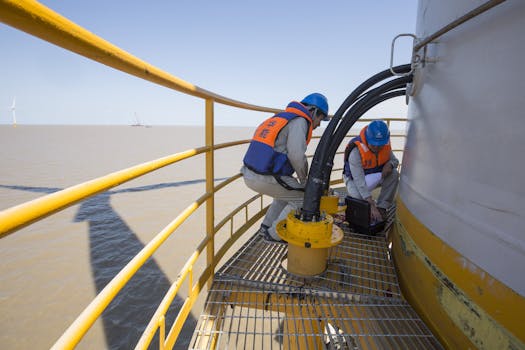
Imagine you're a detective for wind turbines! You'd look at maps and pictures to find the best places for new windmills, making sure they're not too close to houses and can catch lots of wind to make clean electricity.

Flag Media

Please select a reason for flagging this content.

Solar Panel Helper

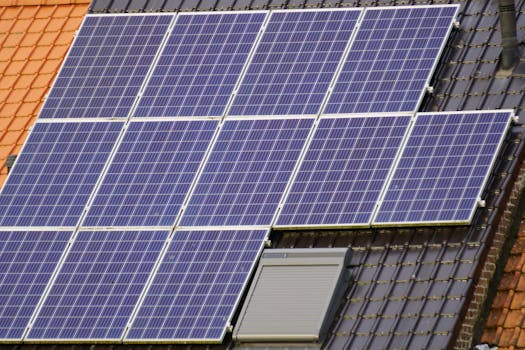
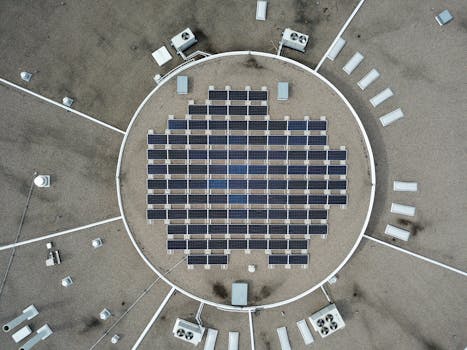
You'd be like a sunshine tracker! Your job would be to help decide where to put solar panels on roofs or in big fields so they can catch the most sun. This helps homes and schools get power from the sun.

Flag Media

Please select a reason for flagging this content.

Energy Saving Storyteller

You'd be a super storyteller who helps people understand how to save energy. You could make fun drawings or tell simple stories about turning off lights, closing doors to keep warm, or using less hot water. You'd teach everyone how to be energy heroes!

Learning About Energy

Explore How Energy Works

Start by learning about different types of energy, like sunshine, wind, and electricity. Find out where our electricity comes from and how it gets to our homes.

You can watch simple videos about solar panels and wind turbines, or read children's books that explain how power stations work. Look around your home and try to spot things that use electricity, like lights or the television. Ask grown-ups how they save energy at home.

Understand Numbers and Charts

Data analysts love numbers and charts! Practise counting, adding, and subtracting. Try to understand what different charts, like bar graphs or pie charts, are showing.

You could draw your own charts about your favourite colours or how many sunny days there are in a week. Play games that involve counting or solving simple number puzzles. Understanding how to read numbers and see patterns is a super important skill for this job.

Learn About Saving Energy

Discover fun ways to save energy at home and school. This helps you understand why it's important to be smart about how we use energy.

Turn off lights when you leave a room, unplug chargers when they are not in use, and try to spend less time on screens. Talk to your family about what they do to save energy. Every little bit helps the planet and makes you a better energy detective!

Developing Tech Skills

Play With Computers Safely

Get comfortable using a computer or tablet. Learn how to open programs, save files, and browse the internet with a grown-up's help.

You could play educational games that help you learn to type or use a mouse. Ask a grown-up to show you how to find information online about your favourite animals or places. Being good at using computers is key for any data job.

Try Simple Coding Games

Coding is like giving instructions to a computer. There are lots of fun games that teach you basic coding without even realising it!

Websites like Scratch Jr. or Code.org have games where you can drag and drop blocks to make characters move or tell stories. This teaches you how to think logically, which is super useful for working with data later on.

Explore Digital Tools

Learn about simple digital tools, like how to make a list or organise information on a computer. This helps you start thinking about how to handle lots of data.

You could use a simple drawing program to create pictures, or a basic word processor to type out a story. Ask a grown-up to show you how to sort files into folders on their computer. These skills will help you to organise the 'clues' when you're an Energy Systems Data Analyst.

Thinking Like a Detective

Ask 'Why?' Questions

When you see something happening, like why the streetlights come on at night, try to ask 'why?' and think about the answers.

For example, why does it get darker earlier in winter? Or why do some houses have solar panels? Asking 'why' helps you understand how things work and makes you a great problem-solver, just like an Energy Systems Data Analyst.

Spot Patterns and Differences

Look for things that are the same or different. For example, notice if it's windier on some days than others, or if your electricity bill changes each month.

You could keep a simple 'weather diary' and note down if it's sunny, cloudy, or windy each day. Or help a grown-up sort laundry by colour or type. Seeing patterns helps you make sense of lots of information.

Solve Puzzles and Brainteasers

Playing games that make you think, like jigsaw puzzles or logic games, helps train your brain to solve problems, which is what data analysts do all the time!

Board games, riddles, and simple STEM challenges are fantastic for this. They teach you to think step-by-step and figure things out. An Energy Systems Data Analyst is always solving puzzles with numbers to make energy better.

🎬 Useful Videos

🎯 View Apprenticeships

Explore relevant apprenticeships that can help you kickstart your career in Energy Systems Data Analyst. Apprenticeships offer hands-on experience and training while earning a wage.

Career Progressions

This page showcases various career options and the pathways to reach them. Each career listed here shares transferable skills and knowledge, making it easier for individuals to transition between them.

Your current career is highlighted to help you see how it fits into the broader landscape of potential career choices. By clicking on any career, you can learn more about it, including the training and education required to pursue it.

Remember, progressing in your career often involves further learning and training. This page provides insights into future career options as well as those that can lead up to your current one.

These career progression decisions are informed by comparing the skills and knowledge needed for different occupations, along with data on how people move between them. Explore the possibilities and discover the exciting journey ahead in your career!

Sample Qualifications

An Energy Systems Data Analyst typically works with complex energy-related datasets, often employing advanced analytical techniques, statistical modelling, and potentially machine learning to extract insights and predict trends. This aligns more closely with the responsibilities of a Data Scientist, who handles larger, more complex datasets and goes beyond basic reporting to develop predictive models, compared to a standard Data Analyst or Business Analyst. While 'Data analyst-statistician' is close, 'Data scientist' better encapsulates the potential for advanced modelling and system-level understanding implied by 'Energy Systems'.

How to become

You can get into this job through:

  • a university course
  • an apprenticeship
  • applying directly
  • a Civil Service training programme

University

You can begin your career in data science by studying for a relevant degree or postgraduate qualification, such as:

  • maths
  • statistics
  • data science
  • computer science
  • operational research

Subjects that include a lot of statistics, like physics, engineering or psychology may also be useful.

Graduates of other subjects can do a postgraduate master's conversion course to get into AI and data science.

Funding is also available to encourage people from under-represented groups to come into the profession.

Doing an internship or industry work placement as part of your course can give you an advantage when looking for jobs.

Entry requirements

You'll usually need:

  • 2 to 3 A levels, or equivalent, for a degree

More Information

Apprenticeship

You may be able to get into this job through an apprenticeship, for example:

  • Data Engineer Level 5 Higher Apprenticeship
  • Data Scientist Level 6 Degree Apprenticeship
  • Digital and Technology Solutions Specialist Level 7 Degree Apprenticeship
  • Artificial Intelligence (AI) Data Specialist Level 7 Professional Apprenticeship

These can take between 2 and 3 years to complete.

Entry requirements

You'll usually need:

  • 4 or 5 GCSEs at grades 9 to 4 (A* to C) and A levels, or equivalent, for a higher or degree apprenticeship

More Information

Direct Application

You could apply directly to companies and organisations if you have the right skills and experience from working with data. You may be able to find roles with:

  • the NHS
  • financial and professional services firms
  • IT companies
  • retail and sales organisations
  • government departments

Other Routes

You could register for a place on the Civil Service Fast Stream scheme to work in data. You'll need a degree, postgraduate award or have completed a degree apprenticeship to apply.

More Information

Career tips

Look out for intensive training courses in computing and data science.

It could also be useful to build up your knowledge of coding, analysis and data manipulation software, like:

  • R
  • SQL
  • Python
  • Power BI
  • Excel

Professional and industry bodies

You could join the Institute of Analytics (IoA) or The Royal Statistical Society for training and development opportunities, and to make contacts in the industry.

Further information

You can find out more about a career as a data scientist from The Royal Statistical Society and The Chartered Institute for IT.

Interested in More Career Paths?

Explore other careers or use our AI to discover personalised paths based on your interests.

Stay connected

Join our newsletter to stay up to date on features and releases

Address
Developing Experts Limited
Exchange Street Buildings
35-37 Exchange Street
Norwich
NR2 1DP
UK

Phone
01603 273515

Email
[email protected]

Copyright 2026 Developing Experts, All rights reserved.