
Creating Career Path...

Finding Further Careers...

Environmental Monitoring Officer

View this career for different education levels:

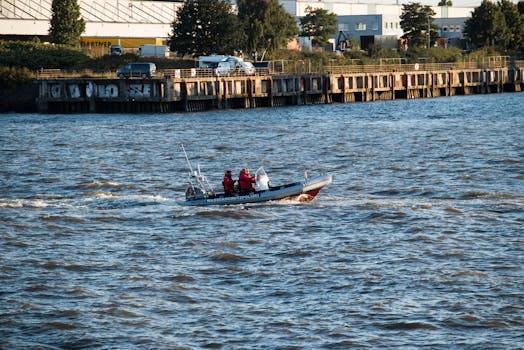
An Environmental Monitoring Officer is like a detective for the planet, especially in the UK! Their main job is to check and measure how healthy our environment is. This means going out into the field to collect samples of water from rivers, air from different locations, or soil from various sites. They use special equipment to test these samples for pollution or other changes that might be happening. For example, they might look for chemicals in a river to make sure it's safe for fish and people, or monitor air quality near factories to ensure it meets safety standards. They also keep detailed records of their findings and often write reports about what they discover. This career involves a mix of outdoor work and time in a laboratory. One day you might be out in the countryside, wearing waterproofs and wellies, taking readings or samples. The next, you could be back in an office or lab, analysing data, running tests, or writing up your results. It's a really important job because the information they gather helps local councils, government agencies, and companies make decisions to protect our environment, improve public health, and ensure that new buildings or projects dont harm nature. You need to be curious, good at science, and enjoy working both independently and as part of a team.

Environmental Monitoring Officer

Flag Media

Please select a reason for flagging this content.

📊 Statistics

Average Starting Salary

Starting salaries for Environmental Monitoring Officers in the UK can typically range from about 20,000 to 25,000 pounds per year.

Experienced Salary

With more experience, an Environmental Monitoring Officer can expect to earn between 28,000 and 40,000 pounds annually. Senior roles might even go higher.

Job Growth Outlook

The demand for environmental professionals, including monitoring officers, is expected to grow steadily in the UK as environmental protection becomes even more important. This suggests a good future for jobs in this area.

🚀 Careers in this path

Flag Media

Please select a reason for flagging this content.

River Warden

Imagine being a detective for rivers, making sure they are clean and healthy for all the fish and other wildlife. You would check the water, look for pollution, and help protect the river ecosystem.

Recycling Centre Assistant

You could work at a recycling centre, helping people sort their rubbish so it can be made into new things. You would learn all about different materials and how they can be reused, helping to look after our planet.

Wildlife Conservation Assistant

This job is all about helping animals and their habitats. You might help plant trees, build homes for birds, or clear up litter in nature reserves, making sure wildlife has a safe and healthy place to live.

Build Your Foundation

Learn About Nature

Start by exploring the world around you! Learn about different plants, animals, rivers, and local environmental issues.

This step involves being curious about your surroundings. You could visit local parks, nature reserves, or even just your garden. Read books about ecology, watch documentaries about wildlife, and try to identify different species of plants and animals you encounter. Understanding basic ecosystems will be a great start.

Excel in Science

Focus on your science subjects at school, especially biology, chemistry, and geography, as these are super important for this job.

Doing well in these subjects will give you a strong academic foundation. Pay close attention in classes, ask questions, and try to understand the 'why' behind scientific processes. Practical experiments in science are also very valuable, as they help you learn how to observe and record data, which is key for an Environmental Monitoring Officer.

Join Green Clubs

Get involved in environmental clubs or groups at school or in your local community. This is a great way to meet like-minded people.

Joining clubs like an eco-committee, gardening club, or a local conservation group will give you practical experience. You might participate in litter picks, tree planting, or learn about recycling. These activities not only help the environment but also build your teamwork and problem-solving skills.

Gain Experience & Education

Consider Further Education

After school, think about going to university to study subjects like Environmental Science, Biology, or Geography.

Many Environmental Monitoring Officer roles require a degree. Look into courses that offer fieldwork and practical lab work, as these will directly prepare you for the job. Universities like Cranfield, Sheffield, and Plymouth have excellent environmental science programmes. If university isn't for you, there are also Higher National Diplomas (HNDs) and apprenticeships available in related fields.

Volunteer or Intern

Try to volunteer or get an internship with organisations that work to protect the environment.

Organisations such as the National Trust, RSPB, or local wildlife trusts often look for volunteers. This experience is invaluable for understanding how environmental monitoring works in practice, getting hands-on with equipment, and networking with professionals. It also looks great on your CV when applying for jobs.

Develop Practical Skills

Learn skills like how to use GPS, take good notes, and maybe even get a first aid certificate.

Environmental monitoring often involves working outdoors in different conditions. Knowing how to navigate using GPS, accurately record data, and basic first aid are practical skills that will make you a more attractive candidate. Some roles might also require you to have a driving licence, so start thinking about that when you're old enough.

Start Your Career

Apply for Entry-Level Jobs

Look for jobs like 'Trainee Environmental Monitoring Officer' or 'Field Assistant' with organisations like the Environment Agency or local councils.

These entry-level positions are designed to help you learn on the job. You'll gain experience in collecting samples, using monitoring equipment, and reporting findings. Keep an eye on job boards like the Civil Service Jobs website or environmental job sites. Be prepared to show your passion for the environment and your willingness to learn.

Join Professional Networks

Connect with other environmental professionals. This can help you learn about new opportunities and get advice.

Joining professional bodies like the Institute of Environmental Management & Assessment (IEMA) or the Chartered Institute of Ecology and Environmental Management (CIEEM) can provide access to networking events, training, and job listings. Attending conferences or webinars is also a great way to stay updated and make connections.

Keep Learning

The environment is always changing, so keep learning about new techniques and environmental issues.

Once you're in the role, continued professional development is important. This could involve taking short courses in specific monitoring techniques, learning about new environmental legislation, or specialising in an area like water quality or biodiversity. Staying curious and updated will help you grow in your career.

🎬 Useful Videos

🎯 View Apprenticeships

Explore relevant apprenticeships that can help you kickstart your career in Environmental Monitoring Officer. Apprenticeships offer hands-on experience and training while earning a wage.

Career Progressions

This page showcases various career options and the pathways to reach them. Each career listed here shares transferable skills and knowledge, making it easier for individuals to transition between them.

Your current career is highlighted to help you see how it fits into the broader landscape of potential career choices. By clicking on any career, you can learn more about it, including the training and education required to pursue it.

Remember, progressing in your career often involves further learning and training. This page provides insights into future career options as well as those that can lead up to your current one.

These career progression decisions are informed by comparing the skills and knowledge needed for different occupations, along with data on how people move between them. Explore the possibilities and discover the exciting journey ahead in your career!

Sample Qualifications

An Environmental Monitoring Officer is primarily involved in monitoring environmental conditions and ensuring compliance with regulations, which aligns closely with the duties of an Environmental Health Practitioner who investigates and manages public health risks related to the environment.

How to become

You can get into this job through:

  • a university course
  • an apprenticeship
  • working towards this role

University

You can study for a degree qualification approved by the Chartered Institute of Environmental Health.

If you already have a degree in a related subject, you could get into environmental health through an accredited postgraduate course.

Entry requirements

You'll usually need:

  • 2 to 3 A levels, or equivalent, for a degree
  • a degree in any subject for a postgraduate course

More Information

Apprenticeship

You can apply to do an Environmental Health Practitioner Level 6 Degree Apprenticeship.

This usually takes 4 years to complete and combines on-the-job training with academic study at an approved university.

Entry requirements

You'll usually need:

  • 4 or 5 GCSEs at grades 9 to 4 (A* to C) and A levels, or equivalent, for a degree apprenticeship

More Information

Work

You may be able to start as an environmental health technician and study for a part-time environmental health degree while you're working.

More Information

Professional and industry bodies

You could join the Chartered Institute of Environmental Health for professional development opportunities.

Further information

You can find more about how to become an environmental health practitioner from the Chartered Institute of Environmental Health.

Interested in More Career Paths?

Explore other careers or use our AI to discover personalised paths based on your interests.

Stay connected

Join our newsletter to stay up to date on features and releases

Address
Developing Experts Limited
Exchange Street Buildings
35-37 Exchange Street
Norwich
NR2 1DP
UK

Phone
01603 273515

Email
[email protected]

Copyright 2026 Developing Experts, All rights reserved.