





Creating Career Path...

Finding Further Careers...

Scaffolder

View this career for different education levels:

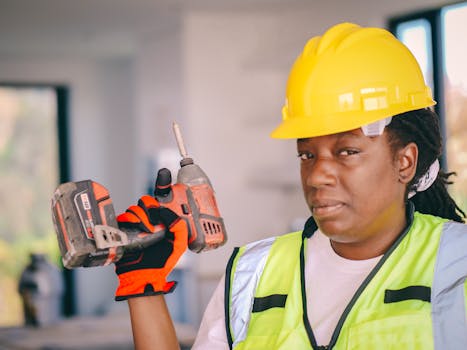
A scaffolder builds temporary metal structures, called scaffolding, around buildings and other constructions. This scaffolding provides a safe platform for other workers, like builders, painters, and roofers, to work at heights. It's a really important job because it ensures everyone else on the site can do their work safely and efficiently. Scaffolders need to be very skilled and careful, as they work outdoors in all sorts of weather and often high up. They have to understand detailed plans and make sure the scaffolding is strong and stable enough to hold people and materials. To become a scaffolder, you usually start as a labourer or trainee and work your way up, learning on the job and getting special qualifications like the CISRS (Construction Industry Scaffolders Record Scheme) card. This card shows you're trained and competent. It's a physical job that requires you to be fit and not afraid of heights, but it's also very rewarding as you play a crucial role in almost every big construction project you see.

Scaffolder

Flag Media

Please select a reason for flagging this content.

📊 Statistics

Average Salary

In the UK, a scaffolder can expect to earn an average salary of around 35,000 to 45,000 pounds per year. This can go up to 50,000 pounds or more for very experienced scaffolders or those in supervisory roles.

Starting Salary

For a trainee or newly qualified scaffolder, starting salaries are typically between 20,000 and 25,000 pounds per year, especially as they gain more experience and qualifications like their CISRS card.

Job Outlook

The construction industry in the UK consistently needs skilled scaffolders, meaning there are usually good opportunities for employment. Many scaffolders work on contracts for different construction projects, offering variety in their work.

🚀 Careers in this path

Flag Media

Please select a reason for flagging this content.

Access Platform Operator

Imagine driving a special cherry picker that lifts people up high, but safely, to reach tall buildings or high places for work. You'd make sure everyone is safe and secure while they are up in the air.

Flag Media

Please select a reason for flagging this content.

Construction Site Safety Assistant

You'd be like a detective for safety on a building site, making sure everyone is wearing their hard hats and safety gear. You'd help check that everything is in the right place and safe for people to work.

Flag Media

Please select a reason for flagging this content.

Construction Apprentice

This is where you learn lots of different skills on a building site, like how to help build things, maybe even learn about scaffolding. You get to work alongside experienced people and learn by doing.

Build Your Foundations

Excel in School Subjects

Focus on subjects like Maths and Design & Technology as they teach you important skills for scaffolding.

Maths will help you with measurements, calculations, and understanding angles, which are crucial when building safe structures. Design & Technology can give you practical experience with tools and understanding how things are put together, which is a great start for a hands-on career like scaffolding.

Stay Active and Fit

Being a scaffolder is a physical job, so it's good to be strong and have good stamina.

Playing sports or doing regular exercise will help you build strength, endurance, and agility. These are all important qualities for carrying heavy equipment, climbing, and working outdoors in different weather conditions. A good level of fitness will also help prevent injuries on the job.

Learn About Safety

Safety is super important in construction, especially when working at heights. Start learning about it now.

You can learn about basic safety principles by looking up information online or by asking adults who work in trades. Understanding why safety rules exist and how to follow them will prepare you for the strict safety requirements on a building site. This will include wearing protective gear and understanding risks.

Gain Essential Skills

Consider a College Course

Look for construction-related courses at a local college that can give you a head start.

Some colleges offer BTEC qualifications or NVQs in Construction or related subjects. These courses can teach you about different building methods, health and safety, and even practical skills that are useful for scaffolding. It's a great way to show future employers that you're serious about a career in construction.

Get Work Experience

Try to find some work experience on a construction site, even if it's just helping out with basic tasks.

Work experience is incredibly valuable. It helps you see what a real construction site is like, meet people who work there, and understand the daily routines. You might be able to shadow a scaffolder or help with tidying up, which will give you a feel for the environment and the importance of teamwork and discipline.

Obtain a CSCS Card

You'll need a CSCS card to work on most construction sites in the UK.

The CSCS (Construction Skills Certification Scheme) card proves that you have the basic health, safety, and environmental awareness needed to work safely on construction sites. You'll need to pass a test to get one. There are different types of cards, and a 'Green Labourer Card' is often the first step for someone starting in construction.

Start Your Career

Find an Apprenticeship

The best way to become a qualified scaffolder is through an apprenticeship.

Scaffolding apprenticeships usually last for a couple of years and combine on-the-job training with classroom learning. You'll work alongside experienced scaffolders, learning all the practical skills, while also studying towards qualifications like an NVQ Level 2 in Access and Rigging. You'll earn a wage while you learn, which is a big bonus!

Complete CISRS Training

As part of your apprenticeship, you'll work towards gaining CISRS qualifications.

CISRS (Construction Industry Scaffolders Record Scheme) is the industry-recognised training scheme for scaffolders. You'll progress through different levels, starting with things like CISRS Trainee Scaffolder and eventually moving on to Scaffolder and Advanced Scaffolder. These certifications are essential for professional development and allow you to take on more complex scaffolding projects.

Continue Learning and Developing

Even after you're qualified, there's always more to learn in scaffolding.

The construction industry is always changing, with new techniques and equipment. You can undertake further CISRS training for specialist areas like system scaffolding or advanced rigging. This ongoing learning helps you stay skilled, safe, and can open doors to higher-paying roles, such as supervisory positions or becoming a scaffolding inspector.

🎬 Useful Videos

🎯 View Apprenticeships

Explore relevant apprenticeships that can help you kickstart your career in Scaffolder. Apprenticeships offer hands-on experience and training while earning a wage.

Career Progressions

This page showcases various career options and the pathways to reach them. Each career listed here shares transferable skills and knowledge, making it easier for individuals to transition between them.

Your current career is highlighted to help you see how it fits into the broader landscape of potential career choices. By clicking on any career, you can learn more about it, including the training and education required to pursue it.

Remember, progressing in your career often involves further learning and training. This page provides insights into future career options as well as those that can lead up to your current one.

These career progression decisions are informed by comparing the skills and knowledge needed for different occupations, along with data on how people move between them. Explore the possibilities and discover the exciting journey ahead in your career!

Sample Qualifications

How to become

You can get into this job through:

  • a college course
  • an apprenticeship
  • working towards this role
  • a pre-employment training scheme

College

You could take a college course to learn some of the skills you need to get a trainee or apprenticeship position with a scaffolding or construction company.

Courses include:

  • construction operations
  • scaffolding
  • T Level in Onsite Construction

Entry requirements

Entry requirements for these courses vary.

More Information

Apprenticeship

You could apply to do a Scaffolder Level 2 Intermediate Apprenticeship.

This can take up to 2 years to complete. You'll do on-the-job training and spend some time with a training provider off-site.

Entry requirements

You'll usually need:

  • some GCSEs, usually including English and maths, or equivalent, for an intermediate apprenticeship

More Information

Work

You can join a company as a trainee scaffolder or scaffolding labourer, and do qualifications on the job.

Employers will look for a good general standard of education. GCSEs in maths, English, science and design and technology can be helpful, though not always essential.

Good communication skills, co-ordination, timekeeping and safety awareness will also be useful.

Other Routes

You may be able to do a skills boot camp training course in scaffolding or construction. This would give you some of the skills needed to apply for a trainee scaffolder or scaffolder's labourer position with a construction company.

More Information

Registration

Further information

You can find out more about becoming a scaffolder from Go Construct and the National Access and Scaffolding Confederation.

Interested in More Career Paths?

Explore other careers or use our AI to discover personalised paths based on your interests.

Stay connected

Join our newsletter to stay up to date on features and releases

Address
Developing Experts Limited
Exchange Street Buildings
35-37 Exchange Street
Norwich
NR2 1DP
UK

Phone
01603 273515

Email
[email protected]

Copyright 2026 Developing Experts, All rights reserved.