



Creating Career Path...

Finding Further Careers...

Paediatrician

View this career for different education levels:

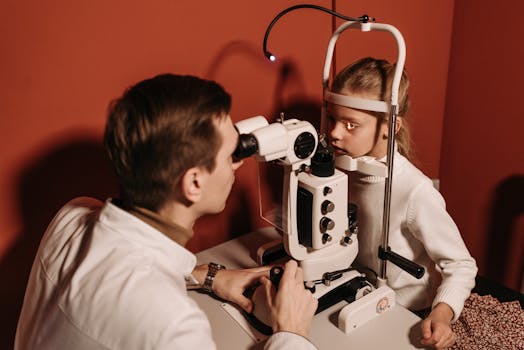
A Paediatrician is a medical doctor who specialises in the health and medical care of infants, children, and adolescents from birth up to the age of 18. This vital role involves diagnosing and treating a wide range of conditions, from common childhood illnesses and infections to more complex and chronic diseases. They work closely with children and their families, providing preventative health services, managing acute and long-term conditions, and offering support and guidance on child development and wellbeing. Paediatricians can work in various settings, including hospital wards, outpatient clinics, emergency departments, and community health centres. The specialism demands excellent communication skills, empathy, and the ability to explain complex medical information in an understandable way to both children and their parents or guardians. The career path to becoming a Paediatrician in the UK is long and rigorous. It typically involves completing a five or six-year undergraduate medical degree, followed by a two-year Foundation Programme as a junior doctor. After this, aspiring paediatricians must undertake several years of specialist training in paediatrics, which includes gaining experience in various sub-specialties like neonatal medicine, community child health, and paediatric intensive care. This extensive training ensures that paediatricians are highly skilled and knowledgeable in addressing the unique physiological and psychological needs of children, ensuring they receive the best possible care throughout their development.

Paediatrician

Flag Media

Please select a reason for flagging this content.

📊 Statistics

Starting Salary (Foundation Doctor)

As a doctor in training (Foundation Year 1 or 2) before specialising as a paediatrician, you would typically earn between £32,398 and £37,303 per year.

Consultant Paediatrician Salary

For experienced Consultant Paediatricians in the NHS, the basic salary range is generally from £93,666 to £126,281 per year, with potential for additional pay for on-call duties or clinical excellence awards.

Number of NHS Consultants

In the UK, there are over 5,000 consultant paediatricians working within the NHS, making it a well-established and essential specialism.

🚀 Careers in this path

Flag Media

Please select a reason for flagging this content.

Neonatologist

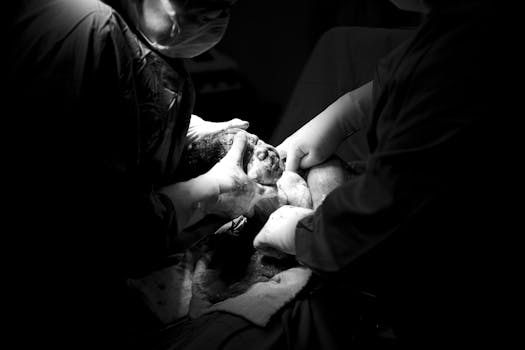
A doctor specialising in the medical care of newborn infants, particularly those who are premature or critically ill. This sub-specialty involves intricate care and often long-term follow-up.

Flag Media

Please select a reason for flagging this content.

Paediatric Oncologist

A doctor who diagnoses and treats cancer in children. This role requires a strong understanding of both oncology and the unique aspects of paediatric care, offering support to families throughout treatment.

Flag Media

Please select a reason for flagging this content.

Community Paediatrician

A doctor who works outside of acute hospital settings, focusing on the health and development of children with chronic conditions, disabilities, or complex needs within the community. This often involves liaising with schools and social services.

Foundation and Undergraduate Studies

Achieve strong GCSEs and A-Levels

To pursue a career in medicine, you'll need to demonstrate a strong academic foundation, particularly in science subjects. Focus on excelling in your GCSEs and then choosing the right A-Levels.

For medicine, you will typically need at least five GCSEs at grade 9-7 (A*-A), including English Language, Mathematics, and Sciences. At A-Level, Chemistry is almost always essential, and most universities also require Biology. Some may also accept Physics or Mathematics. Aim for top grades (AAA or A*AA) as competition is fierce. Consider taking an Extended Project Qualification (EPQ) related to science or healthcare to demonstrate independent research skills.

Gain relevant work experience

Work experience is crucial for demonstrating your commitment to medicine and gaining insight into healthcare environments. It helps you understand the realities of working with patients.

Seek out opportunities for work experience in a healthcare setting, such as hospitals, GP surgeries, hospices, or care homes. Even shadowing a doctor for a day or volunteering can be invaluable. If direct clinical experience is hard to find, consider volunteering in roles that involve interacting with people, especially children, to develop your communication and empathy skills. Document your experiences and reflect on what you learned, as this will be vital for your university application and interviews.

Apply for and study a Medical Degree

The foundational step for any doctor is completing an accredited medical degree, usually a Bachelor of Medicine, Bachelor of Surgery (MBBS or MBChB).

Research different medical schools in the UK, as their entry requirements and teaching styles can vary. You'll need to sit admissions tests like UCAT or BMAT, depending on the university. Prepare thoroughly for these, as well as for the interview process (MMI or traditional panel interviews), which will assess your communication skills, empathy, and understanding of medical ethics. The medical degree typically lasts five or six years, depending on whether it includes an intercalated degree.

Foundation and Core Training

Complete the Foundation Programme

After graduating from medical school, you'll enter the two-year Foundation Programme, which is a mandatory period of supervised practice.

The Foundation Programme (F1 and F2) is where you apply the theoretical knowledge gained in medical school to real-world patient care. You'll rotate through various medical and surgical specialties, gaining broad experience. This programme is crucial for developing your clinical skills, decision-making, and professional behaviours under the guidance of senior doctors. During your F2 year, you'll have more responsibility and will need to start thinking about your chosen specialty.

Undertake Core Paediatric Training

Once you've completed your Foundation Programme, you'll apply for a specialty training programme in Paediatrics.

Core Paediatric Training (ST1-ST3 typically) is highly competitive. You'll need to demonstrate a clear commitment to paediatrics, often through taster weeks, audit projects, and presentations related to child health. During this period, you'll gain foundational knowledge and practical skills in managing a wide range of paediatric conditions, working in various settings such as general paediatric wards, neonatal units, and emergency departments. You'll also begin working towards the Membership of the Royal College of Paediatrics and Child Health (MRCPCH) exams.

Pass MRCPCH Exams

The MRCPCH (Membership of the Royal College of Paediatrics and Child Health) examinations are a series of professional assessments essential for progression in paediatric training.

The MRCPCH consists of four parts: FOP (Foundations of Practice), TAS (Theory and Science), AKI (Applied Knowledge in Practice), and the Clinical Exam. Passing these exams demonstrates your knowledge, clinical reasoning, and communication skills to a high standard, allowing you to progress to higher specialist training. Many trainees dedicate significant time to revision and preparation for these rigorous exams, often using study groups, online resources, and revision courses.

Higher Specialist Training and Consultancy

Complete Higher Specialist Paediatric Training

After achieving MRCPCH, you'll enter Higher Specialist Training (ST4-ST8), focusing on developing advanced skills and potentially a sub-specialty.

This stage of training builds upon your core paediatric knowledge and allows you to delve deeper into specific areas of paediatrics, such as neonatology, paediatric cardiology, oncology, or community child health. You'll gain significant experience in managing complex cases, leading teams, and participating in teaching and research. Towards the end of this period, you'll work towards obtaining your Certificate of Completion of Training (CCT), which allows you to be registered as a consultant.

Apply for Consultant Paediatrician Positions

Once you have your CCT and are on the GMC Specialist Register, you are eligible to apply for consultant roles.

As a Consultant Paediatrician, you'll take on significant responsibility, leading medical teams, managing patient care, supervising junior doctors, and contributing to service development. This is a senior leadership role where you'll make critical decisions about the health of children. You may also engage in teaching medical students and junior doctors, undertaking research, or specialising further within a specific paediatric sub-specialty. Continuing professional development (CPD) is a lifelong commitment for consultants.

Engage in Continuous Professional Development

Medicine is a constantly evolving field, and as a consultant, it's vital to stay updated with the latest research, treatments, and guidelines.

Continuous Professional Development (CPD) involves participating in conferences, workshops, courses, and independent study. This ensures you maintain your skills, knowledge, and fitness to practice, meeting the requirements for revalidation by the General Medical Council (GMC). Many consultants also engage in leadership roles within their department or hospital, contribute to national guidelines, or pursue academic careers alongside their clinical practice.

🎯 View Apprenticeships

Explore relevant apprenticeships that can help you kickstart your career in Paediatrician. Apprenticeships offer hands-on experience and training while earning a wage.

Career Progressions

No career progressions found for Paediatrician

Sample Qualifications

How to become

You can get into this job through a university course or an apprenticeship.

University

To become a paediatrician you'll need to complete:

  • a degree in medicine recognised by the General Medical Council
  • a 2-year foundation programme of general training
  • specialist training which takes a minimum of 8 years

A medical degree normally takes 5 years to complete. Some courses have the option to include an extra year if you want to study a subject further. This is called an intercalated year.

You might be able to study a foundation year before starting a medical degree. This will depend on your circumstances or if you have not studied enough sciences. Check with the admissions department where you want to study.

If you already have a degree, you could take a 4-year graduate entry route into medicine. There’s lots of competition and entry requirements vary, so check with the admissions department where you want to study.

Entry tests

When you apply for a course in medicine, you may be asked to take the University Clinical Aptitude Test (UCAT).

It tests the skills you'll need on the course, like critical thinking, problem solving, data analysis, communication and scientific knowledge.

Work experience

Medical schools will also expect you to have some relevant paid or voluntary work experience. The British Medical Association provides information on how to find a placement.

Entry requirements

You'll usually need:

  • at least 5 GCSEs grades 9 to 7 (A* or A), including English maths and sciences
  • 3 A levels, or equivalent, including biology and chemistry

More Information

Apprenticeship

You might be able to do a doctor degree apprenticeship which will take around 5 years to complete.

The apprenticeship is recognised by the General Medical Council.

You could then progress to the foundation course of general training before completing the specialist training.

Entry requirements

Employers will set their own entry requirements.

More Information

Volunteering

You can gain valuable caring skills from volunteering in education, health, charity or social care settings. You could:

More Information

Registration

Career tips

The General Medical Council has a guide on what it means to be a good doctor. You might find this useful when preparing for medical school interviews.

You can use online resources to find out more about the types of interviews you can expect to get into for medical school.

Professional and industry bodies

You could join the Royal College of Paediatrics and Child Health and the British Medical Association for professional development and training opportunities.

Further information

You can find out more about careers in paediatrics from the Royal College of Paediatrics and Child Health and Health Careers.

Interested in More Career Paths?

Explore other careers or use our AI to discover personalised paths based on your interests.

Stay connected

Join our newsletter to stay up to date on features and releases

Address
Developing Experts Limited
Exchange Street Buildings
35-37 Exchange Street
Norwich
NR2 1DP
UK

Phone
01603 273515

Email
[email protected]

Copyright 2026 Developing Experts, All rights reserved.